 Image 1 of 4
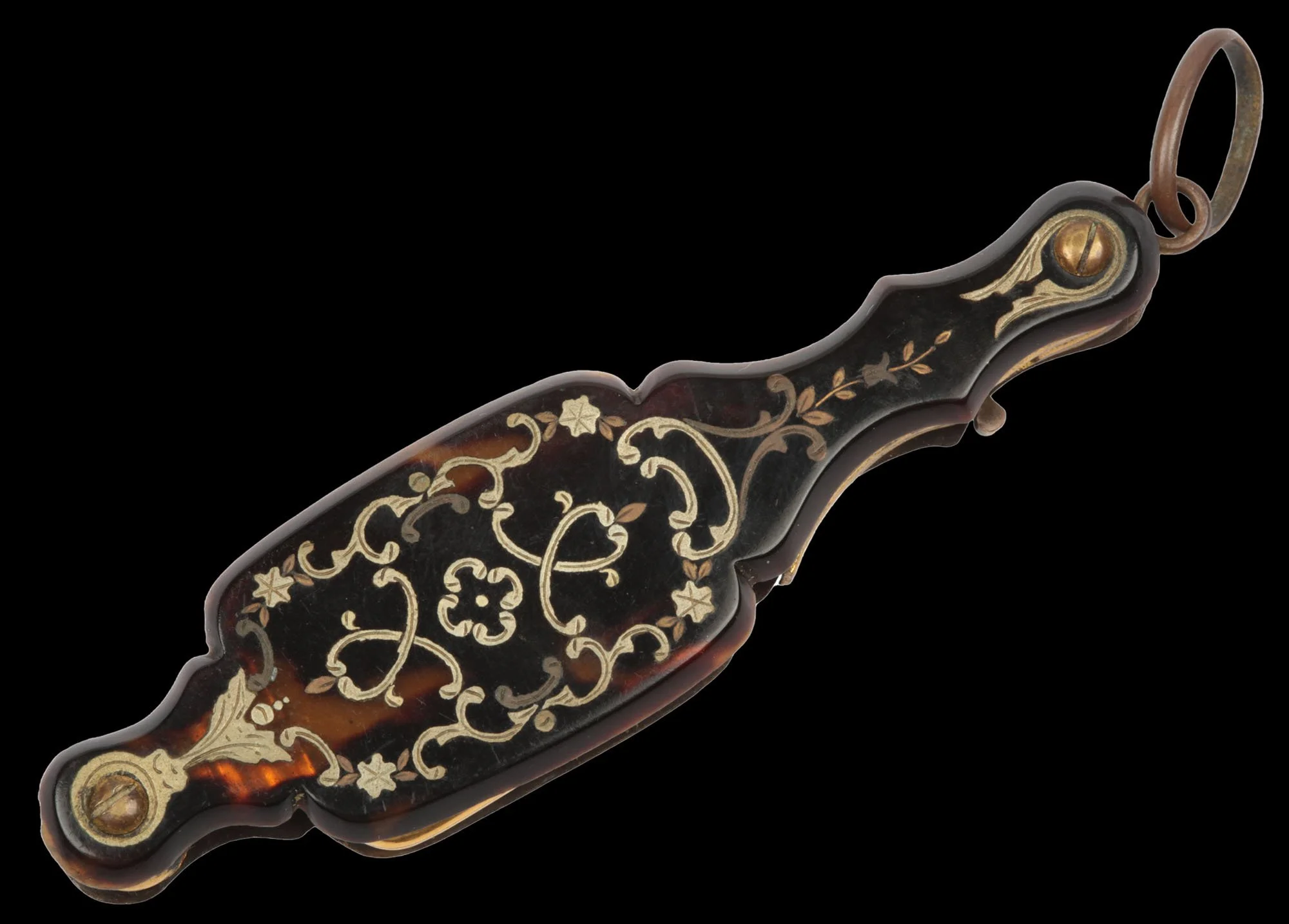 Image 2 of 4
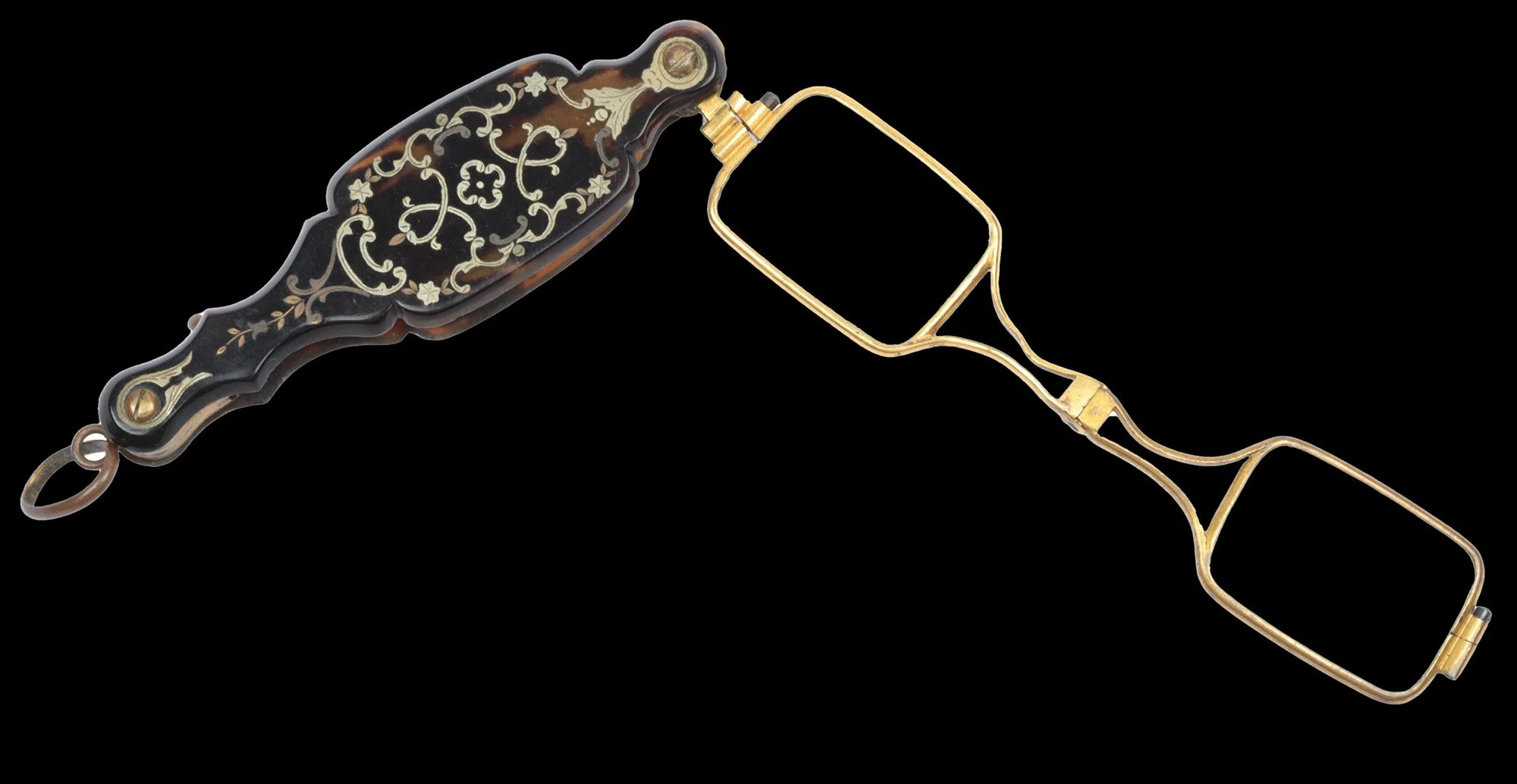 Image 3 of 4
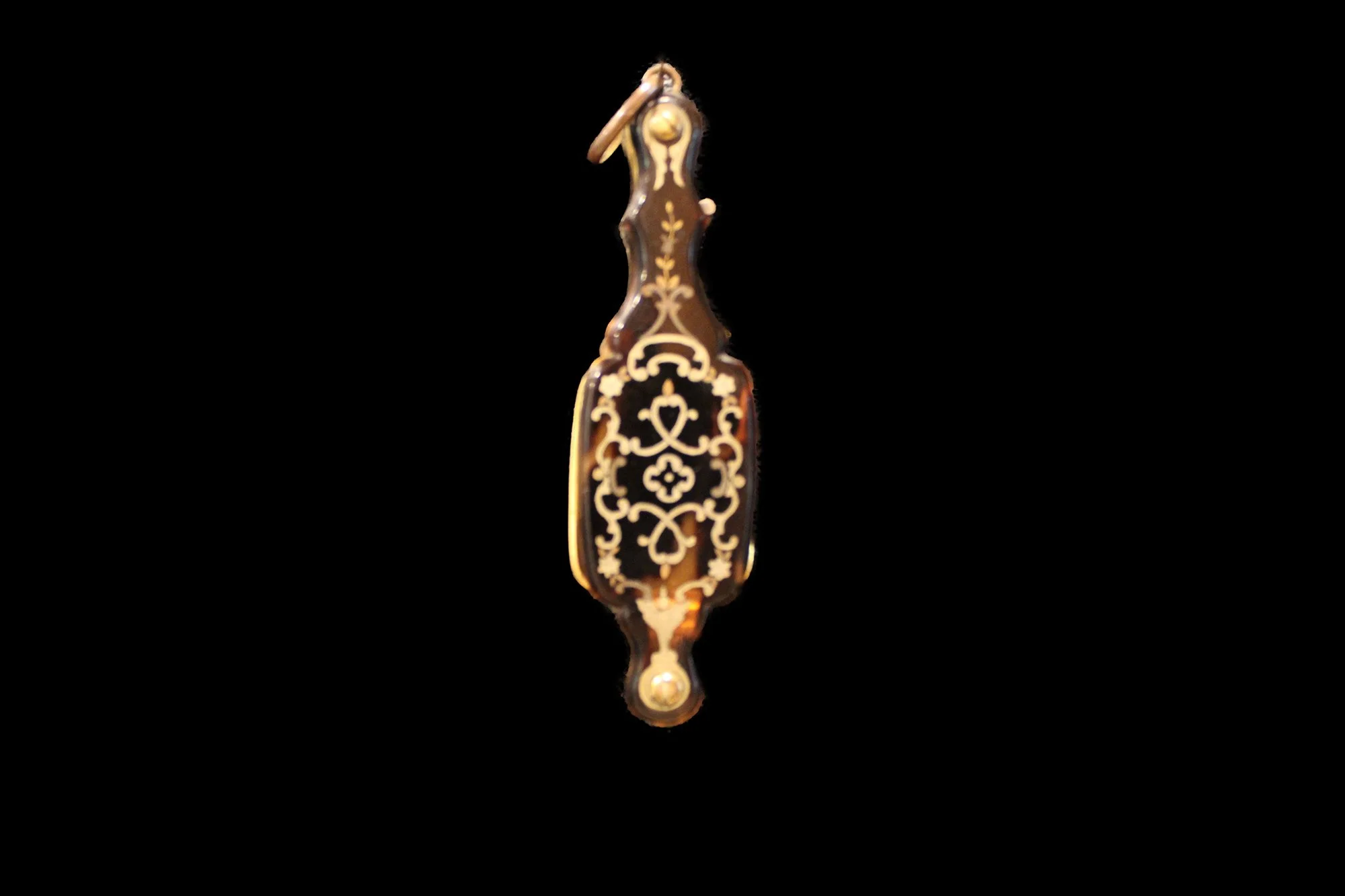 Image 4 of 4
Late Victorian Tortoiseshell and Gilt-Metal Lorgnette
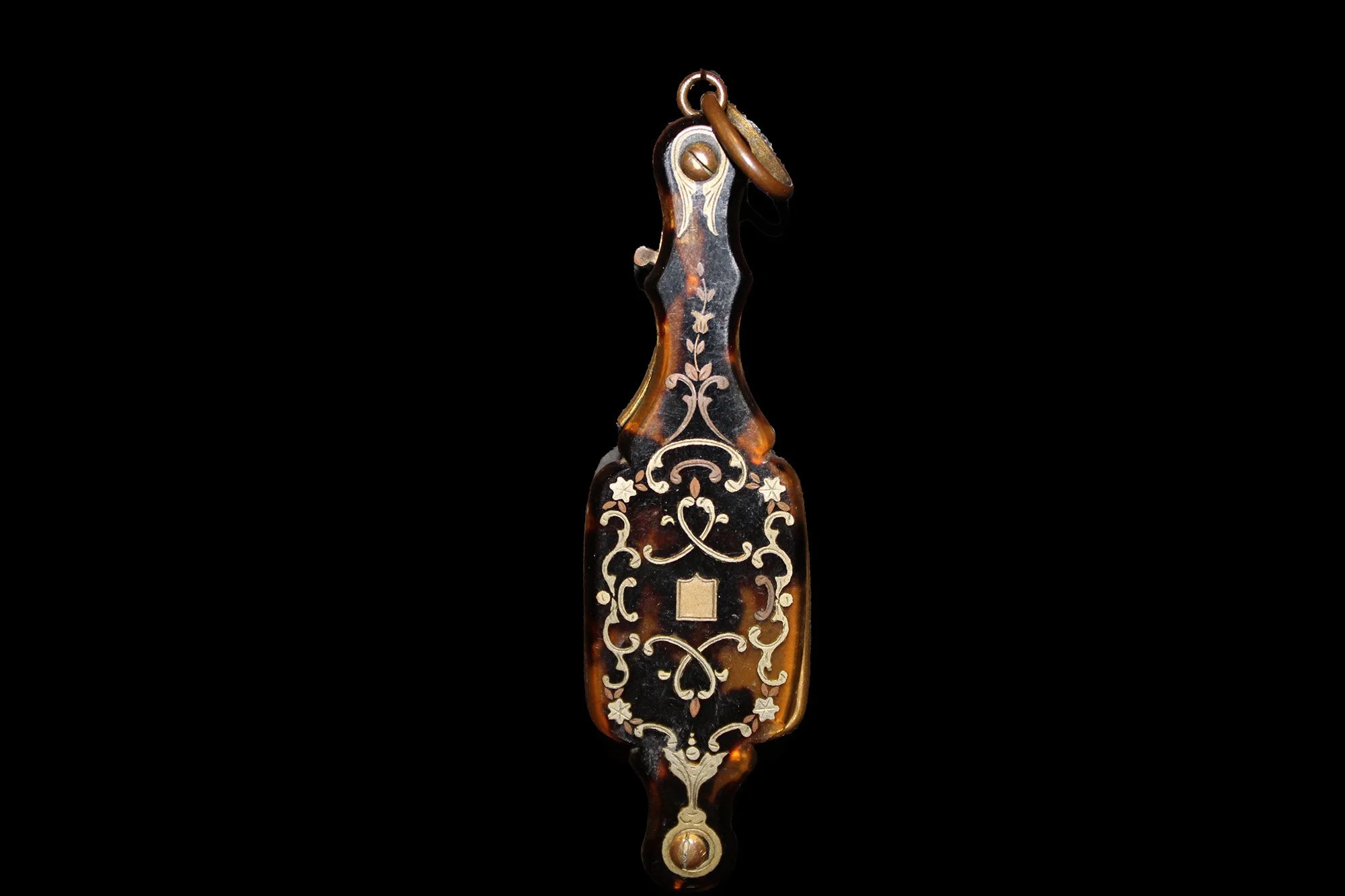
An elegant late nineteenth-century folding lorgnette, its shaped tortoiseshell case ornamented with delicate gilt-metal floral scrollwork and concealing a pair of gilt-metal framed lenses released by a spring-loaded mechanism.
Closed, the object resembles an ornamental pendant or miniature necessaire, revealing little of its practical purpose. At the touch of the mechanism, the spectacles unfold from within the case, transforming a decorative personal accessory into an optical instrument.
The lorgnette emerged from a long history of handheld spectacles but became particularly associated with fashionable society during the nineteenth century. Unlike spectacles worn continuously upon the face, the lorgnette could be raised when required and lowered again with a gesture. It therefore occupied an intriguing position between jewelry, fashion accessory and optical instrument.
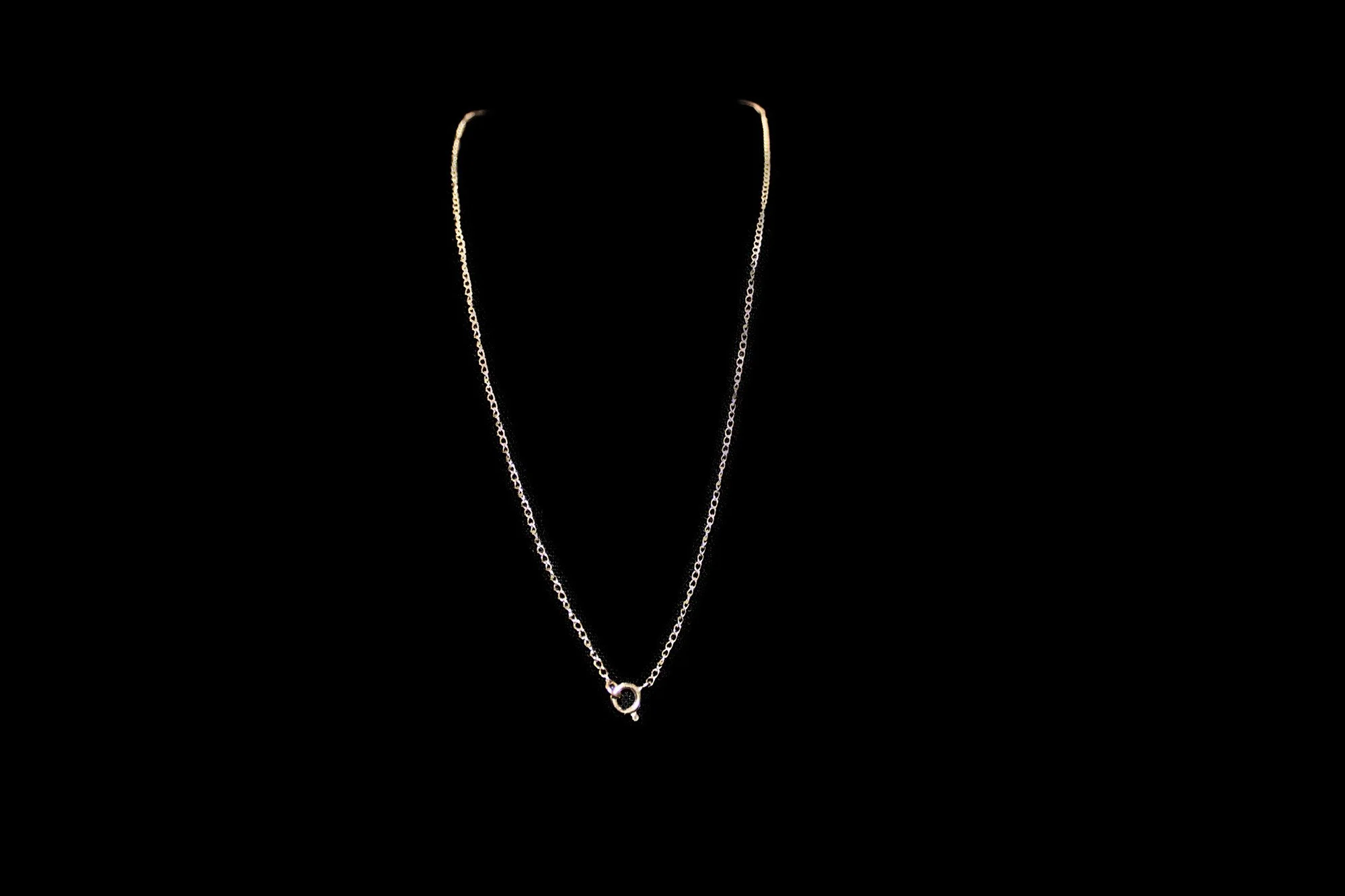
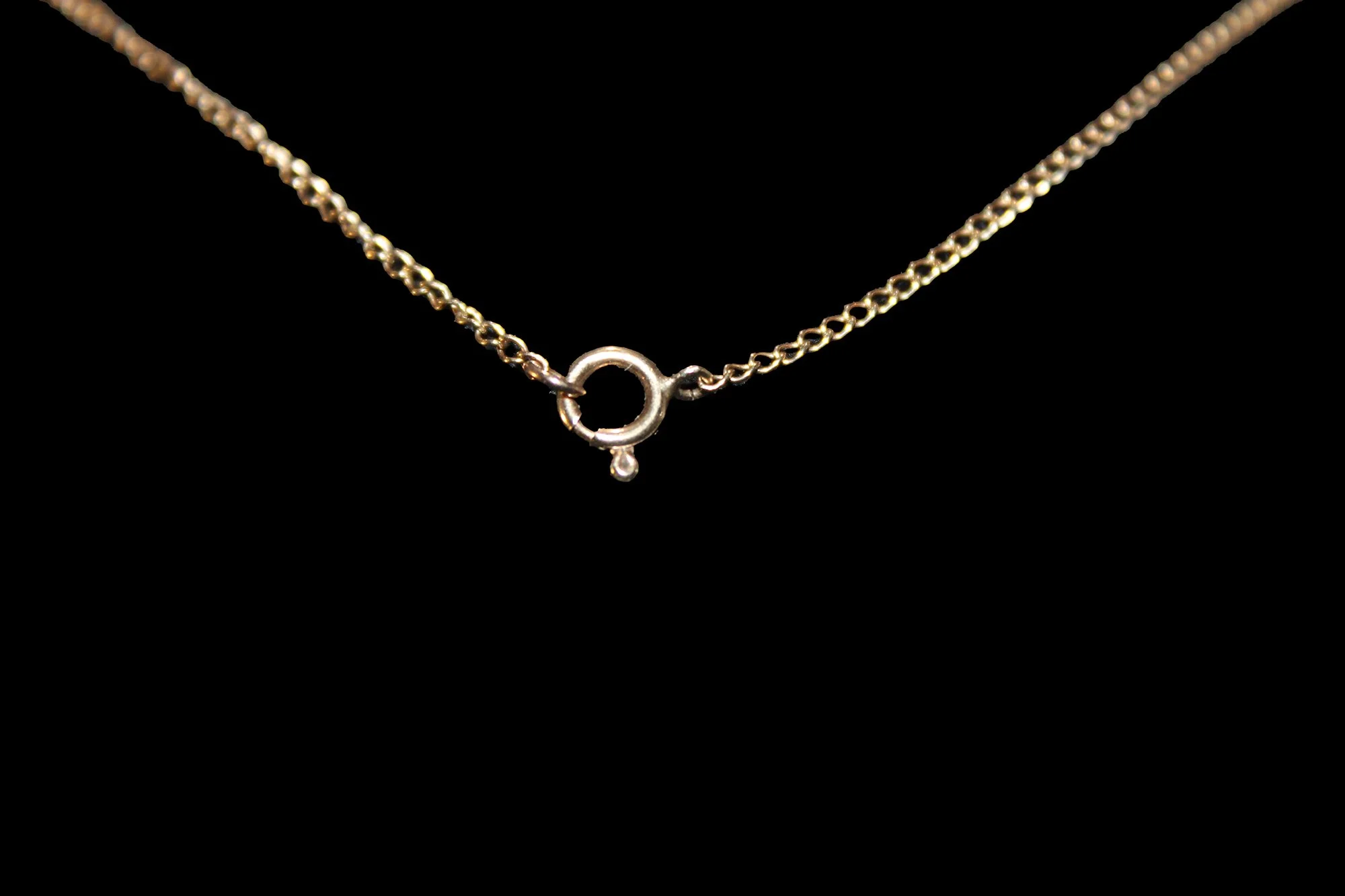
For women especially, lorgnettes could be objects of considerable refinement. Handles and cases were fashioned from precious and luxury materials including gold, silver, enamel, mother-of-pearl, tortoiseshell and hardstones. Suspended from a chain or ribbon, they became part of the repertoire of personal accessories carried into theatres, opera houses, salons and other social spaces.
This example is particularly ingenious because its function is concealed. The rich translucent brown of the tortoiseshell forms a shaped case decorated with symmetrical gilt scrolls, stylized flowers and delicate foliate ornament. Small riveted fittings hint at its mechanical construction, but only when opened does the pair of folding lenses reveal itself.
The floral ornament reflects the nineteenth-century fascination with natural forms, although the highly stylized decoration should not be interpreted as representing particular flowers with specific Victorian meanings. Instead, the scrolling design transforms a functional object into one intended to be handled, worn and admired.
There is also a fascinating social dimension to the lorgnette. Vision was only part of its purpose. In the theatre, opera and drawing room, raising a lorgnette could itself become a gesture—allowing its owner not merely to see, but to observe. Looking through such an object could be conspicuous rather than discreet, making the lorgnette part of the elaborate language of social interaction.
This tension between looking and being looked at gives the object much of its historical fascination. Its owner was simultaneously spectator and participant: observing the room through her lenses while displaying an elegant accessory to everyone around her.
The folding mechanism adds another layer of Victorian ingenuity. Ornament conceals engineering; an apparently decorative pendant becomes an instrument at the press of a release. It embodies a particularly nineteenth-century delight in objects possessing hidden functions and transformations.
Today, the lorgnette survives as a small material record of a vanished social ritual—an object through which fashion, technology, etiquette and the act of looking became inseparably intertwined.