

The Symbolism of Hearts in Antique Jewelry
Love, Devotion, and the Language of Sentiment
Among the many symbolic forms found in antique jewelry, the heart remains the most enduring emblem of affection. For centuries the heart has represented not only romantic love but also loyalty, remembrance, and emotional devotion. When incorporated into jewelry, the motif transformed personal ornament into a powerful expression of feeling, allowing the wearer to carry a visible symbol of attachment close to the body.
Origins of the Heart Motif
The stylized heart shape familiar today emerged in Europe during the Middle Ages. By the fourteenth and fifteenth centuries the form had become widely associated with courtly love, appearing in illuminated manuscripts, devotional imagery, and heraldic decoration. Jewelry adopted the motif soon afterward, particularly in rings and pendants exchanged as tokens between lovers.
Unlike many decorative forms that change over time, the heart retained a remarkably stable meaning: the seat of human emotion and devotion.
Hearts as Tokens of Love
In antique jewelry the heart frequently served as a gift exchanged between intimate partners. These pieces were not merely decorative but symbolic, expressing affection in an era when sentiment and personal symbolism were deeply embedded in everyday objects.
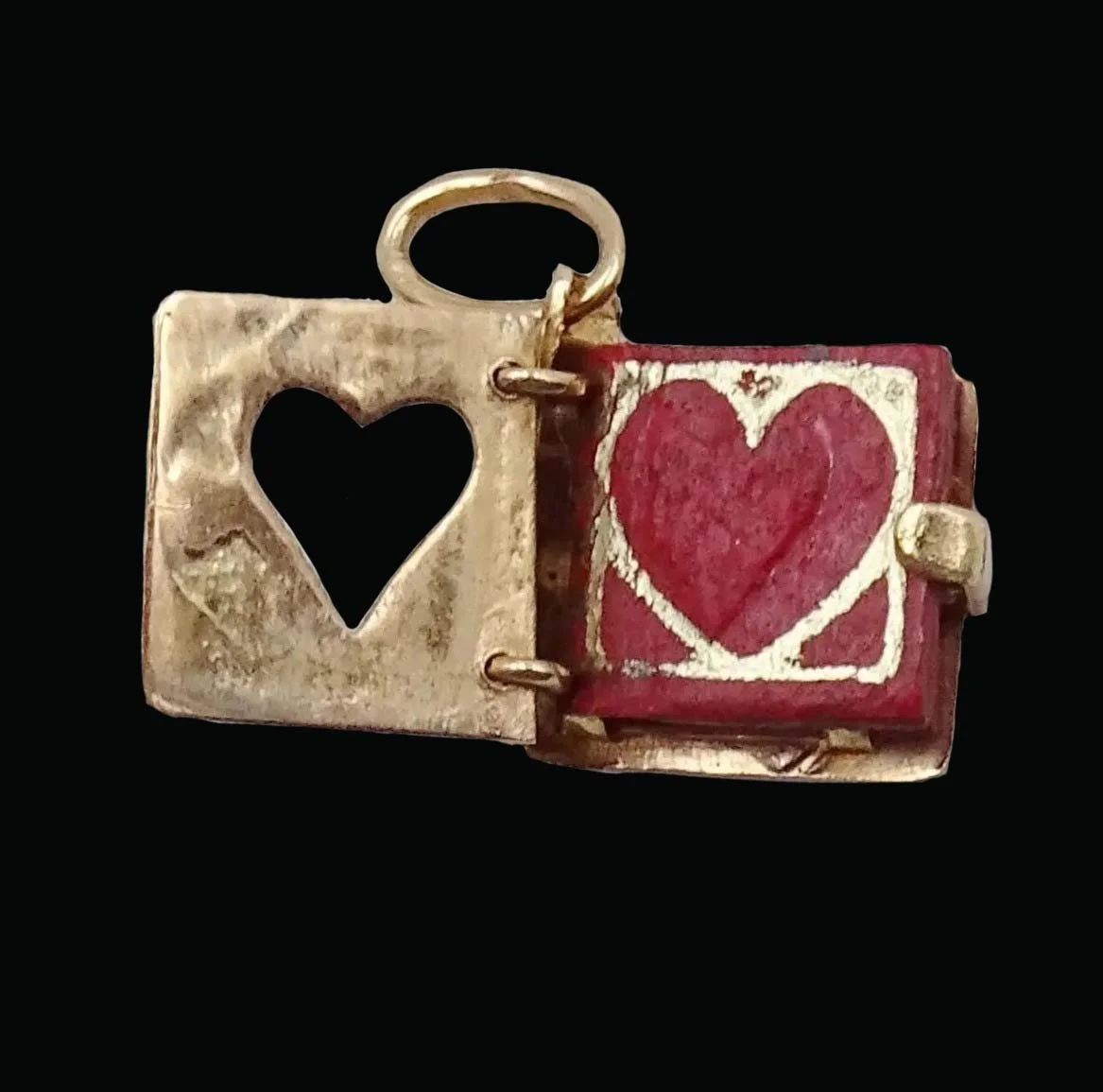
Heart jewels appeared in many forms:
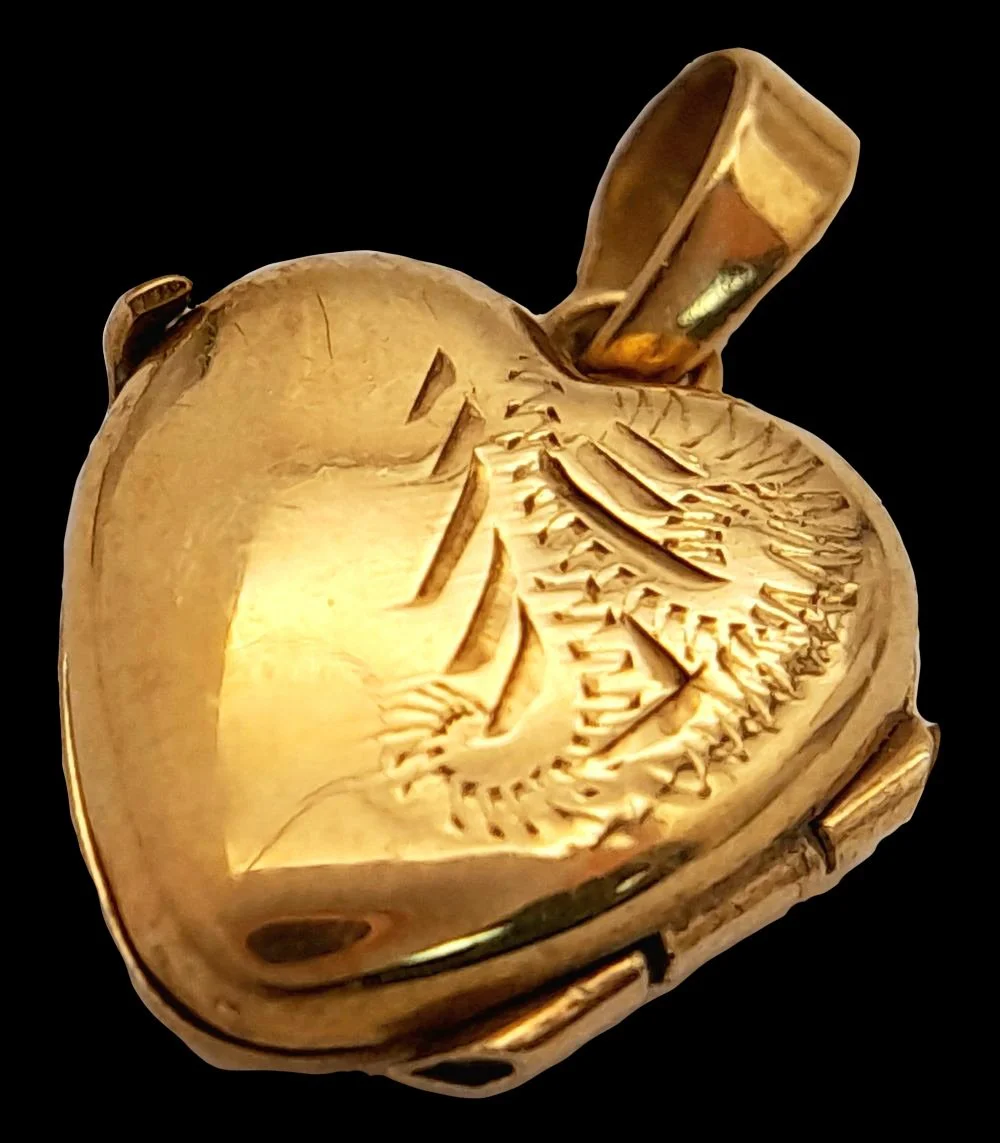
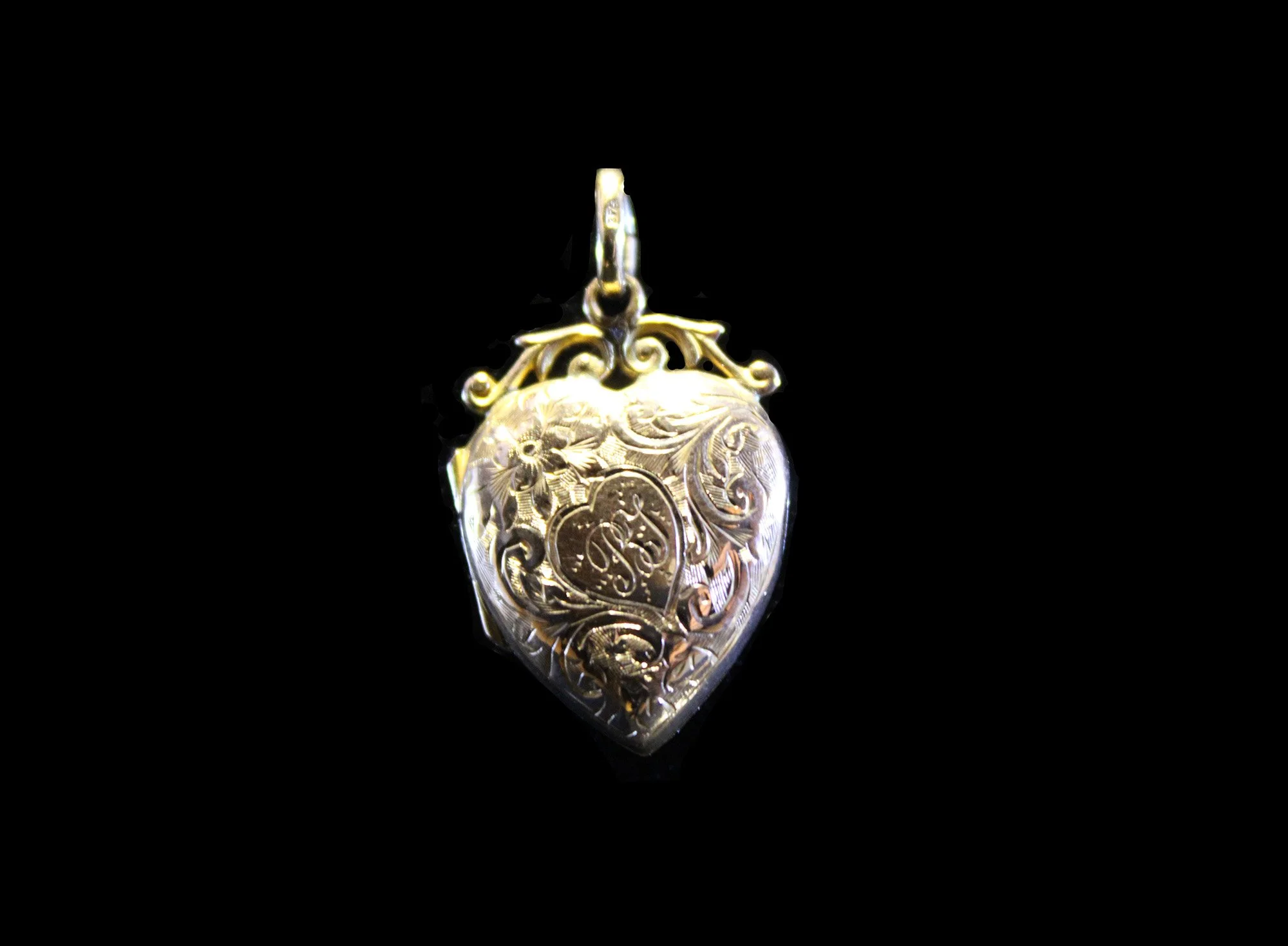
Heart-shaped lockets, often containing portraits or hair
Heart pendants, sometimes pierced by arrows representing Cupid
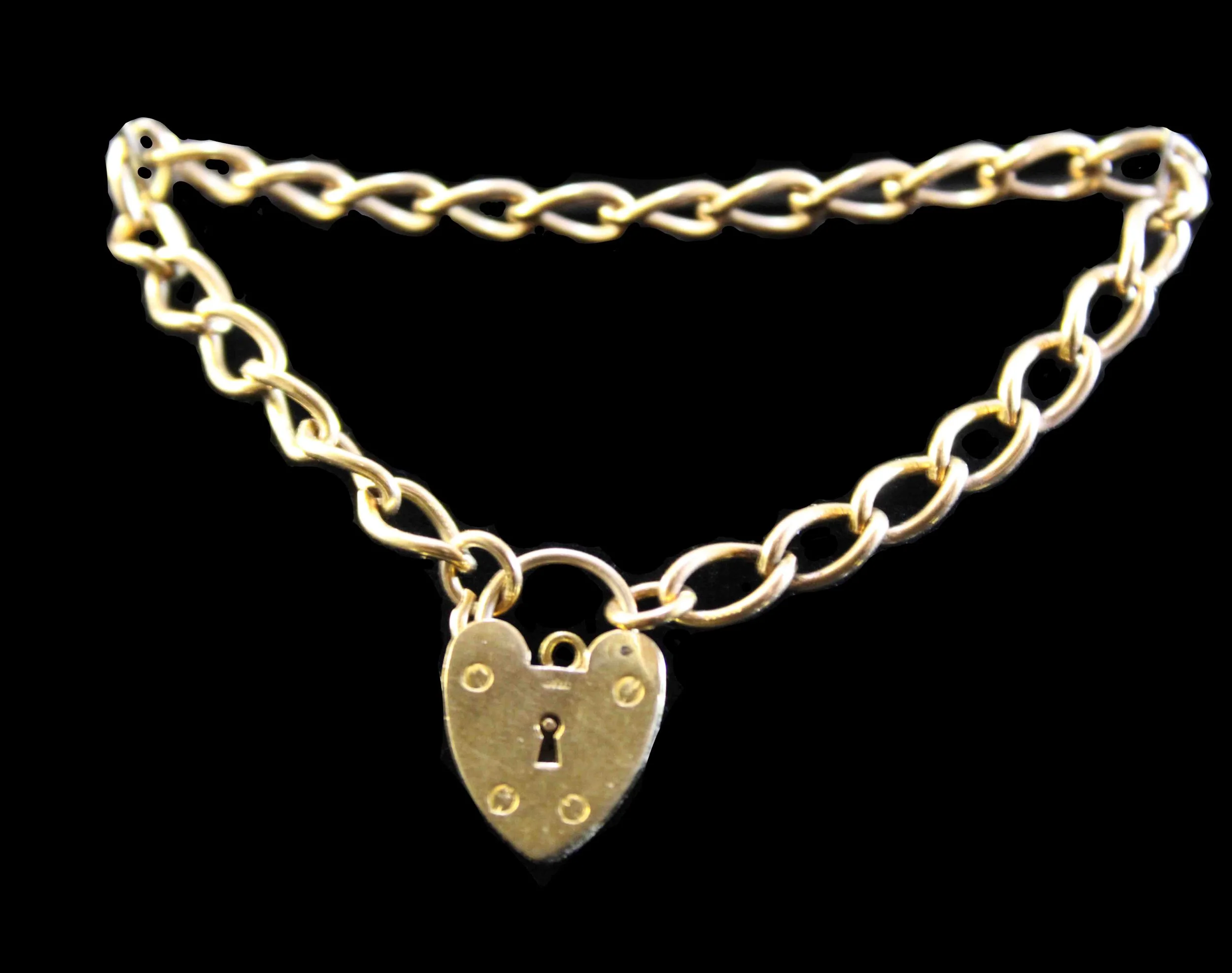
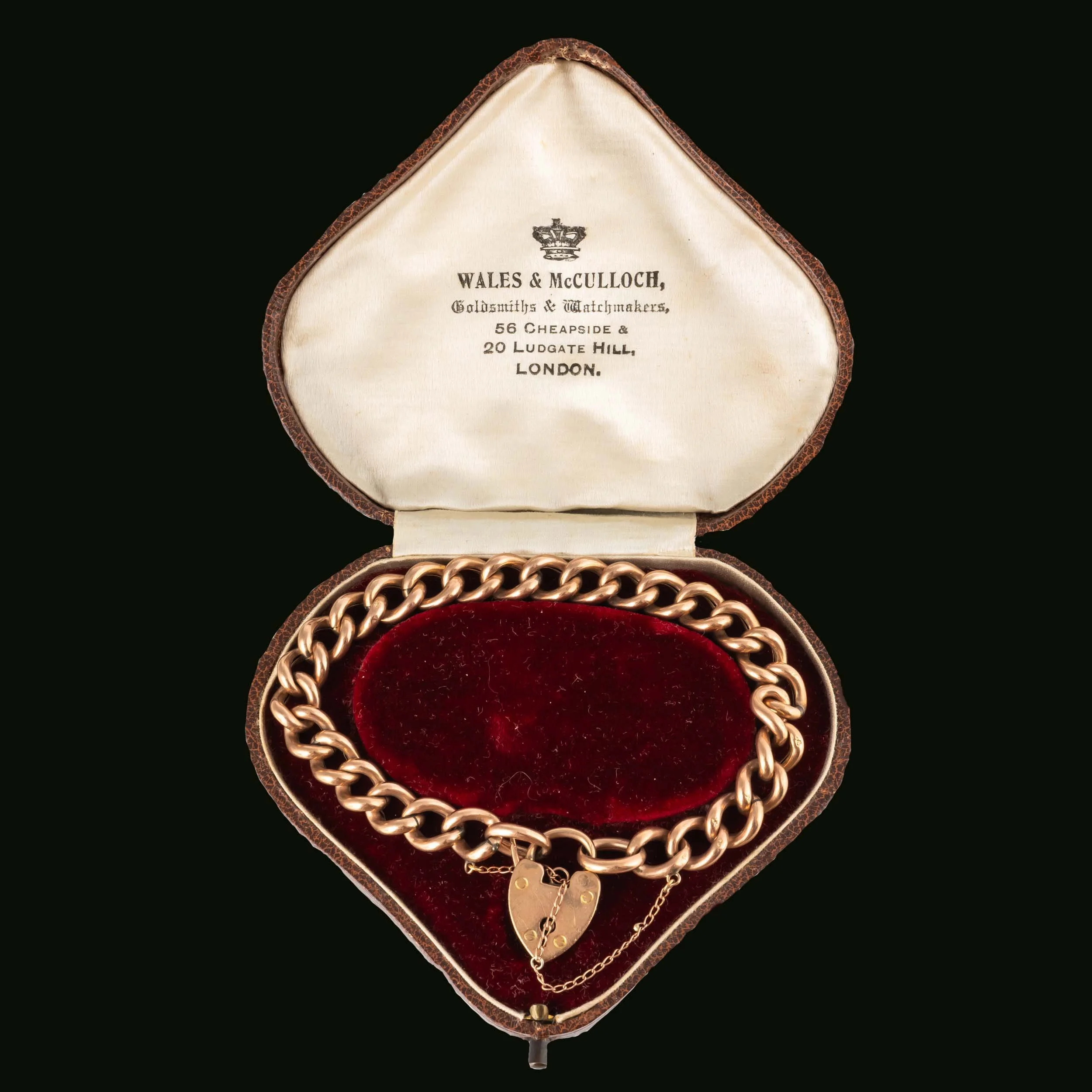
Padlock hearts, symbolizing loyalty and commitment
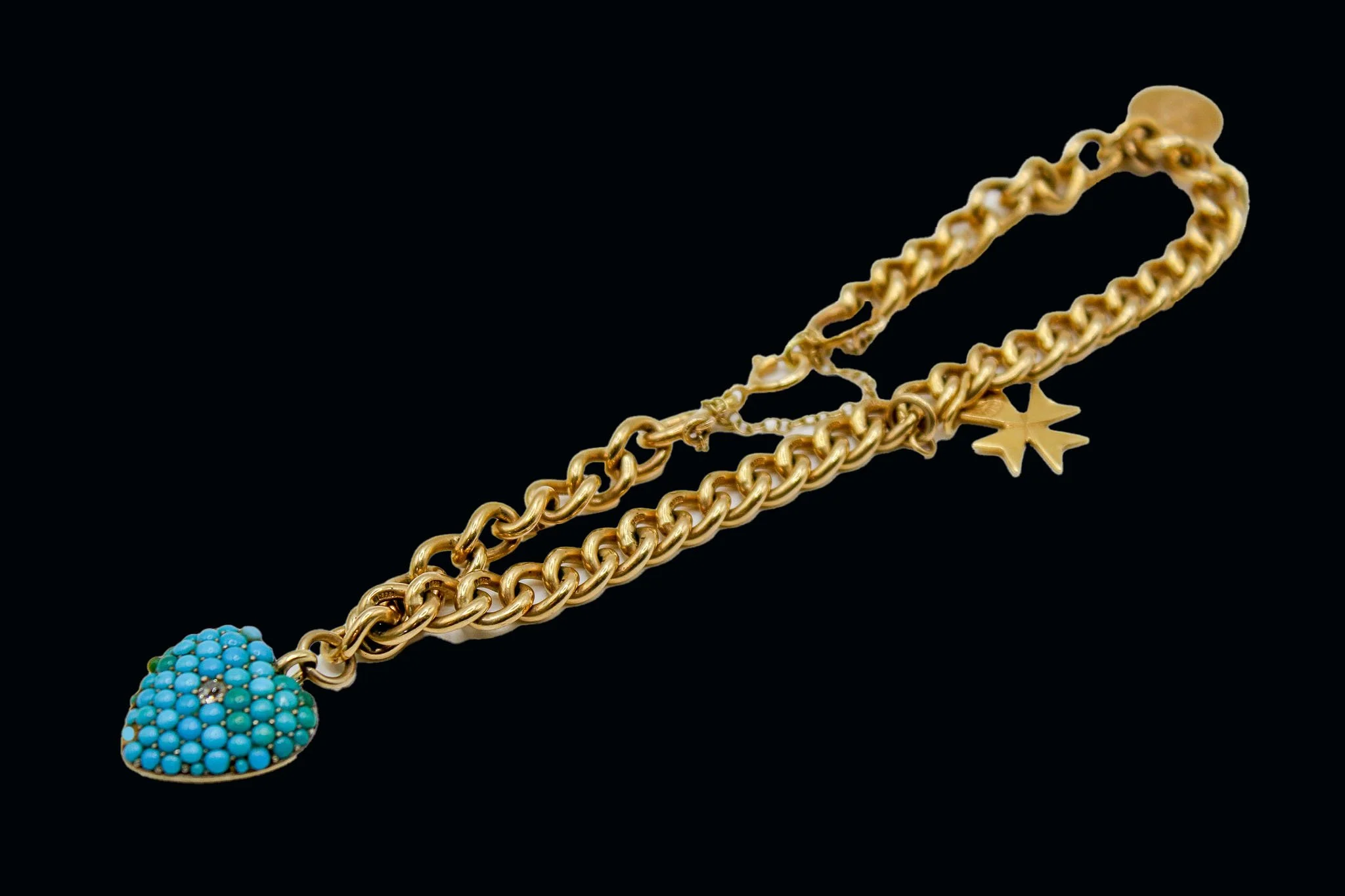
Gem-set hearts, representing enduring love
These jewels functioned as private messages rendered in gold and stone. To wear such an object was to display a visible declaration of attachment.
The Victorian Language of Sentimental Jewelry
During the nineteenth century the heart became central to the Victorian fascination with sentimental symbolism. Jewelry of this period frequently encoded emotion through motifs that conveyed affection, mourning, friendship, or memory.
Victorian heart jewelry often incorporated additional symbolic elements:
Arrows – representing Cupid and love struck suddenly
Keys and locks – suggesting the opening of one’s heart
Flowers – expressing coded meanings drawn from floriography
Pearls – associated with purity and devotion
These layered symbols transformed jewelry into a visual language of emotion, understood by both the giver and the wearer.
Heart lockets became particularly popular during this period. Many were designed to hold miniature photographs or locks of hair, making them intimate keepsakes that preserved the memory of a loved one.
Hearts and Devotion
The heart also carried spiritual significance. In Christian iconography the Sacred Heart symbolized divine love and compassion, and devotional jewelry sometimes echoed this imagery. While religious and romantic meanings could overlap, both shared the idea that the heart represented the center of human feeling and loyalty.
Because of this symbolic depth, heart motifs were not limited to romantic relationships. They could also signify friendship, family devotion, or remembrance.
Enduring Appeal
The heart has remained one of the most recognizable symbols in jewelry history because its meaning is both universal and deeply personal. Unlike fashionable motifs that come and go, the heart continues to communicate a timeless message: affection, loyalty, and emotional connection.
Antique heart jewelry therefore occupies a special place within the broader tradition of sentimental adornment. Each piece represents more than ornament; it reflects the enduring human desire to express love in a tangible and lasting form.