

The Symbolism and Significance of Jet in Antique Jewelry
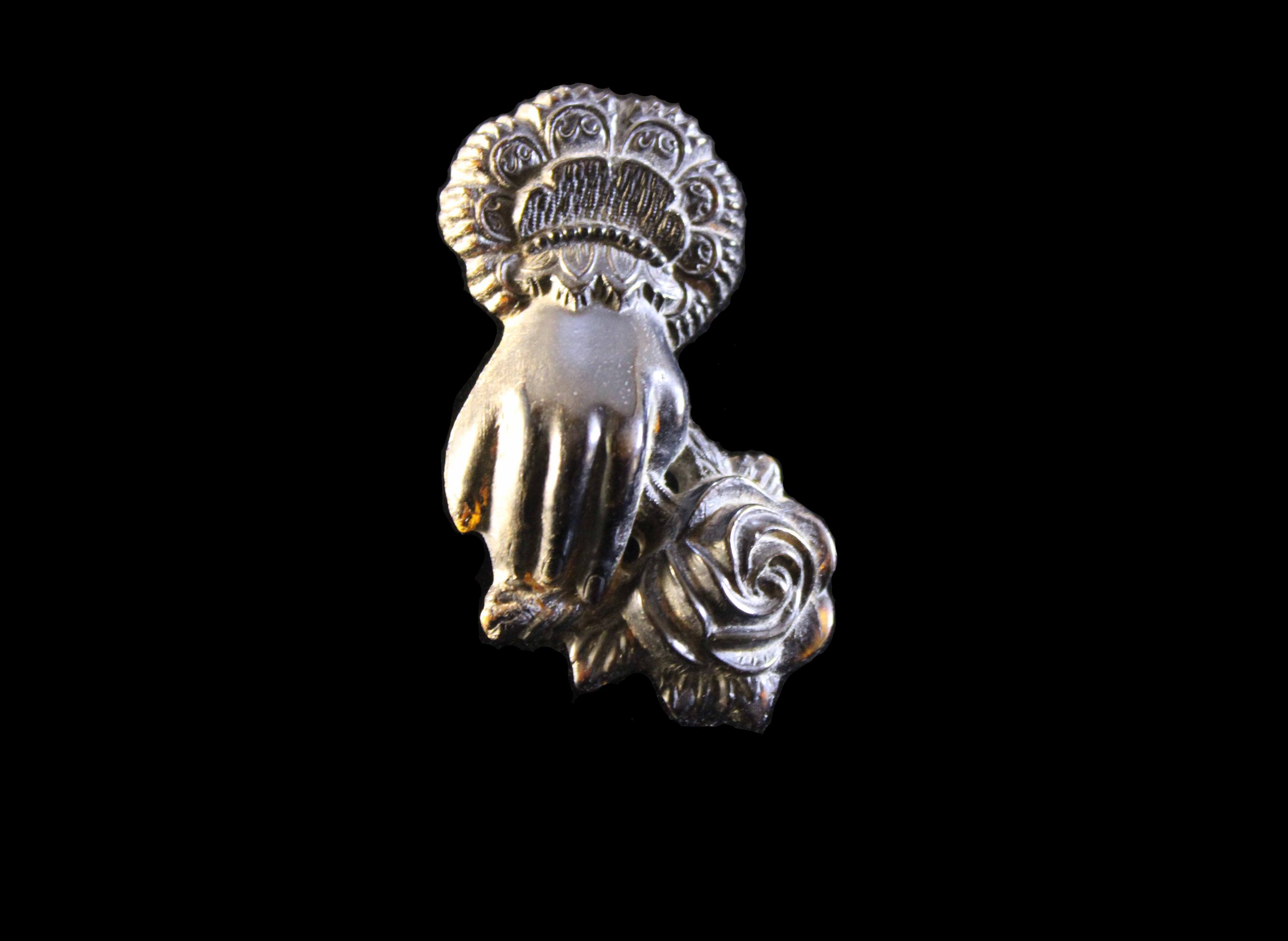
Mourning, Memory, and the Material Language of Grief
Among the most evocative materials used in nineteenth-century jewelry is jet, a deep black mineraloid formed from fossilized wood. Prized for its velvety luster and remarkable lightness, jet became one of the most culturally significant materials in the history of sentimental adornment. In the Victorian era particularly, it was closely associated with mourning and remembrance, transforming jewelry into a quiet language through which grief, devotion, and memory could be expressed.
Origins of Jet
Jet forms when ancient wood—most commonly from prehistoric coniferous trees—is compressed over millions of years under conditions that prevent full mineralization. The result is a dense, coal-like organic material that can be carved and polished to a smooth, satin-black surface.
Although jet deposits occur in several regions of the world, the most celebrated source is the coastal town of Whitby in Yorkshire, England. By the early nineteenth century Whitby had become the center of jet carving and production, supplying finely worked jewelry throughout Britain and Europe.
Jet’s natural color and ability to take a soft polish made it uniquely suited to decorative carving. Artisans shaped it into beads, lockets, brooches, earrings, and bracelets, often employing intricate motifs such as flowers, scrollwork, and classical forms.
Jet and the Culture of Mourning
Jet acquired profound cultural meaning during the Victorian era, when mourning customs were formalized and deeply observed. Jewelry played a central role in these practices. Objects worn during mourning were expected to reflect solemnity and restraint, and jet’s deep black appearance perfectly embodied these ideals.
Following the death of Prince Albert in 1861, Queen Victoria famously adopted jet jewelry as part of her extended period of mourning. Her public example contributed to an extraordinary surge in demand, and jet became synonymous with mourning adornment throughout the second half of the nineteenth century.
Unlike brightly colored gemstones associated with celebration or courtship, jet communicated grief, remembrance, and reverence for the departed. Its subdued luster allowed jewelry to remain expressive while maintaining the dignity expected during mourning.
Symbolism and Sentiment
Despite its somber color, jet jewelry often carried rich emotional symbolism. Many pieces incorporated motifs that reflected the Victorian language of sentiment:
Weeping willows, representing sorrow and remembrance
Urns, symbolizing the memory of the deceased
Flowers, conveying coded messages drawn from floriography
Lockets, containing photographs or hair of loved ones
In this way, jet jewelry functioned not simply as ornament but as a portable memorial, allowing the wearer to keep the memory of the departed close.
Craftsmanship and Artistic Expression
Jet’s softness made it ideal for carving, and Victorian artisans achieved remarkable levels of detail. Cameos, floral garlands, and intricate geometric patterns were carved entirely by hand, demonstrating both technical skill and artistic sensitivity.
Despite its association with mourning, jet jewelry was often highly sophisticated in design. Pieces ranged from simple bead necklaces to elaborate multi-tiered brooches and bracelets that showcased the material’s sculptural possibilities.
Jet as a Cultural Artifact
Today jet jewelry offers insight into the emotional landscape of the nineteenth century. It reflects a period when mourning rituals were deeply integrated into social life and when jewelry served as an intimate expression of remembrance and loyalty.
The enduring fascination with jet lies in this intersection of material, symbolism, and human emotion. Its dark surface evokes solemnity, yet the craftsmanship and sentiment embedded within each piece reveal the enduring desire to honor memory and preserve the bonds between the living and the departed.
In this way, jet stands as one of the most poignant materials in the history of jewelry—transforming fossilized wood into a powerful symbol of remembrance and devotion.