

The Symbolism of Gold Writing Instruments - Love Letters
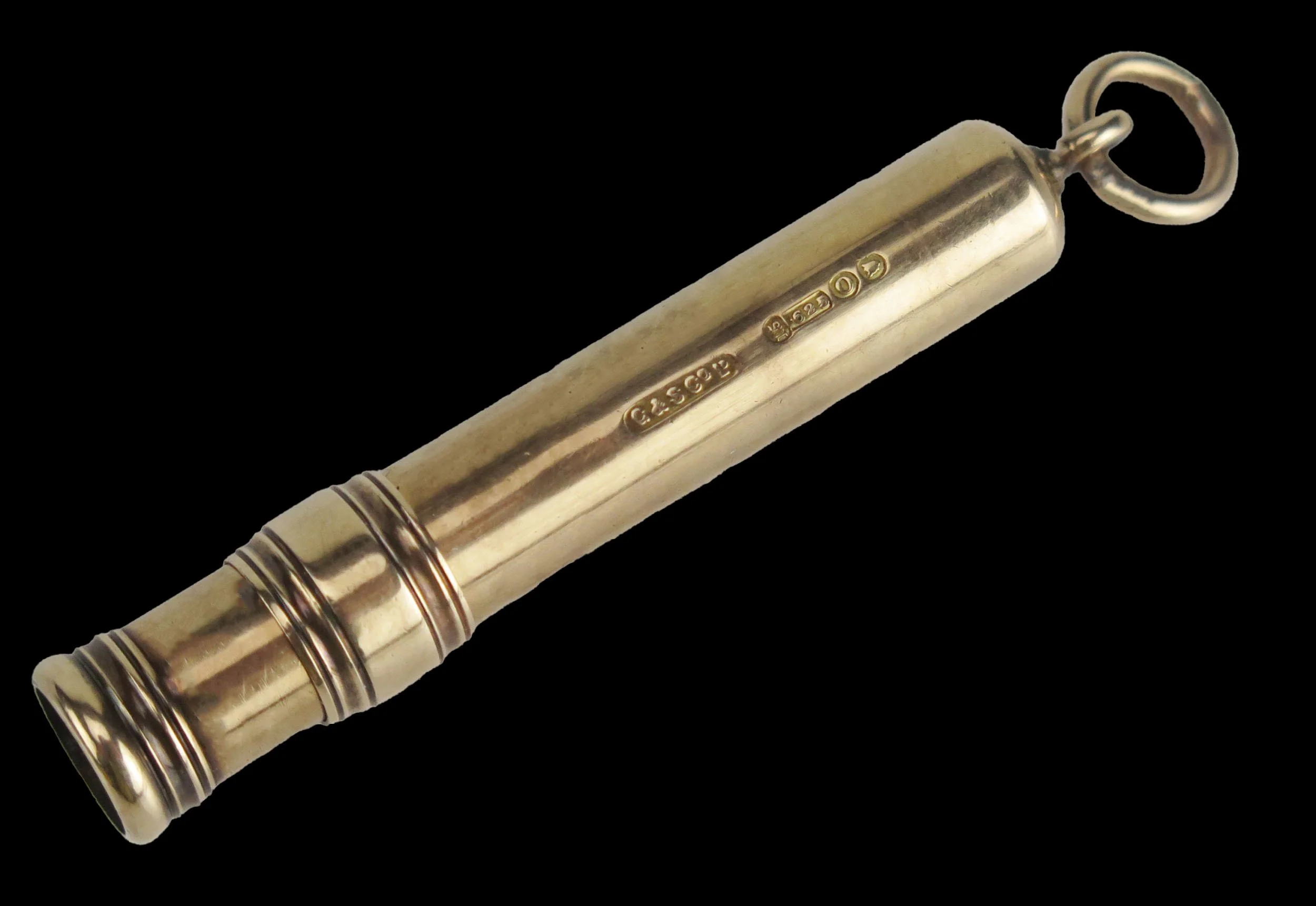
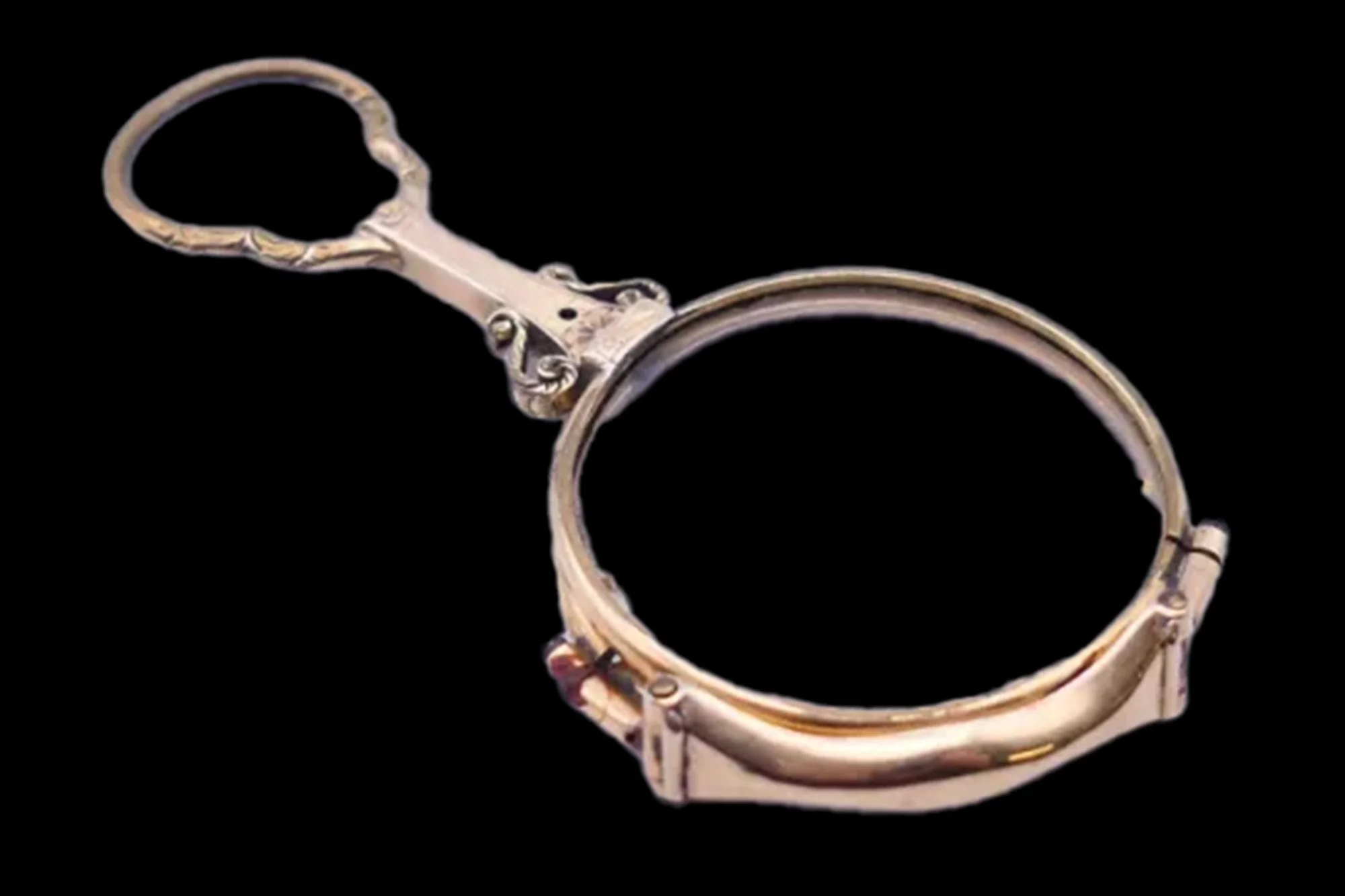
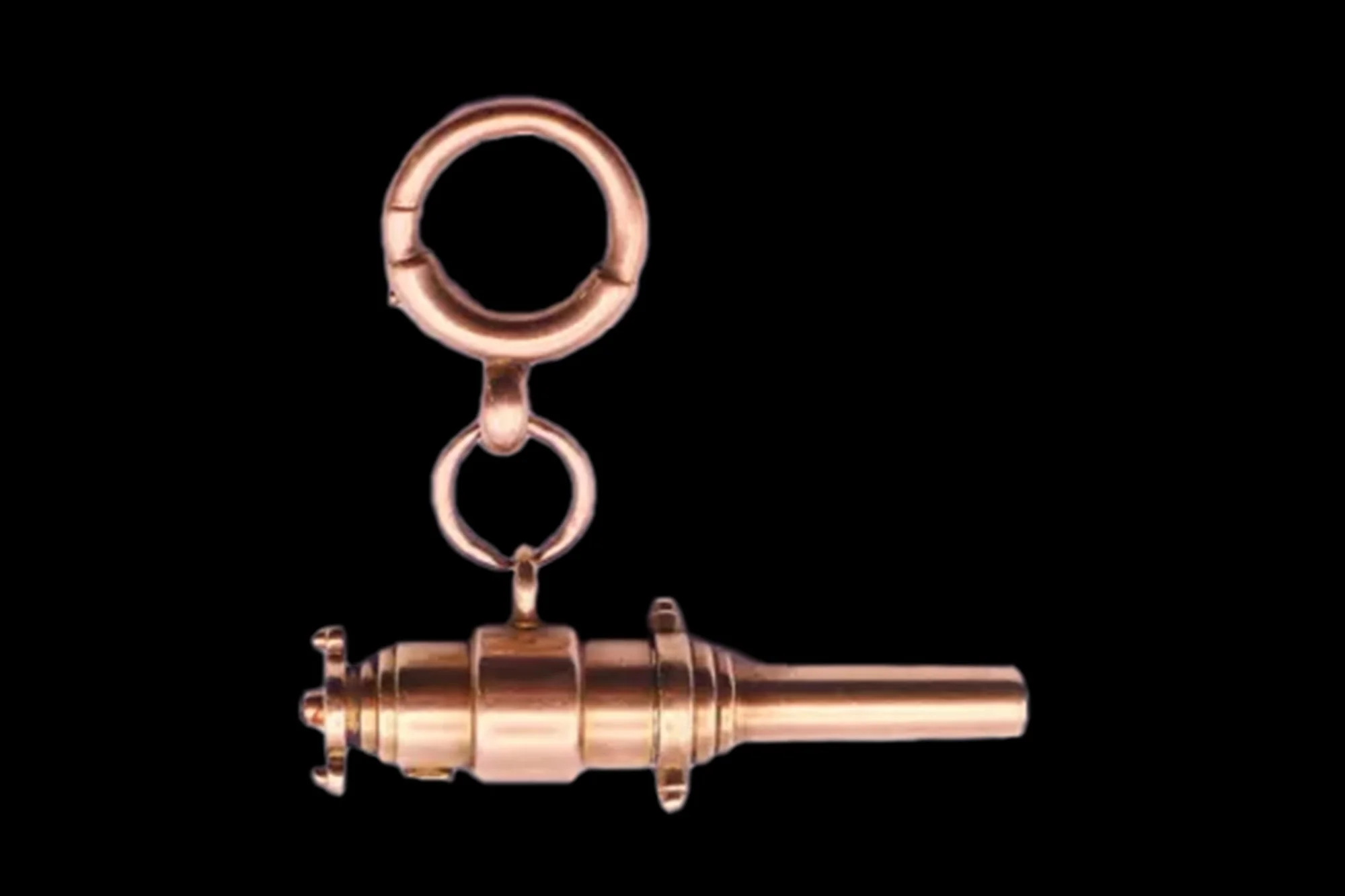
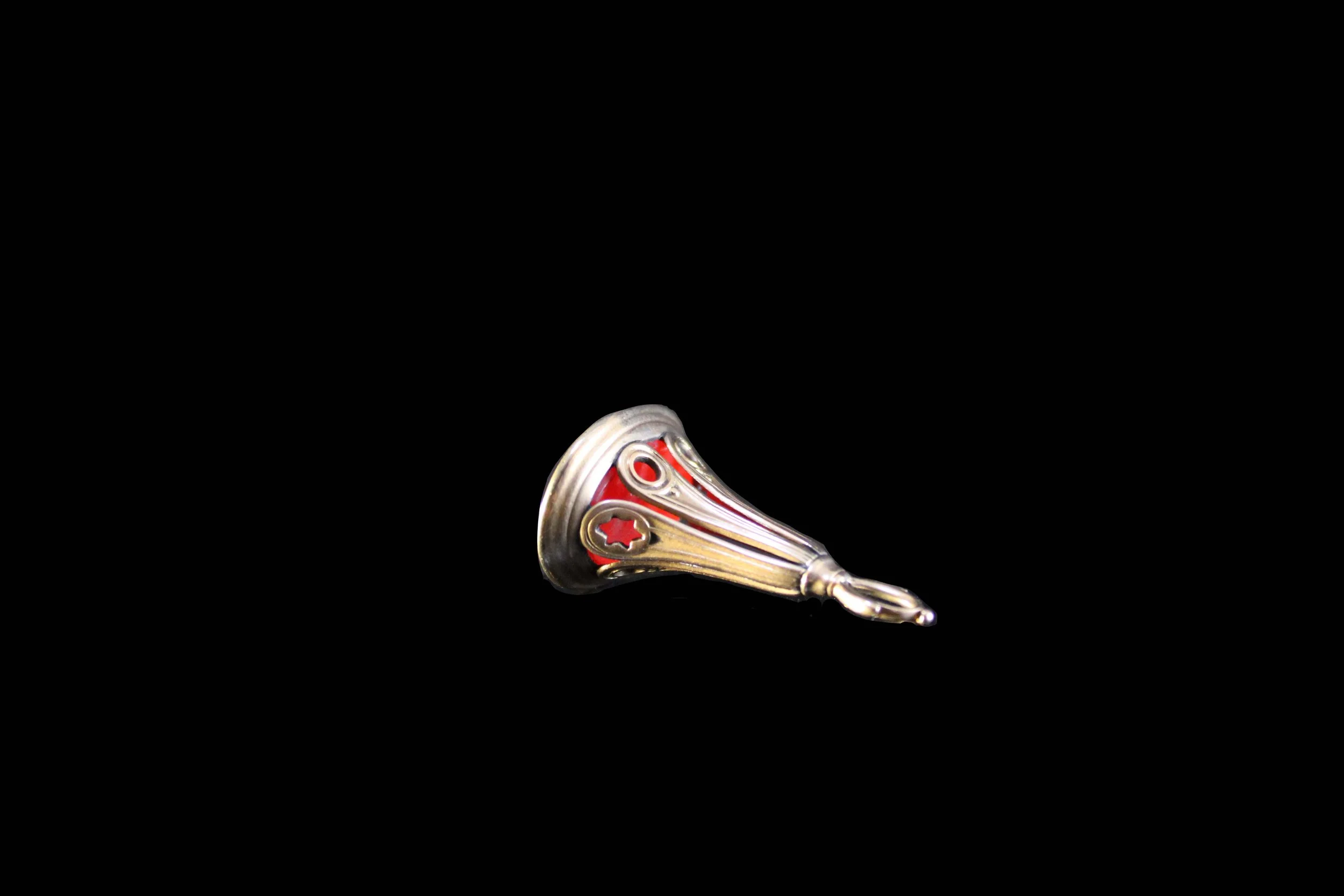
Throughout the eighteenth, nineteenth, and early twentieth centuries, the act of writing was among the most intimate expressions of human emotion. Long before telephones, text messages, or instant communication, affection, longing, and devotion were carried through the written word. Within this cultural world of letter writing, the instruments used to compose those words often carried symbolic meaning of their own.
Among the most evocative of these objects were gold writing instruments — pencils, pencil holders, and pens fashioned in precious metal. While their purpose was practical, their material transformed them into objects of sentiment and intention.
Gold, historically associated with endurance, fidelity, and incorruptibility, served as a fitting material for writing instruments used in matters of the heart. A gold pencil or pen suggested that the thoughts it recorded were meant to endure — not fleeting words, but emotions worthy of preservation.
During the Victorian and Edwardian periods, Valentine traditions flourished, and handwritten messages became one of the most meaningful ways to express affection. Lovers often exchanged folded notes, poetic verses, or small letters slipped discreetly into books, gloves, or pockets. A portable pencil allowed these sentiments to be written spontaneously — in a quiet garden, aboard a train, or during a stolen moment of privacy.
Such instruments therefore became silent witnesses to the private language of romance. With them were written:
• Valentine messages composed in careful script
• short poems of admiration or longing
• secret notes exchanged between lovers
• reflections recorded in diaries and journals
In many cases the words written with these pencils were intended only for a single reader, reinforcing the deeply personal nature of handwritten communication.
The choice of gold also carried a subtle symbolism. Unlike common metal or wood, a gold writing instrument suggested a permanence of feeling. The medium itself mirrored the intention of the message — emotions believed to be lasting, worthy of being recorded in an object that would not tarnish or decay.
For this reason, gold writing instruments were sometimes given as gifts between lovers or family members. The object became both tool and keepsake: the means through which sentiments were written and a lasting reminder of the bond between writer and recipient.
Today such pieces evoke a world in which love was expressed slowly, thoughtfully, and often privately. They remind us that before the age of instant communication, the written word carried emotional weight, and even the smallest instrument used to compose it could hold profound symbolic meaning.
A surviving gold pencil or pen therefore represents more than a writing tool. It is a relic of a time when romance unfolded through handwritten pages, sealed envelopes, and messages composed with deliberate care — words once written in gold, meant to endure.