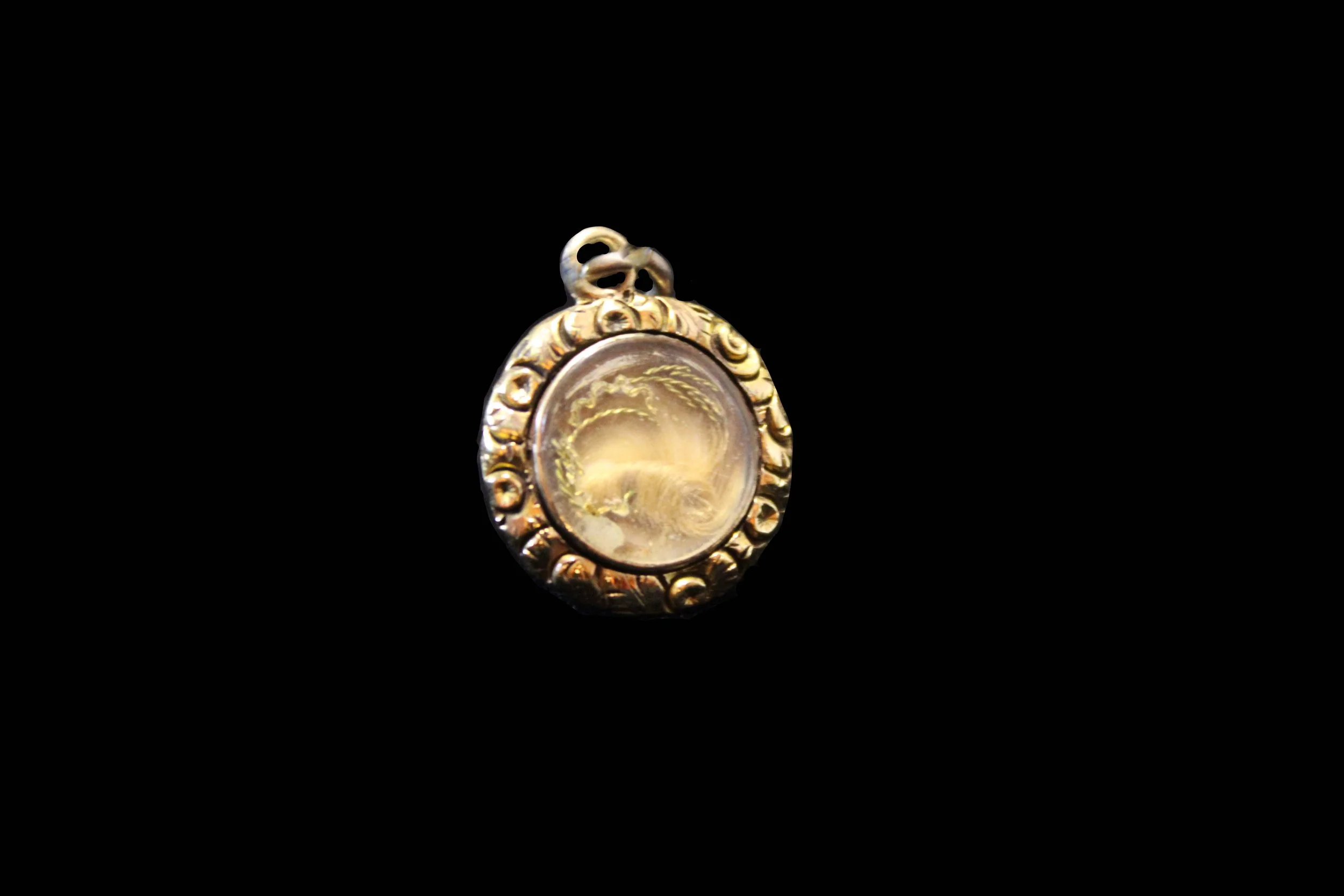
Talismans of Love and Memory Preserved in Gold
Antique gold jewels last generations
Historically, across civilizations and centuries, gold has carried meaning far beyond adornment. Long before photography, digital archives, or written memoirs, gold served as a durable vessel for human memory — preserving love, devotion, grief, and identity beyond a single lifetime.
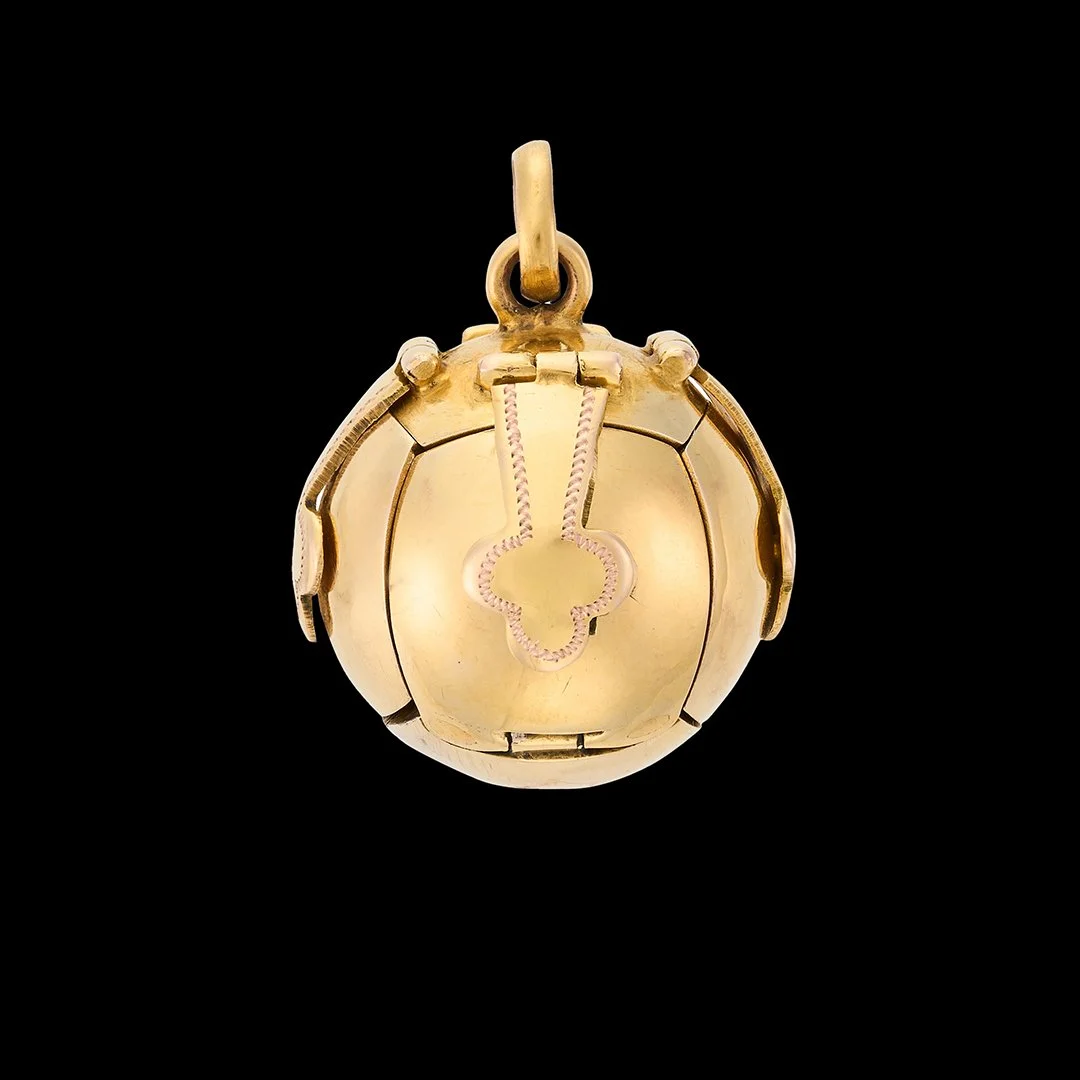
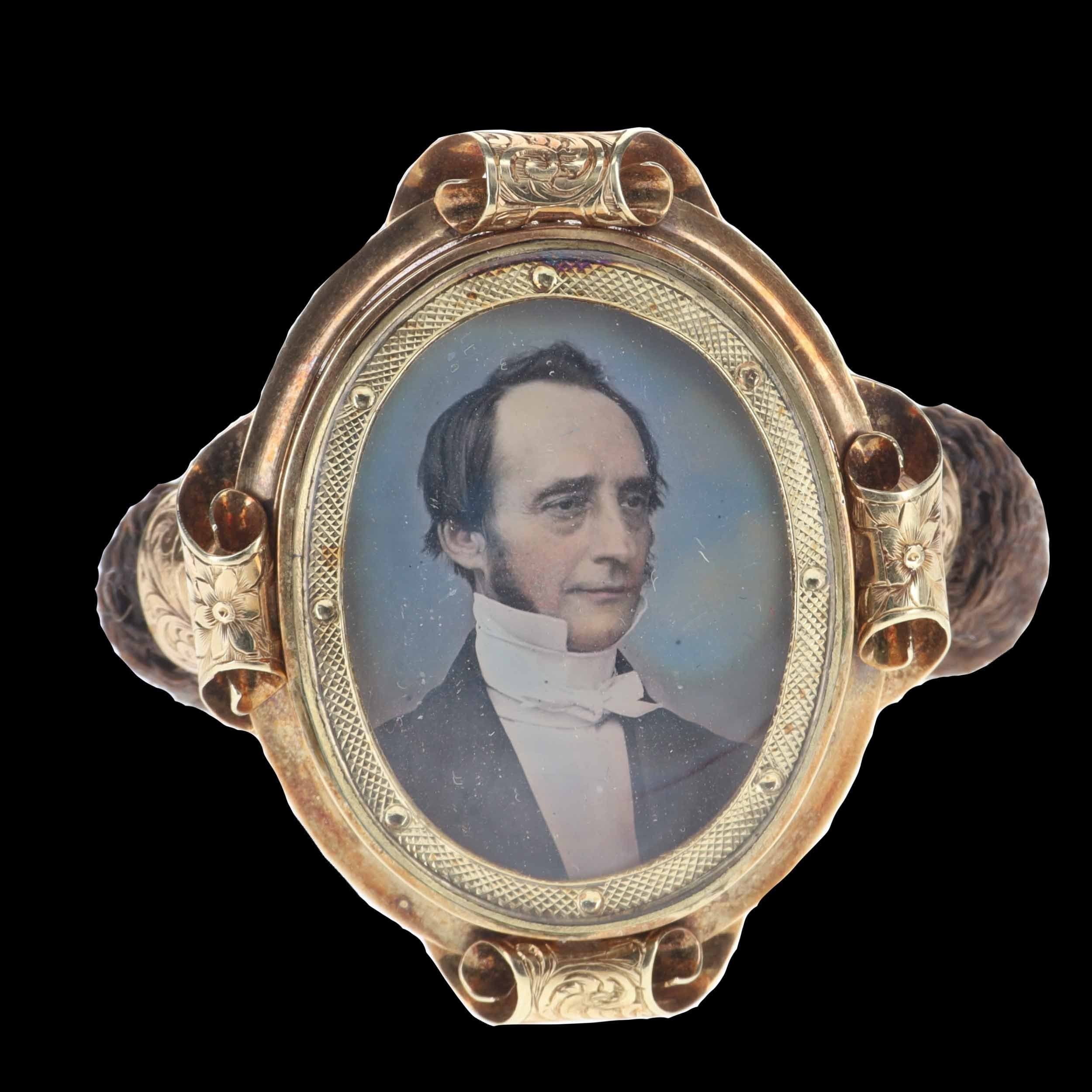
Antique gold jewelry was never merely decorative. Rings, lockets, bracelets, and pendants were commissioned to hold hair, inscriptions, symbols, and motifs that recorded emotional bonds intended to endure after the living had passed. In this way, gold functioned as emotional recordkeeping: a material chosen not for fashion, but for permanence.
Gold does not corrode. It does not tarnish with time. Its physical endurance made it uniquely suited to preserve sentiments that were never meant to fade. Love made tangible in gold was designed to outlast the body, the moment, and even memory itself.
Throughout history, gold jewelry carried layered meaning. Hearts signified devotion. Knots represented unbroken bonds. Lockets enclosed remembrance. Mourning jewelry transformed grief into something wearable and private. These objects were not symbolic gestures alone — they were intimate tools for holding memory close, against the body, across generations.
Ma Couronne exists to honor this continuity. Each antique gold jewel we present is understood not only as an artifact of its era, but as part of a living lineage of human emotion. To wear antique gold is not to look backward, but to participate in a tradition that views love as something capable of surviving time itself.
Gold endures when human memory cannot.
What it carries, it carries forward.
Ivory in Antique Jewelry: Material, Meaning, and Craft
Ivory has long been admired as one of the most refined materials used in decorative arts and jewelry. Derived primarily from the tusks of elephants and other animals such as walrus, hippopotamus, and narwhal, ivory possesses a luminous, warm surface and a fine, even grain that allows for remarkably delicate carving. For centuries, these qualities made ivory a prized material among artisans working in miniature sculpture, portraiture, and ornamental jewelry.
In antique jewelry, ivory was particularly favored during the Georgian and Victorian periods, when skilled craftsmen transformed the material into cameos, miniature portraits, mourning jewelry elements, and decorative plaques. Its smooth texture and subtle tonal warmth allowed carvers to achieve intricate details that would have been difficult in harder materials such as stone or metal. The resulting works often display extraordinary finesse, from softly modeled facial features in cameo brooches to finely carved floral and allegorical motifs.
Ivory also carried symbolic and aesthetic significance in nineteenth-century jewelry. Its natural pale tone was closely associated with purity, remembrance, and classical refinement. Because of this, ivory frequently appeared in mourning jewelry and sentimental pieces, where it might serve as the ground for painted miniatures, hairwork compositions, or symbolic carvings. Lockets, brooches, and bracelets sometimes incorporated ivory panels beneath glass or crystal covers, creating a protective frame for delicate personal tokens.
The material’s versatility made it suitable for both structural and decorative applications. In some pieces, ivory was used as a carved centerpiece, while in others it served as a backing or support for painted or hairwork elements. Artisans could polish ivory to a soft sheen or leave it slightly matte to emphasize the subtle grain that gives the material its distinctive character.
Because ivory is organic, antique examples often develop a gentle patina over time, shifting from creamy white to warm honey or parchment tones. This natural aging contributes to the visual depth and authenticity prized by collectors. Fine examples of ivory jewelry frequently reveal careful hand-carving, smooth transitions between carved planes, and delicate tool marks that testify to the artistry of the maker.
Today, ivory objects from the eighteenth and nineteenth centuries remain important historical artifacts that illustrate both the craftsmanship and aesthetic sensibilities of earlier eras. Many survive as cherished heirlooms and museum pieces, admired for their sculptural beauty and the remarkable skill required to shape such a sensitive and demanding material.
When encountered in antique jewelry, ivory offers a window into the traditions of historic craftsmanship and the intimate cultural meanings once attached to personal adornment.
Tortoiseshell in Antique Jewelry: Material, Craft, and Aesthetic Tradition
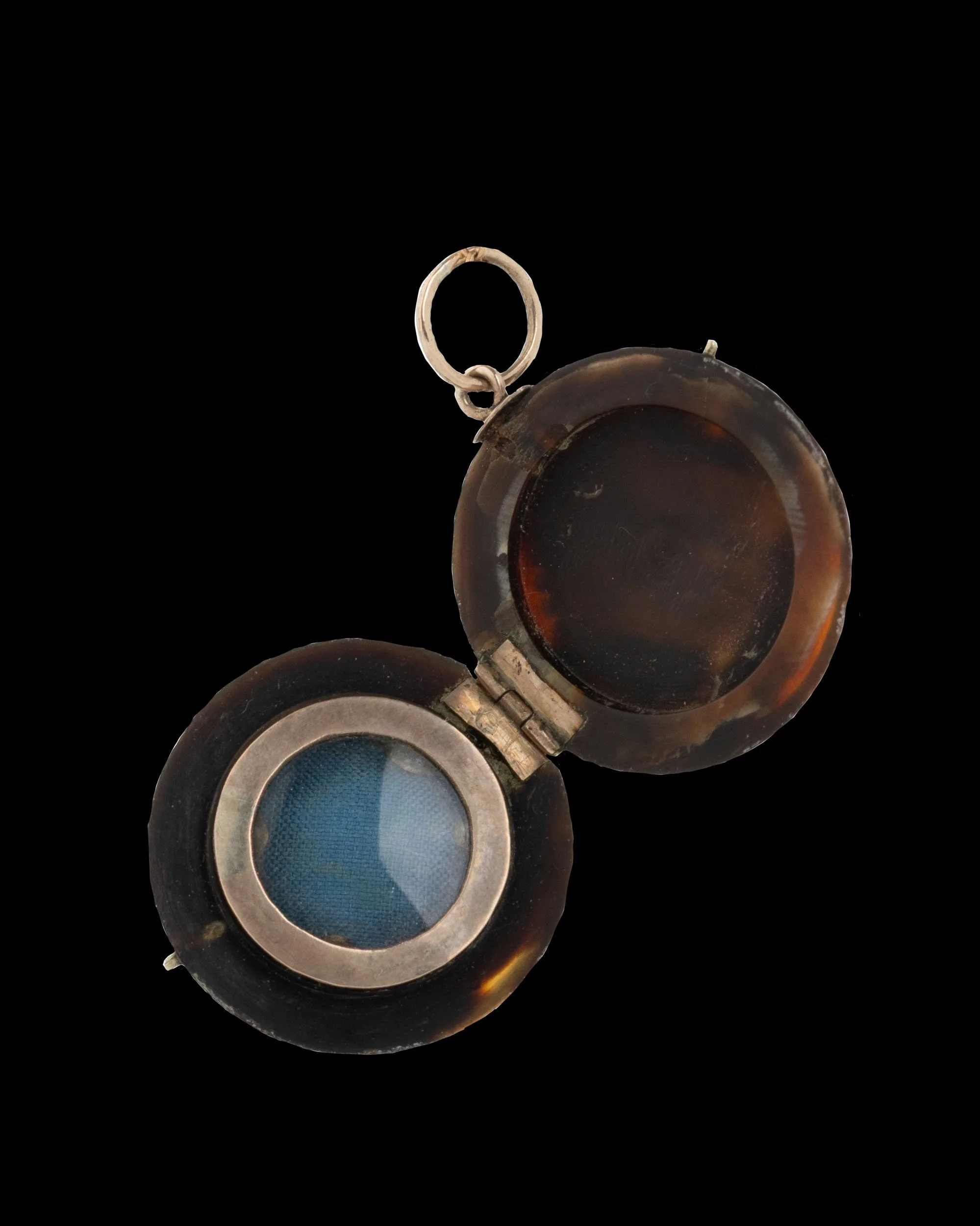
Tortoiseshell was one of the most distinctive and visually striking materials used in decorative arts and jewelry from the seventeenth through the nineteenth centuries. Produced from the scutes of the hawksbill sea turtle, tortoiseshell possesses a unique translucency and richly mottled coloration that ranges from warm honey and amber tones to deep chestnut and near-black markings. This natural patterning, combined with the material’s ability to be shaped and polished to a high gloss, made tortoiseshell highly valued by artisans across Europe.
Unlike many hard materials used in jewelry, tortoiseshell becomes pliable when gently heated. This property allowed craftsmen to mold, bend, and press the material into complex forms before it hardened again upon cooling. As a result, tortoiseshell could be fashioned into elaborate hair combs, bracelets, snuff boxes, lorgnettes, and brooches. In jewelry, it was often carved or molded into openwork designs, scrolls, floral patterns, or classical motifs that highlighted both the depth and translucency of the material.
One of the most celebrated decorative techniques associated with tortoiseshell is piqué work, a refined method developed in France during the eighteenth century. In this technique, tiny pins or wires of gold or silver were carefully heated and pressed into the tortoiseshell surface, forming intricate patterns of stars, flowers, arabesques, and geometric ornament. Piqué jewelry achieved particular popularity during the Georgian and early Victorian periods, when its delicate metal inlay and luminous ground created an elegant contrast between light and shadow.
Tortoiseshell also held aesthetic associations with refinement and luxury. Its rich coloration complemented gold mounts beautifully, and its polished surface reflected light with a subtle depth that differed from the brilliance of gemstones. For this reason, tortoiseshell pieces were frequently mounted in gold or combined with other materials such as mother-of-pearl, ivory, or miniature paintings.
Because tortoiseshell is an organic material, antique examples often develop a mellow patina over time. Exposure to light and age can deepen the amber tones and enhance the layered translucency that collectors prize today. Fine pieces reveal careful hand-finishing, smooth edges, and a balanced arrangement of the natural mottled pattern—features that demonstrate the skill of the original maker in selecting and shaping the material.
Today, antique tortoiseshell jewelry is valued not only for its beauty but also for the craftsmanship it represents. Surviving examples from the eighteenth and nineteenth centuries illustrate the remarkable ingenuity of artisans who worked with natural materials to produce objects of both artistic and personal significance. As with many historical materials, tortoiseshell pieces are now appreciated primarily as cultural artifacts that reflect the aesthetic traditions and decorative arts of their time.
Enamel
Guilloché in Antique Jewelry: Engine-Turned Ornament and the Art of Light
Guilloché is a decorative technique in which intricate, repeating patterns are mechanically engraved onto metal surfaces using specialized engine-turning lathes. The resulting designs—composed of precise geometric waves, radiating sunbursts, basket-weaves, and interlacing curves—create a rhythmic surface that captures and reflects light with extraordinary brilliance. In antique jewelry and decorative objects, guilloché engraving became one of the most refined methods for introducing subtle texture and visual depth to precious metals.
The technique emerged in Europe during the eighteenth century but reached particular prominence in the nineteenth and early twentieth centuries. Craftsmen employed complex machines known as rose engines and straight-line engines, which allowed the engraver to guide a cutting tool across the metal surface in carefully controlled motions. By adjusting the cams and guides of the machine, artisans could produce elaborate patterns that would be nearly impossible to achieve by hand alone. Despite the mechanical assistance, guilloché work required exceptional skill, as even slight misalignment could disrupt the delicate symmetry of the design.
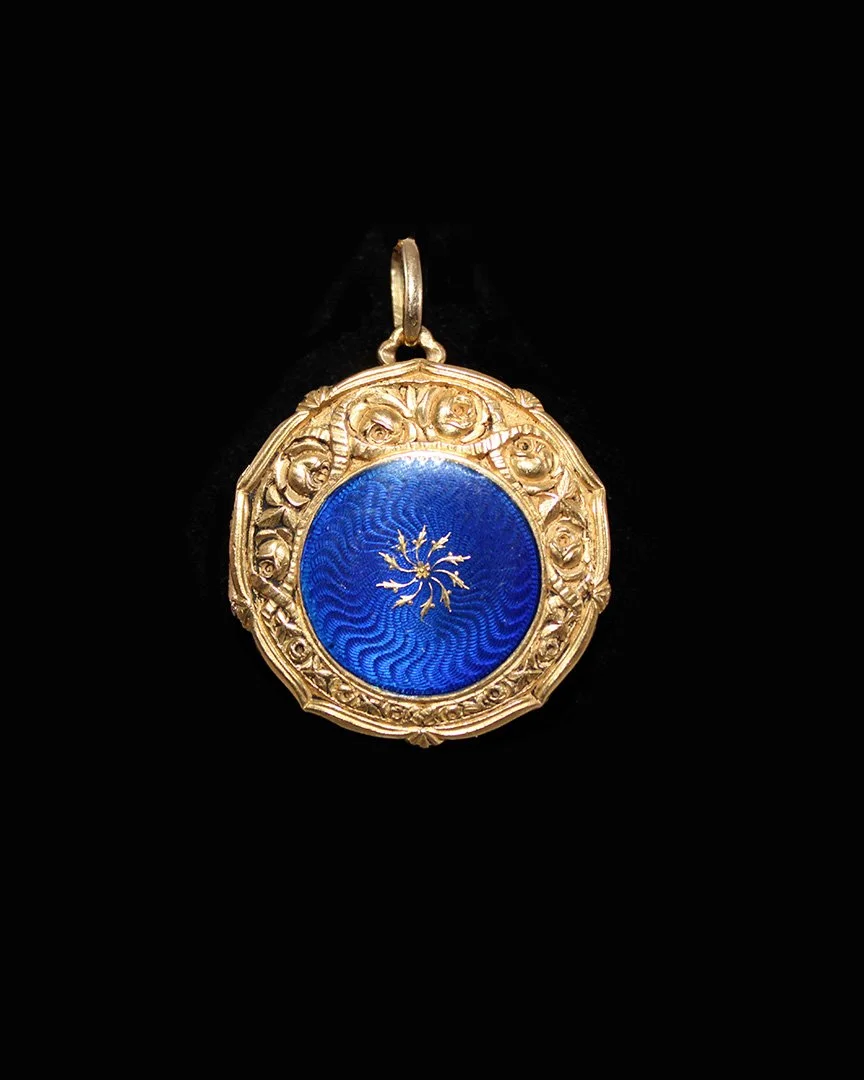
Guilloché engraving was frequently used as a decorative foundation beneath translucent enamel, particularly in the celebrated technique known as guilloché enamel. In these pieces, the engraved metal—often gold or silver—was coated with a thin layer of transparent enamel. When fired and polished, the enamel allowed the engraved pattern beneath to remain visible, creating a luminous effect in which light seems to move across the surface of the object. This method became especially associated with luxury objects produced in the late nineteenth and early twentieth centuries, including jewelry, watch cases, cigarette cases, and objets d’art.
Even when left unenamelled, guilloché surfaces provided an elegant interplay between light and shadow. The precisely cut grooves catch illumination from multiple angles, producing a subtle shimmering effect that animates otherwise smooth metal surfaces. This quality made guilloché particularly well suited to items such as lockets, brooches, watch cases, and cufflinks, where gentle movement enhances the reflective pattern.
The appeal of guilloché lies not only in its visual beauty but also in its union of technology and craftsmanship. Each pattern represents the careful calibration of mechanical instruments combined with the practiced hand of the engraver. Fine antique examples display crisp, continuous lines, perfect symmetry, and a harmonious balance between pattern and form.
Today, guilloché remains a hallmark of sophisticated metalworking in historic jewelry. Surviving pieces illustrate the extraordinary precision and artistry achieved by nineteenth-century engravers and continue to be admired for their ability to transform simple metal surfaces into fields of dynamic, luminous ornament.
Pearls in Antique Jewelry: Nature’s Gem and the Art of Elegance
Pearls have been treasured for thousands of years as one of the most luminous and mysterious materials used in jewelry. Unlike gemstones formed deep within the earth, pearls are organic creations of the sea, produced when mollusks—most commonly oysters—deposit layers of nacre around an irritant within their shells. This natural process gives pearls their distinctive soft luster, often described as a glowing or satiny radiance that seems to emanate from within the gem itself.
Because pearls require no cutting or faceting to reveal their beauty, they were among the earliest gems used in adornment. Throughout history they have symbolized purity, refinement, and quiet luxury, appearing in jewelry worn by royalty, aristocracy, and collectors across many cultures. In Europe, pearls became particularly fashionable during the Renaissance and remained central to jewelry design through the Georgian, Victorian, and Edwardian periods.
Antique jewelry most often features natural pearls, formed without human intervention in saltwater mollusks. Before the early twentieth century, these pearls were extremely rare and valuable, requiring divers to locate them individually in the wild. Their scarcity made them among the most prized gems of the nineteenth century, frequently appearing in fine necklaces, brooches, earrings, and hair ornaments.
Victorian and Edwardian jewelers employed pearls in a wide variety of designs. Small seed pearls were often used to create delicate borders, starbursts, and floral motifs in gold jewelry. These tiny pearls—carefully matched and hand-set—gave pieces a soft, shimmering texture. Larger pearls, valued for their symmetry and luminous surface, were frequently used as focal points in rings, pendants, and drop earrings.
The beauty of a pearl lies primarily in its nacre, the layered crystalline structure that forms the gem’s surface. High-quality antique pearls display a rich orient—subtle rainbow-like reflections beneath the surface—and a smooth, glowing complexion. Over time, pearls may develop a gentle patina that enhances their warmth and character, particularly when they have been preserved with care.
Because pearls are organic and relatively delicate compared with mineral gemstones, antique examples often reflect the attentive craftsmanship of the jewelers who mounted them. Gold settings were designed to cradle the pearls securely while allowing light to move across their surfaces, maximizing their natural luster.
Today, pearls in antique jewelry are admired not only for their beauty but also for the rarity of natural pearls used before the widespread introduction of cultured pearls in the early twentieth century. Surviving pieces offer a glimpse into a period when these gems were among the most coveted treasures of the natural world, celebrated for their understated elegance and timeless appeal.
Jet in Antique Jewelry: Mourning, Material, and Victorian Craft
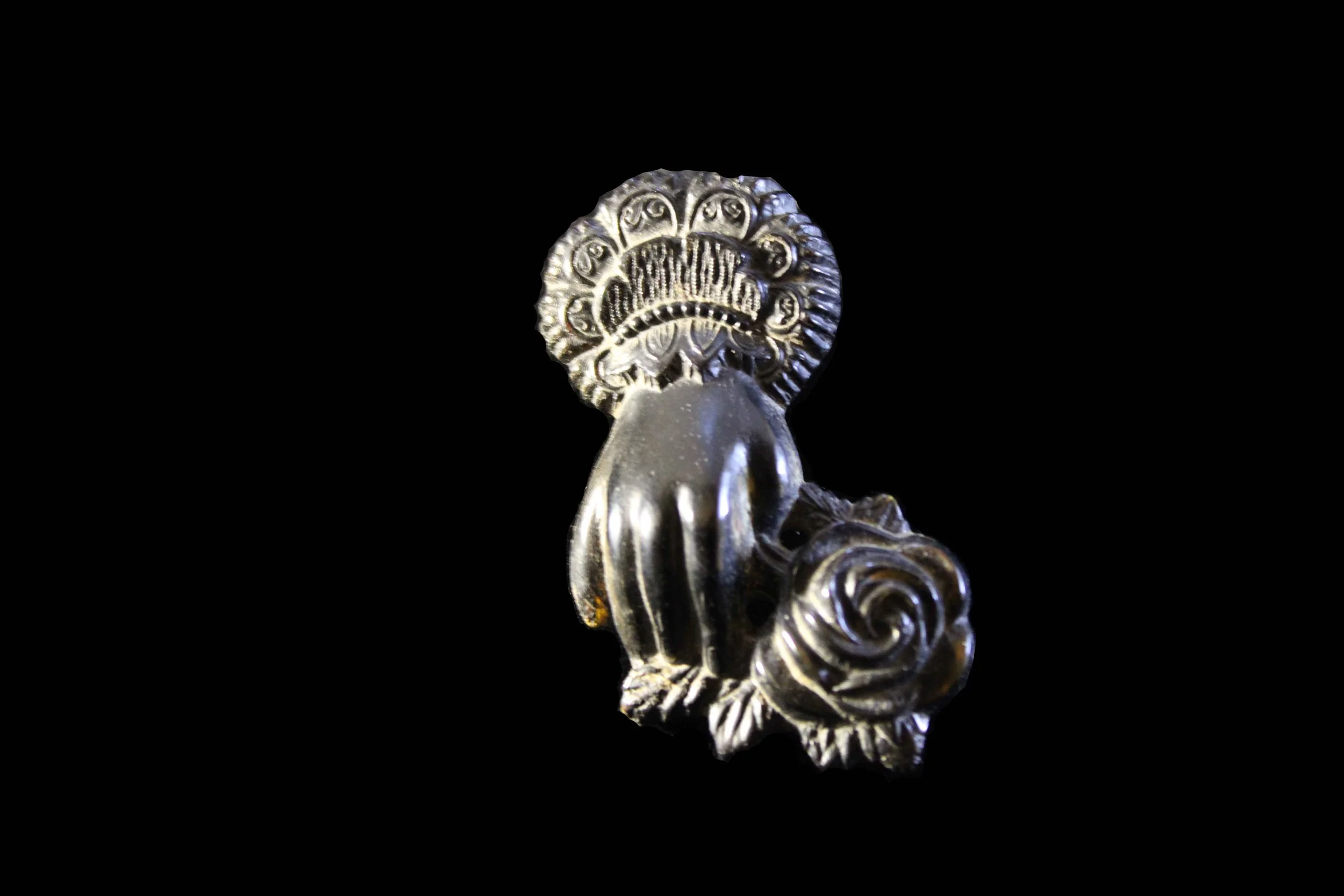
Jet is one of the most historically significant materials used in nineteenth-century jewelry, particularly associated with the traditions of Victorian mourning adornment. Formed from fossilized wood that has undergone millions of years of compression and transformation, jet is an organic gemstone composed primarily of carbon. Its deep, velvety black color and ability to take a high polish made it especially suited to jewelry intended to convey solemnity, remembrance, and refined elegance.
The most celebrated source of jet during the nineteenth century was Whitby, England, a coastal town in North Yorkshire where deposits of high-quality jet were found along the cliffs of the North Sea. Whitby jet became internationally renowned during the Victorian era, and the town developed a thriving industry devoted to the carving and polishing of the material. Skilled artisans transformed raw jet into an array of jewelry forms including brooches, bracelets, necklaces, earrings, and hair ornaments.
Jet possesses unique physical qualities that distinguish it from other black materials used in jewelry. It is relatively lightweight compared with stone and warms quickly to the touch, characteristics that make it comfortable to wear even in large or elaborate designs. The material can also be carved with remarkable precision, allowing artisans to create intricate openwork patterns, floral garlands, scrolls, and symbolic motifs. When polished, jet achieves a soft, reflective sheen that differs from the glassy brilliance of materials such as onyx or black glass.
The popularity of jet jewelry increased dramatically in the mid-nineteenth century following the death of Queen Victoria’s husband, Prince Albert, in 1861. During her long period of mourning, the queen frequently wore jet jewelry, which helped establish the material as the most appropriate adornment for mourning dress throughout Britain and Europe. As a result, jet became closely associated with jewelry designed to commemorate the deceased, though it was also worn as a fashionable accessory beyond strictly mourning contexts.
Victorian jet jewelry often incorporated symbolic motifs connected with remembrance and spirituality. Carved elements such as flowers, crosses, stars, and scrolling foliage were common, as were medallions and lockets intended to hold miniature portraits or hairwork memorials. Because jet could be carved in relatively large pieces, many examples display impressive sculptural qualities, with layered relief designs that demonstrate the skill of the craftsman.
With time, antique jet develops a characteristic patina that collectors value. Fine examples retain crisp carving and a smooth, satin-like polish, revealing the exceptional workmanship of nineteenth-century jet carvers. Today, jet jewelry remains highly sought after not only for its beauty but also for its historical connection to Victorian culture and the rich traditions of mourning jewelry.
As both a material and a cultural symbol, jet represents an important chapter in the history of antique jewelry—where craftsmanship, sentiment, and social tradition intersect in objects of enduring emotional and artistic significance.
Coral in Antique Jewelry: Organic Beauty from the Sea
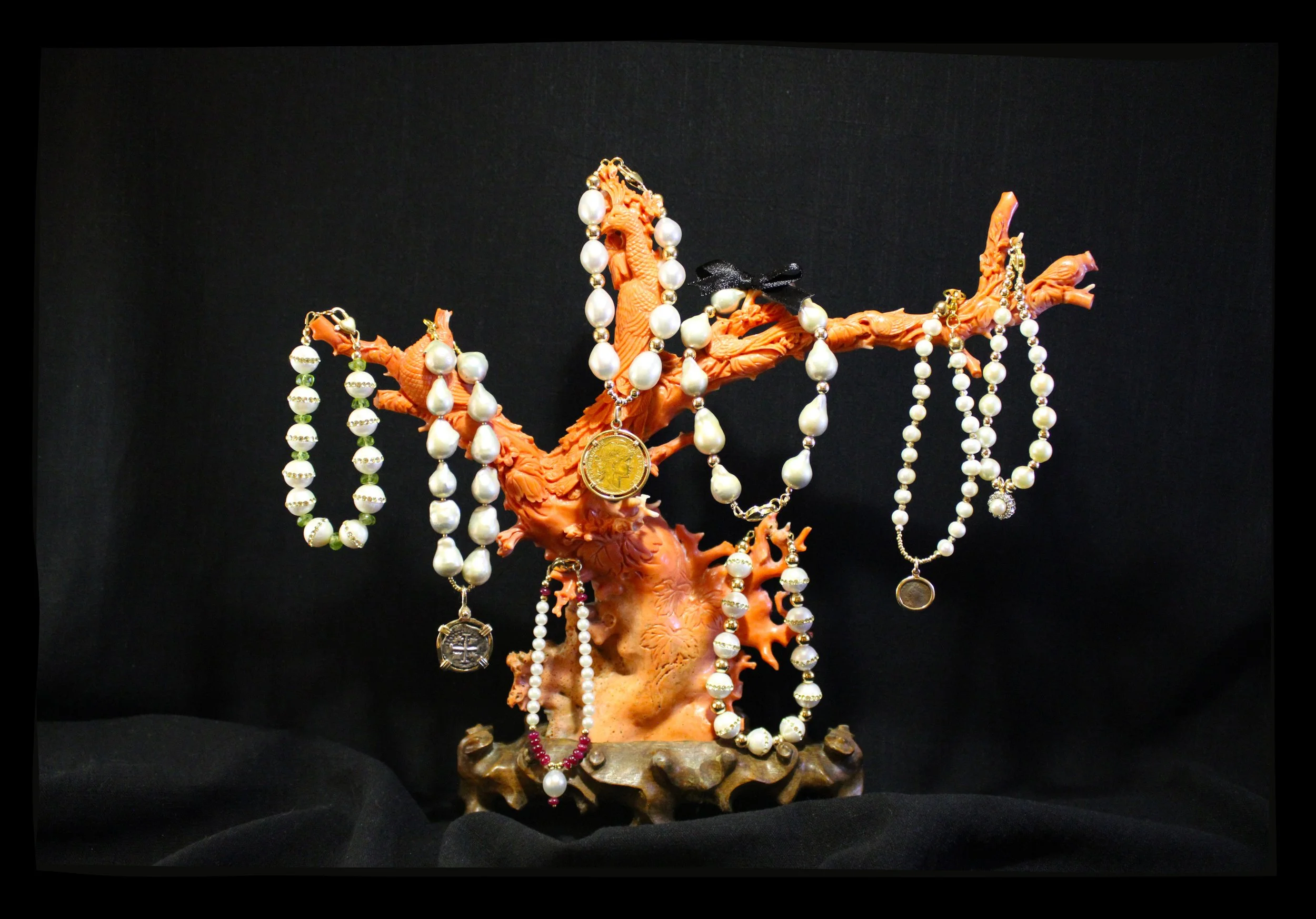
Coral has been treasured in jewelry for centuries as one of the most distinctive organic materials used in adornment. Formed by colonies of tiny marine organisms known as coral polyps, coral develops into branching skeletal structures that can be harvested, shaped, and polished into decorative objects. Its warm coloration—most famously the deep red known as Mediterranean coral—has made it especially prized in jewelry across Europe and the Mediterranean world.
The coral most frequently encountered in antique jewelry is red coral (Corallium rubrum), historically harvested from the Mediterranean Sea, particularly along the coasts of Italy and North Africa. After being brought to shore, coral branches were carefully cut, shaped, and polished to reveal their smooth, luminous surfaces. Skilled artisans transformed the material into beads, cameos, cabochons, and intricately carved sculptures.
Coral jewelry achieved particular popularity during the Georgian and Victorian periods, when it was used to create necklaces, bracelets, brooches, earrings, and ornamental hairpieces. Its vivid natural color required no enhancement, and the material could be polished to a soft, satin-like glow that contrasted beautifully with gold mounts. Coral beads were often strung into graduated necklaces, while carved coral plaques and cameos served as striking focal points in brooches and pendants.
Beyond its visual appeal, coral also carried symbolic and cultural significance. In many European traditions, coral was believed to possess protective properties and was often worn as an amulet against illness or misfortune. During the nineteenth century it was especially popular in jewelry intended for children and young women, where its warm red color was thought to promote vitality and good health. Coral also appeared in sentimental jewelry and decorative pieces influenced by the revival of classical and Mediterranean styles.
Because coral is relatively soft compared with mineral gemstones, antique coral jewelry often reflects careful craftsmanship in both carving and mounting. Artisans selected coral branches for their uniform color and fine texture, then shaped them with delicate tools to produce smooth beads or finely carved motifs such as flowers, cherubs, and mythological figures. The natural variations within coral—subtle striations or tonal shifts—add to the individuality and character of each piece.
Over time, antique coral develops a mellow patina that collectors value, particularly when the surface retains its original polish and vibrant color. Well-preserved examples from the eighteenth and nineteenth centuries demonstrate the skill of coral carvers and the enduring appeal of this remarkable organic material.
Today, coral in antique jewelry remains admired for its sculptural beauty, historical significance, and the centuries-old craftsmanship that transformed marine forms into elegant objects of adornment.
Micro mosaic in Antique Jewelry: Miniature Masterpieces in Stone
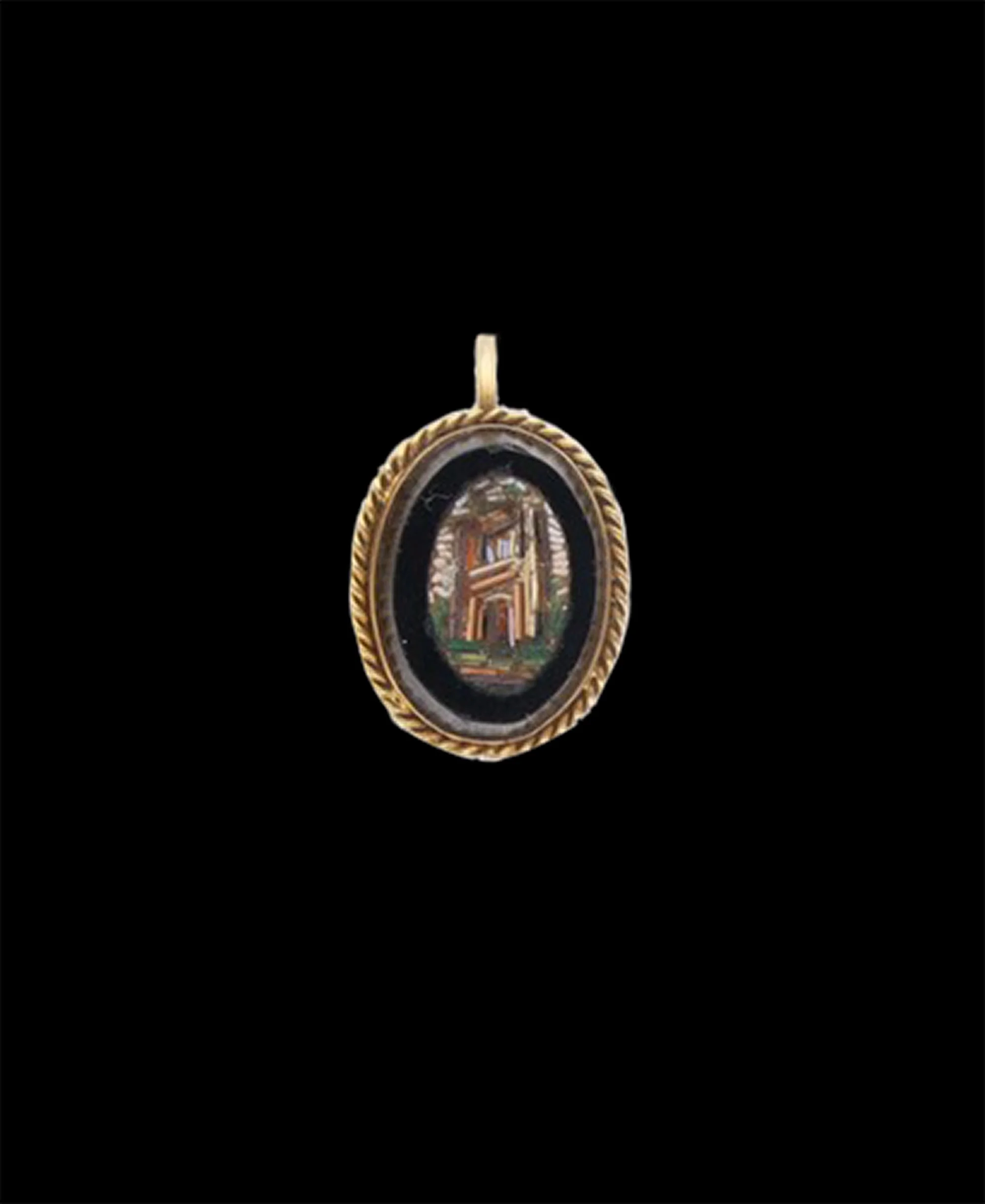
Micro mosaic is one of the most intricate and celebrated decorative techniques in nineteenth-century jewelry. Created from thousands of tiny hand-cut pieces of colored glass or stone known as tesserae, micro mosaic designs form detailed images that resemble miniature paintings. When assembled with extraordinary precision, these tiny fragments create scenes of remarkable clarity and depth, making micro mosaic jewelry among the most technically impressive works of the decorative arts.
The technique traces its origins to the ancient mosaics of the Roman world, but the refined form known as micro mosaic was developed in eighteenth-century Rome, particularly in workshops associated with the Vatican Mosaic Studio. Artisans perfected methods of producing extremely small glass rods in a wide spectrum of colors. These rods were cut into minute segments and carefully arranged by hand to build detailed images on a prepared surface.
During the late eighteenth and nineteenth centuries, micro mosaic jewelry became closely associated with the Grand Tour, the cultural journey undertaken by European and American travelers visiting Italy’s historic cities. Visitors to Rome often purchased micro mosaic brooches, bracelets, and paperweights as souvenirs, many depicting famous landmarks such as the Colosseum, St. Peter’s Basilica, the Roman Forum, or the ruins of Pompeii. These miniature scenes served as lasting reminders of the traveler’s encounter with classical antiquity.
Micro mosaic jewelry was typically mounted in gold or gilt metal frames, which protected the delicate mosaic surface while enhancing the richness of the colors. The tesserae were set into a dark mastic or mortar ground that held the tiny pieces in place. When viewed from a distance, the individual fragments blend seamlessly together, producing images of extraordinary subtlety. Close examination reveals the remarkable precision with which each element was positioned.
The craftsmanship required to produce micro mosaic jewelry was considerable. Artisans had to select and shape individual tesserae, sometimes smaller than a grain of sand, to achieve smooth lines, delicate shading, and intricate details such as architectural elements, flowers, animals, or classical figures. The finest examples demonstrate remarkable gradations of color and a painterly sense of light and perspective.
Today, micro mosaic jewelry is admired as a union of ancient tradition and nineteenth-century artistry. Surviving examples represent not only the technical mastery of Roman mosaic workshops but also the cultural fascination with classical antiquity that defined the Grand Tour era. As wearable works of art composed of countless minute elements, micro mosaic pieces remain among the most captivating and collectible forms of antique jewelry.
Limoges Enamel in Antique Jewelry: Artistry, Porcelain, and Painted Elegance
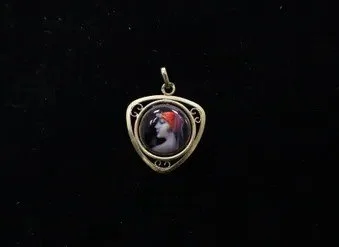
Limoges refers to a historic center of enamel and porcelain production in the city of Limoges in central France, where artisans developed some of the most celebrated decorative techniques in European art. Renowned since the Renaissance for its exceptional enamelwork, Limoges later became equally famous for the production of fine porcelain and delicately painted decorative objects. In antique jewelry, Limoges most often refers to hand-painted enamel plaques or miniature porcelain panels that were incorporated into brooches, pendants, lockets, and decorative accessories.
The tradition of Limoges enamel dates to the fifteenth and sixteenth centuries, when craftsmen in the region perfected techniques for applying colored vitreous enamel onto metal surfaces. These early works often depicted religious or mythological scenes and were admired for their luminous color and painterly detail. By the nineteenth century, Limoges had also become the leading center of porcelain manufacture in France, producing finely fired porcelain objects that could be painted with remarkable precision.
In jewelry of the nineteenth and early twentieth centuries, Limoges plaques frequently featured miniature portrait paintings, pastoral scenes, classical figures, or romantic landscapes rendered with the delicacy of fine miniature painting. Artists worked with extremely fine brushes to apply pigments onto porcelain or enamel surfaces, often firing the piece multiple times to achieve depth and permanence of color. The result was a miniature work of art that combined painting and jewelry into a single object.
Jewelry incorporating Limoges elements was typically mounted in gold, gilt metal, or ornate decorative frames, which protected the delicate painted surface while complementing its refined aesthetic. Brooches and pendants were especially popular forms, allowing the painted image to serve as the central focal point of the design. The contrast between the smooth, luminous porcelain or enamel surface and the surrounding metalwork enhanced the visual richness of the piece.
Because Limoges decoration was executed by hand, each example possesses subtle variations in brushwork, shading, and composition. Fine antique pieces reveal careful modeling of figures, soft transitions of color, and intricate details such as fabric folds, foliage, or architectural elements. These qualities reflect the close relationship between Limoges jewelry and the tradition of European miniature painting, an art form prized for its intimacy and precision.
Today, Limoges pieces incorporated into antique jewelry are valued as small-scale works of decorative art. They embody the fusion of painting, craftsmanship, and luxury materials that characterized much of nineteenth-century European jewelry design. Collectors admire Limoges jewelry not only for its beauty but also for the extraordinary skill required to create such refined painted images on a surface scarcely larger than a coin
Pinchbeck: The Golden Substitute of the Georgian and Victorian World
During the eighteenth and nineteenth centuries, Pinchbeck occupied a unique position within the history of jewelry and decorative arts. Developed in the early eighteenth century by London watchmaker and metalworker Christopher Pinchbeck, this distinctive alloy was designed to imitate the appearance of gold while remaining far more affordable. The material quickly became one of the most recognizable substitutes for precious metal in Georgian and Victorian jewelry.
Pinchbeck is a carefully formulated copper–zinc alloy, similar in composition to brass but refined to produce a warmer, more convincing gold-like color. Unlike many later imitations, the alloy was not plated; rather, its golden tone existed throughout the metal itself. This meant that objects crafted from Pinchbeck retained their color even with wear, a quality that contributed to its widespread popularity.
In the eighteenth and early nineteenth centuries, Pinchbeck jewelry became fashionable among a broad segment of society. While solid gold remained a marker of wealth and status, Pinchbeck allowed individuals to participate in prevailing styles without the expense of precious metal. Items such as lockets, mourning jewelry, watch chains, buckles, chatelaines, and miniature frames were frequently produced in the alloy.
The material was particularly well suited to the culture of sentiment that flourished during the Georgian and Victorian eras. Jewelry served as a carrier of memory, affection, and personal symbolism—containing hair, miniature portraits, or inscriptions commemorating relationships and loss. Pinchbeck offered a practical solution for these deeply personal objects. Because the emotional value of such pieces often far exceeded their intrinsic material worth, the alloy allowed sentimental jewelry to be created and worn without the risks associated with costly gold.
By the mid-nineteenth century, as industrial production expanded and gold-plating technologies improved, Pinchbeck gradually declined in use. Nevertheless, the term remained widely recognized, and the alloy continued to appear in Victorian accessories, particularly in watch-chain components and decorative fittings.
Today, surviving Pinchbeck pieces offer insight into the social history of jewelry and the democratization of fashion during the eighteenth and nineteenth centuries. Far from being merely an imitation, Pinchbeck represents a fascinating chapter in the story of how design, craftsmanship, and sentiment intersected to create objects that were both beautiful and accessible.