

The Symbolism of Freemasonry in Jewelry and Decorative Arts
Brotherhood, Enlightenment, and the Language of Moral Virtue
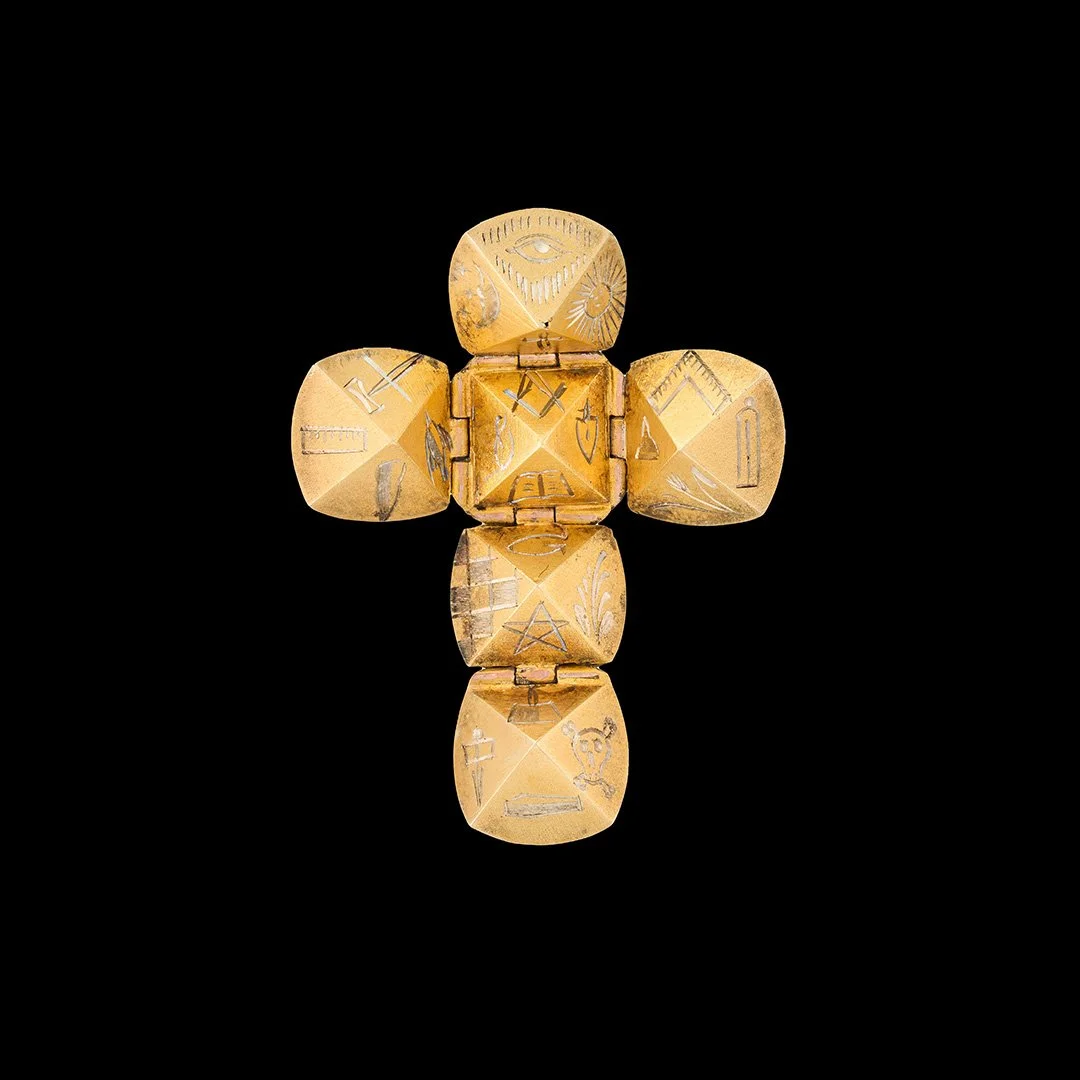
Among the symbolic traditions that appear in antique jewelry and decorative arts, the imagery associated with Freemasonry occupies a distinctive place. Rooted in centuries-old fraternal traditions, Masonic symbols communicate ideals of brotherhood, moral conduct, and intellectual enlightenment. When incorporated into jewelry, these motifs served not only as personal adornment but also as visible emblems of membership and philosophical identity.
Origins of the Masonic Order
Freemasonry emerged in its modern form during the early eighteenth century, when fraternal lodges began to organize across Britain and Europe. While the order drew inspiration from the traditions of medieval stonemasons’ guilds, it quickly evolved into a philosophical society devoted to the principles of ethical conduct, charity, education, and mutual support.
Members identified themselves through a shared symbolic language derived from the tools and practices of architecture and stoneworking. These symbols were understood not only as references to craft but as moral metaphors, reflecting the belief that individuals should refine their character as a mason shapes stone.
Symbolism of the Square and Compasses
The most widely recognized emblem of Freemasonry is the square and compasses. These tools, essential to architectural design, represent two complementary ideals.
The square symbolizes moral rectitude—acting honestly and justly toward others.
The compasses represent self-restraint and the ability to keep one’s passions within proper bounds.
Together, the symbols express the Masonic aspiration to live a balanced and virtuous life governed by reason and ethical discipline.
The All-Seeing Eye
Another motif frequently associated with Masonic imagery is the All-Seeing Eye, sometimes called the Eye of Providence. Within Masonic symbolism, the eye represents divine awareness and the idea that human actions occur under the observation of a higher moral authority.
The symbol reinforces the principle that individuals should strive to live with integrity, mindful that their conduct contributes to the moral structure of society.
The Pillars of Wisdom and Strength
Many Masonic symbols draw inspiration from architectural elements. Among these are the twin pillars, often interpreted as representing wisdom and strength. In Masonic philosophy they refer to the intellectual and moral foundations required to build a just and enlightened society.
Architectural imagery served as a powerful metaphor for the organization’s central idea: that humanity itself is engaged in the ongoing construction of a symbolic temple built from knowledge, virtue, and cooperation.
Masonic Jewelry and Personal Identity
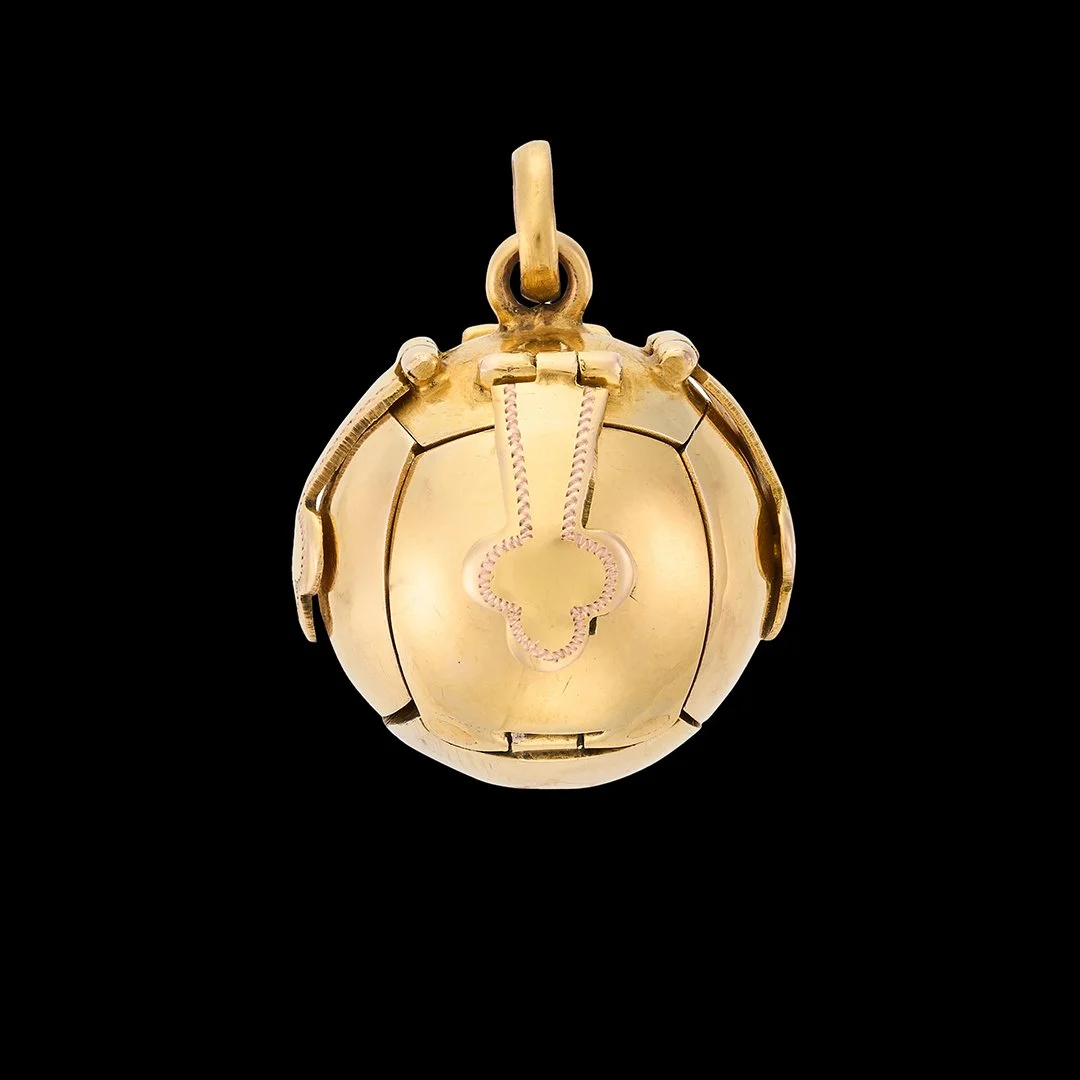
Beginning in the eighteenth century, members of the Masonic order often wore jewelry bearing these symbols. Rings, pendants, watch fobs, and badges allowed individuals to signal their affiliation while also expressing their commitment to the order’s ideals.
Such pieces were not merely decorative. They served as tokens of fraternity and recognition, connecting members of the organization across regions and generations.
In the nineteenth century, as Freemasonry spread throughout Europe and North America, Masonic jewelry became increasingly elaborate. Gold, enamel, and gemstones were used to render symbolic devices in miniature form, transforming philosophical concepts into objects of craftsmanship and personal significance.
Meaning Beyond Ornament
The symbolism of Freemasonry reflects a broader tradition in which jewelry acts as a vehicle for ideas. Rather than functioning solely as adornment, Masonic objects conveyed values that members sought to embody in daily life: integrity, knowledge, charity, and fellowship.
Today these objects remain important artifacts of cultural history. They illustrate how symbolic imagery can transform everyday items into expressions of belief, identity, and shared tradition.
Within the decorative arts, Masonic jewelry stands as a reminder that ornament often carries meaning far beyond its material form—serving as a visible language through which individuals express both personal and philosophical allegiance.