

Skull Symbolism Memento Mori Rings — Collector’s Explanation
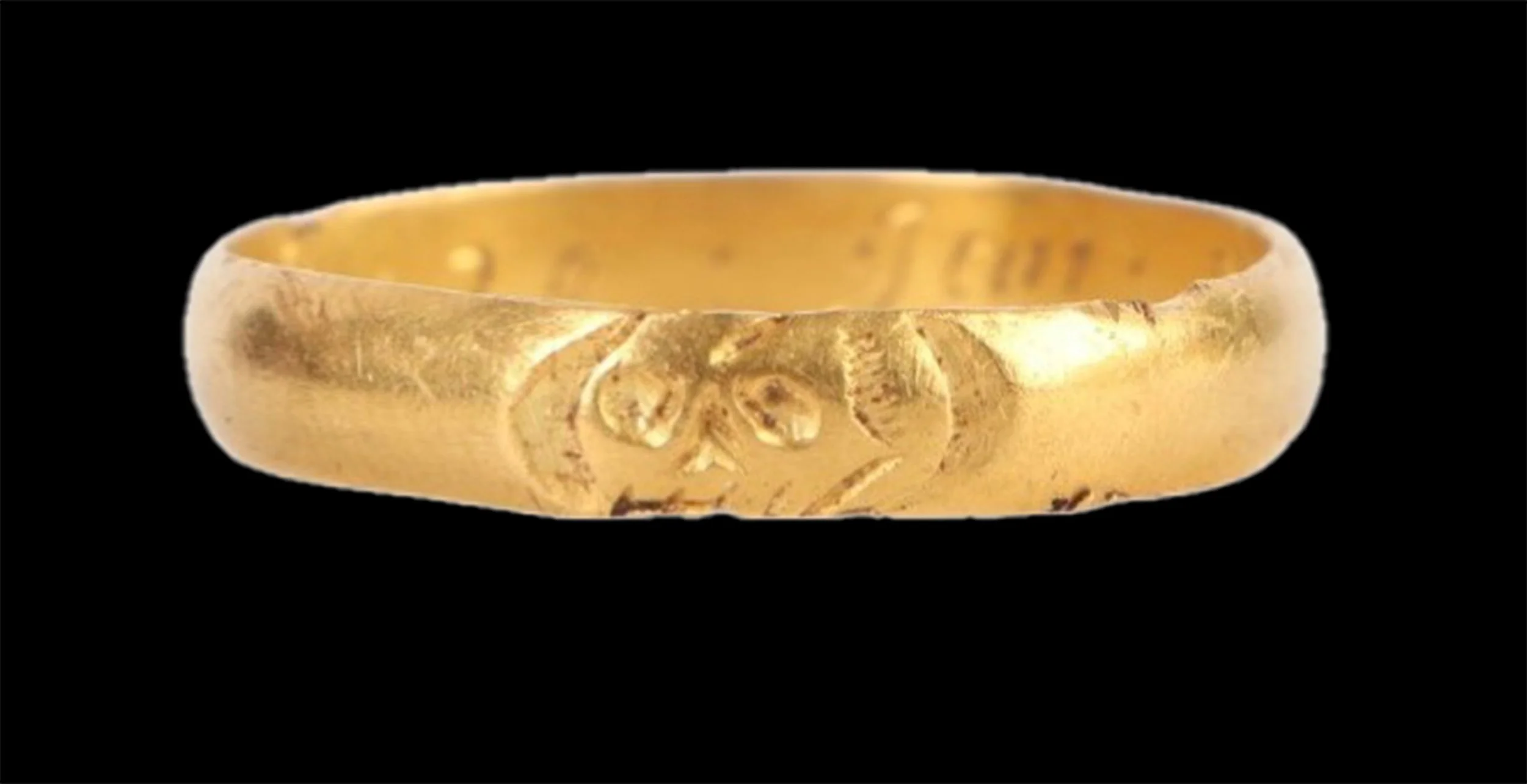
What “Memento Mori” Really Means
From the Latin—“remember you must die”—memento mori is not morbid for its own sake. In the 16th–17th centuries it functioned as a moral compass: a daily prompt to live deliberately, prepare the soul, and keep worldly ambition in proportion to life’s brevity.
Rings were the most intimate form of this philosophy—worn on the body, touched constantly, impossible to ignore.
The Skull: The Most Direct Symbol of Truth
Among all memento mori motifs (hourglasses, coffins, bones), the skull is the most uncompromising. It does not suggest death—it states it.
Why the Skull Was Used
Universality: Strips away identity—rank, wealth, beauty—all end the same
Immediacy: No allegory required; instantly understood
Moral clarity: A visual sermon without words
In a 17th-century context, this was not decorative. It was instructional.
How to Read Skull Motifs on Rings
1. Orientation (Frontal vs. Three-Quarter)
Frontal skulls: Confrontational, moral warning
Three-quarter view: More naturalistic, emerging realism of late 1600s England
This shift reflects broader artistic movement toward observation rather than pure symbolism.
2. Eyes
Deep, hollow sockets = emptiness / inevitability
Occasionally recessed or shaded = attempt to create lifelike depth
3. Teeth & Jaw
Often simplified or partially worn away
Not anatomical accuracy—just enough to signal decay
4. Cranial Shape
Elongated or stylized skulls are common
Not a flaw—this reflects engraving limitations and aesthetic conventions
The Inscription: Personalizing Mortality
Most memento mori rings combine symbol + text:
Skull = universal truth
Inscription = specific death
Typical formats:
Date of death
Initials of the deceased
Occasionally moral phrases
This duality transforms the ring from philosophy → memorial object
Memento Mori vs. Later Mourning Jewelry
17th century- Stark, intellectual Skull, bones, direct mortality
18th century - Transitional, More refined engraving
Victorian era - Sentimental, Hairwork, angels, softness
Cultural Context: Why This Was Worn
In late 17th-century England:
Death was visible and frequent
Religion emphasized preparedness for judgment
Jewelry functioned as portable theology
Wearing a skull ring meant:
“I acknowledge death—and I live accordingly.”
Why Skull Rings Endure
Modern collectors are drawn to these pieces not for morbidity—but for:
Philosophical depth (rare in jewelry today)
Visual clarity (instantly recognizable symbol)
Historical authenticity (unaltered message across centuries)
They feel honest in a way modern luxury rarely does.
Memento mori skull rings are not simply about death.
It is about:
Time
Memory
Accountability
The value of a life precisely because it ends
And that is why, over 300 years later, it still resonates—perhaps even more powerfully now.