

Gold Mounted Coin Pendants: Currency Transformed into Jewels
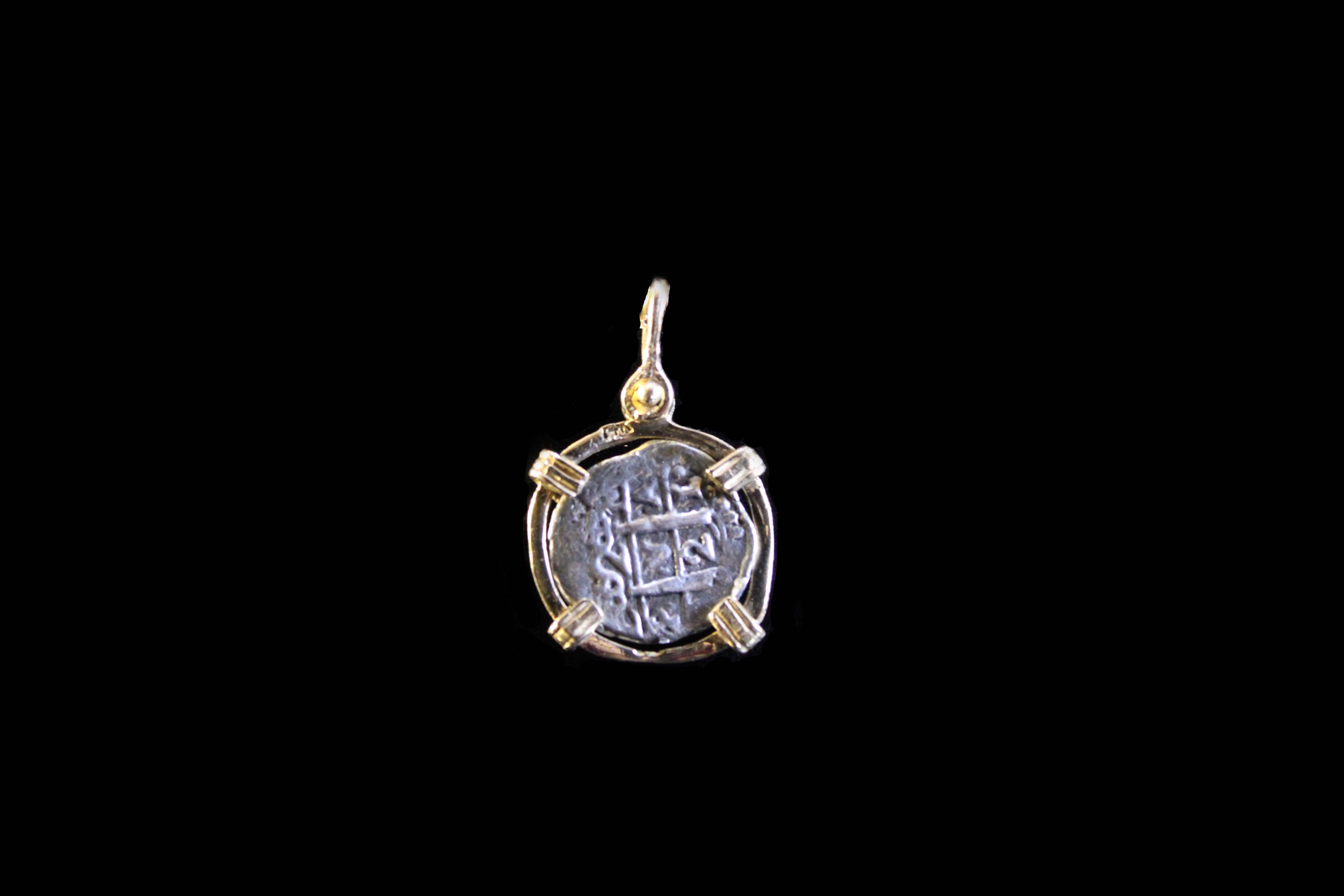
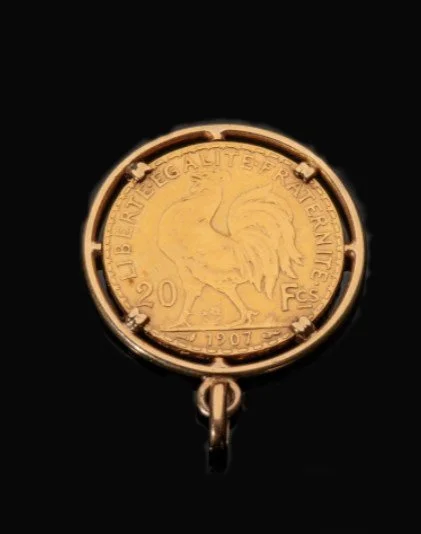
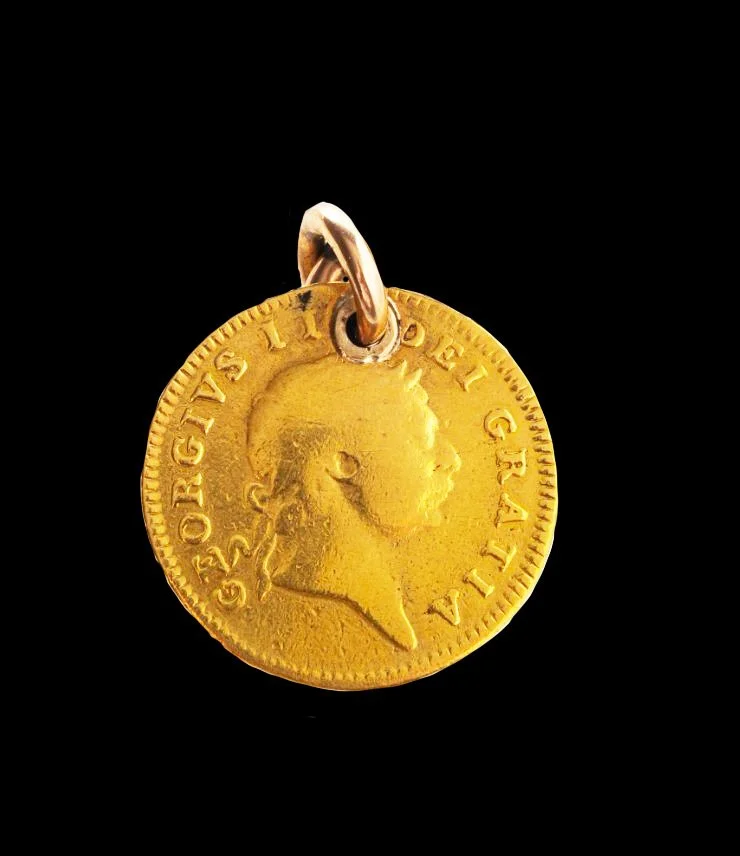
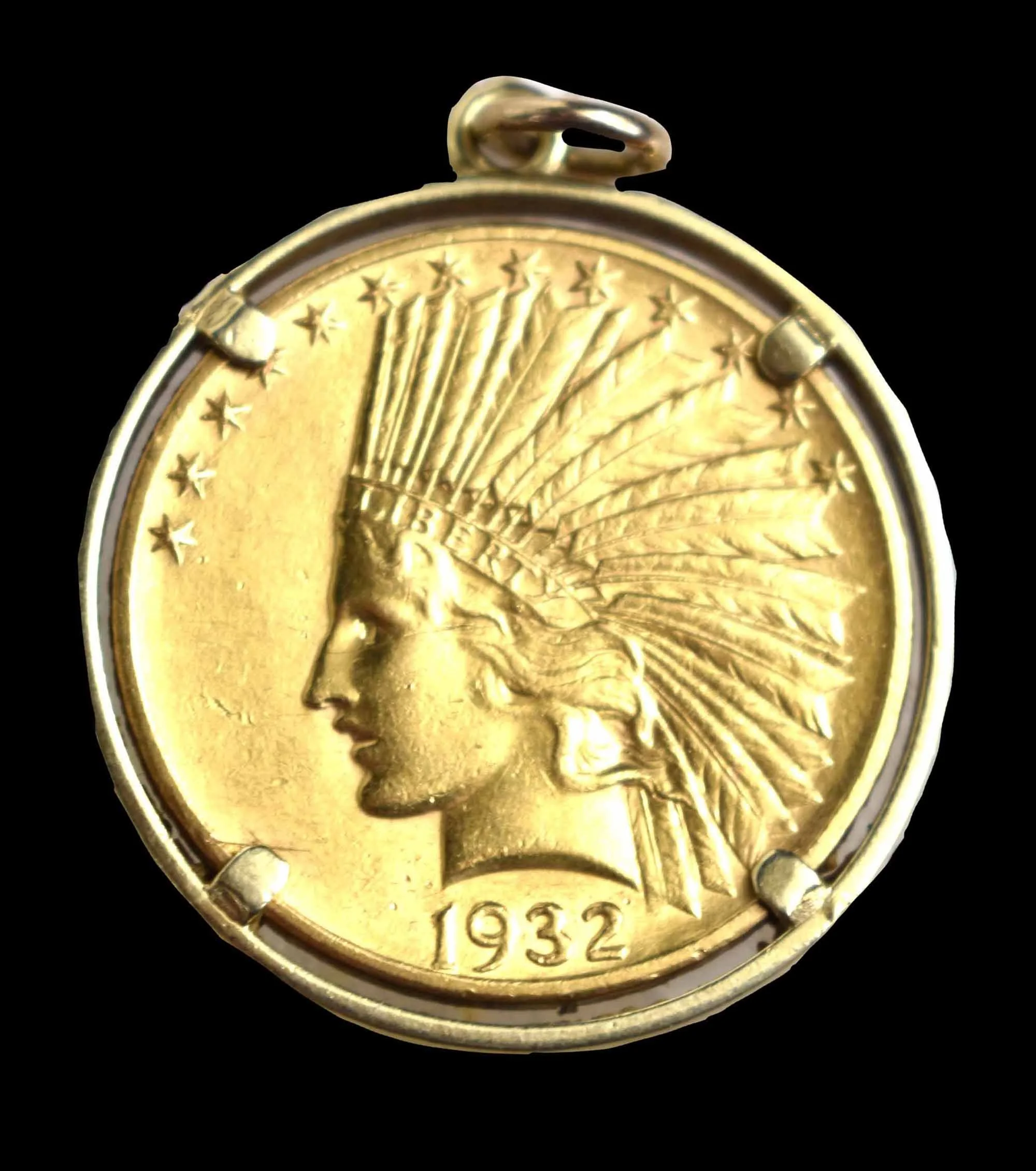
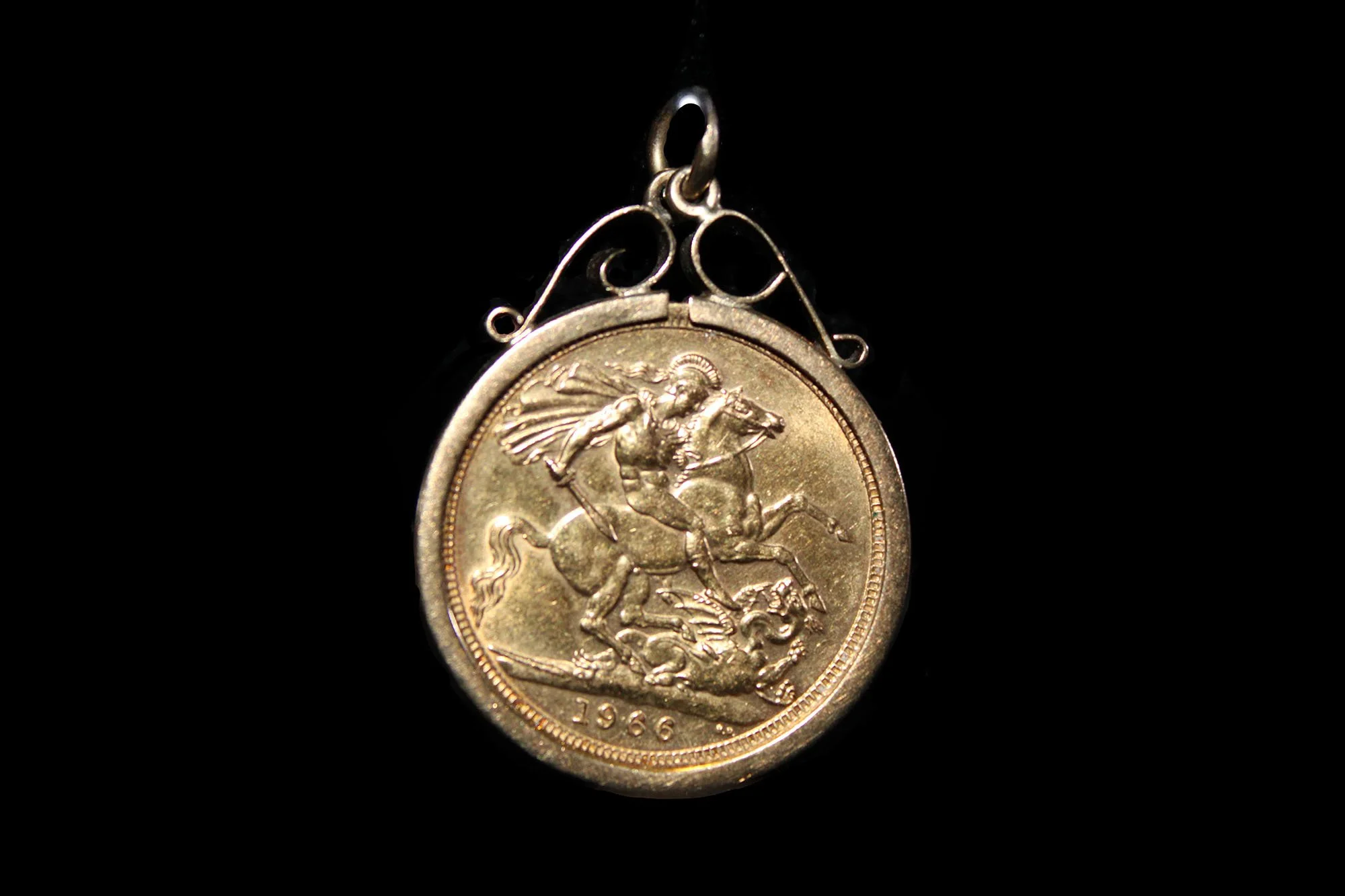
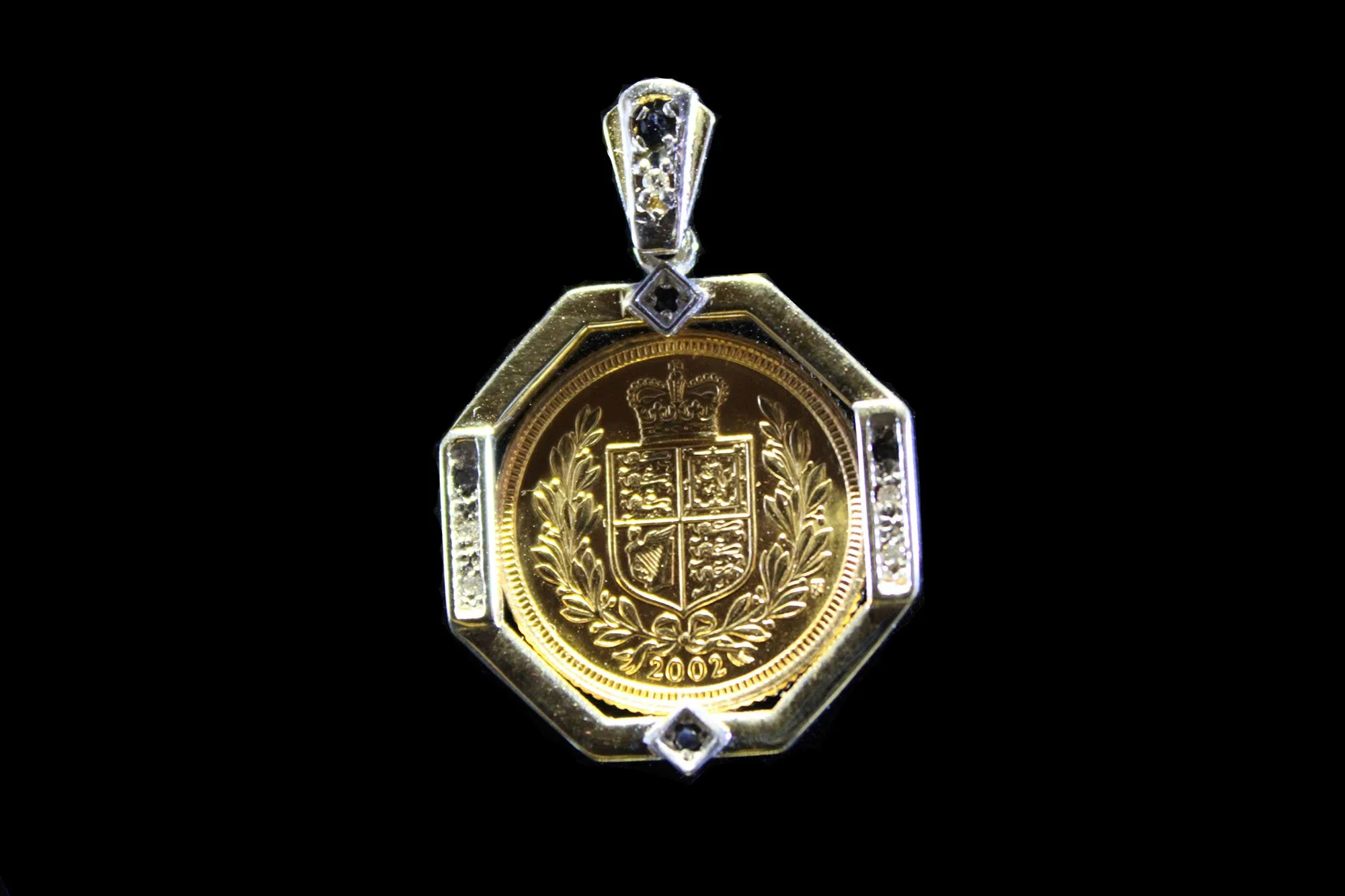
Gold coin pendants occupy a singular place in the history of adornment, where the boundary between wealth and sentiment dissolves. Originally struck as instruments of exchange, coins were designed to circulate—handled, traded, and dispersed. Yet when mounted as jewelry, the coin is deliberately withdrawn from this cycle of commerce and transformed into a permanent, personal object. It becomes something not to be spent, but to be kept.
This act of transformation lies at the heart of the coin pendant’s symbolism. The coin, once a measure of value, is reimagined as a vessel of meaning. Its gold—long associated with incorruptibility, immortality, and divine light—reinforces the idea of permanence. Worn against the body, the coin assumes a talismanic function: a quiet guardian of fortune, stability, and protection.
Historically, coins bore the images of rulers, deities, or national emblems, embedding them with authority and identity. When worn as pendants, these images were not merely decorative; they carried symbolic power. A sovereign’s profile could signify allegiance or continuity, while mythic scenes—such as Saint George overcoming the dragon—evoked triumph over adversity, moral strength, and divine protection. In this way, the pendant becomes both an emblem of wealth and a statement of belief.
Gold coin pendants were frequently exchanged at pivotal moments in life. Given at birth, they served as blessings for prosperity and protection. Offered in marriage or courtship, they embodied both emotional devotion and material security—love expressed not only in sentiment, but in substance. During periods of travel, migration, or uncertainty, such objects could also function as discreet stores of portable wealth, merging adornment with survival.
The mounting itself—often executed in gold with delicate scrollwork, loops, or engraved settings—further elevates the coin’s status. It frames the object as worthy of preservation, transforming a standardized piece of currency into a unique artifact. This interplay between uniformity and individuality is central to the coin pendant’s enduring appeal: each coin carries a shared history, yet each mounting tells a personal story.
With the passage of time, gold coin pendants have come to be understood not only as jewelry, but as intimate historical documents. They preserve the imagery, politics, and craftsmanship of their era, while also bearing witness to the lives of those who chose to wear them. Removed from circulation, they resist the ephemerality of commerce and instead assert continuity—linking past and present through material permanence.
In the context of symbolic jewelry, the gold coin pendant stands as a powerful paradox: an object once meant to be exchanged, now cherished as an enduring emblem of value, identity, and memory.