

The Enduring Symbolism of Antique Lockets
Jewelry as Memory, Devotion, and Personal Reliquary
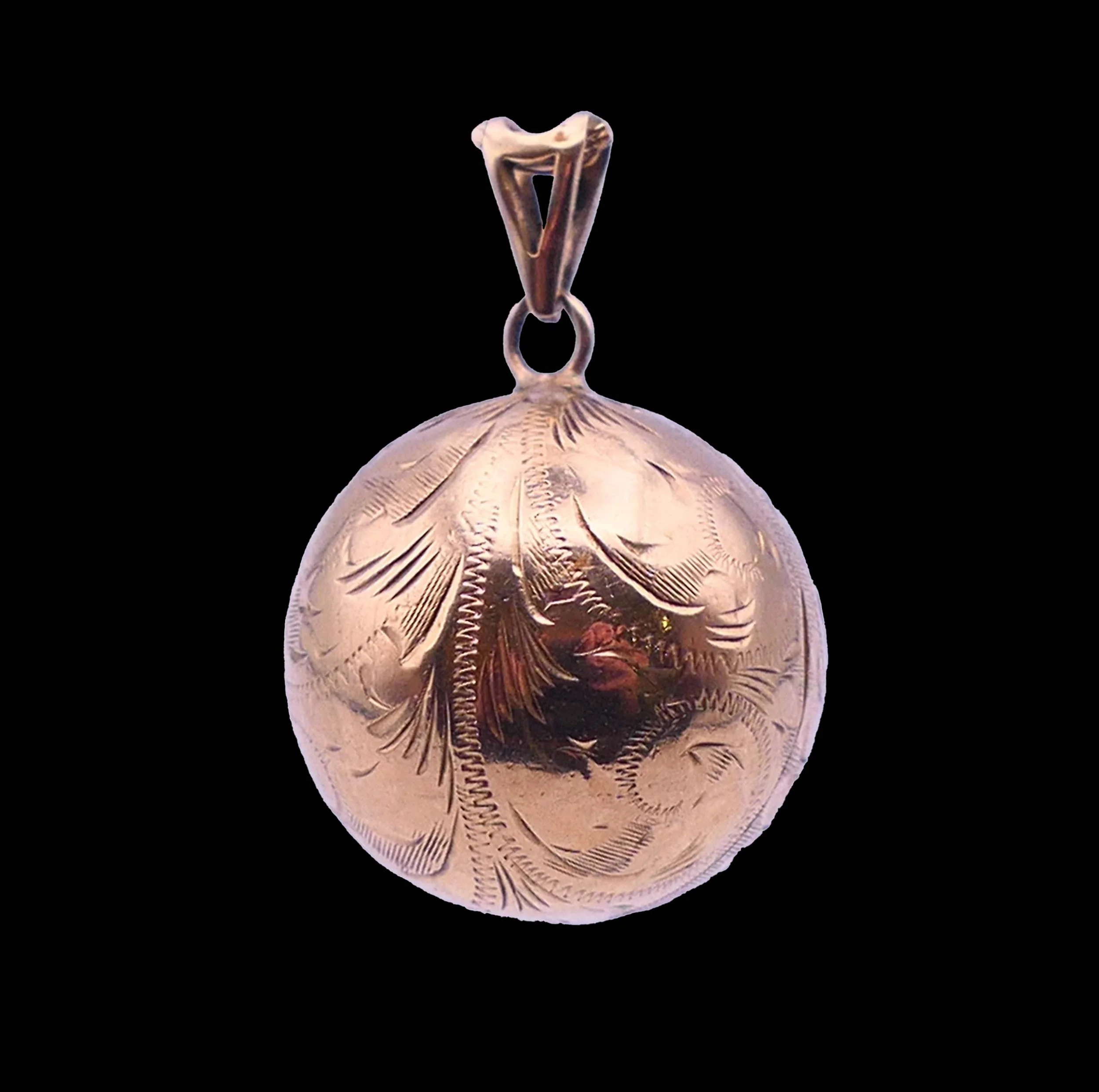
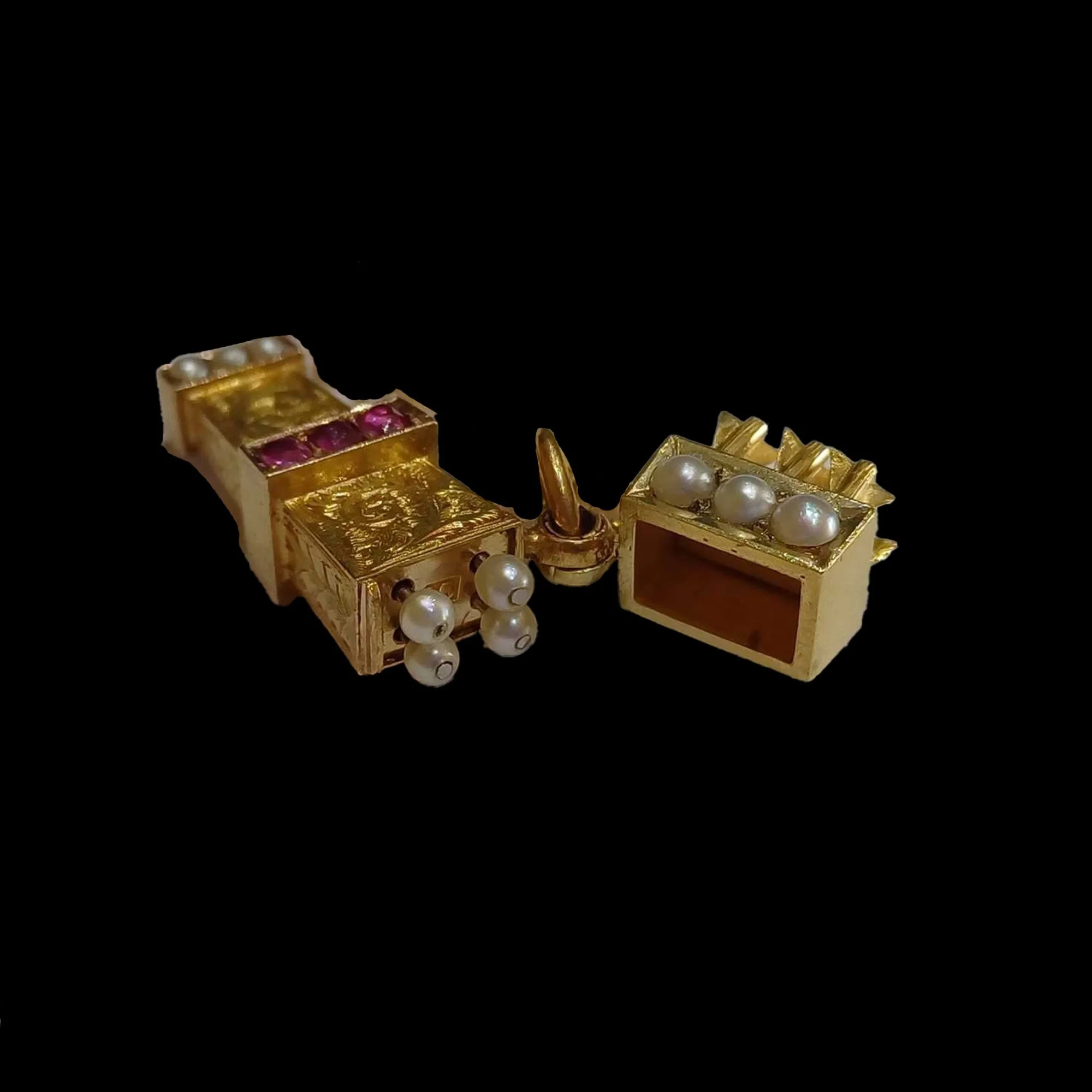
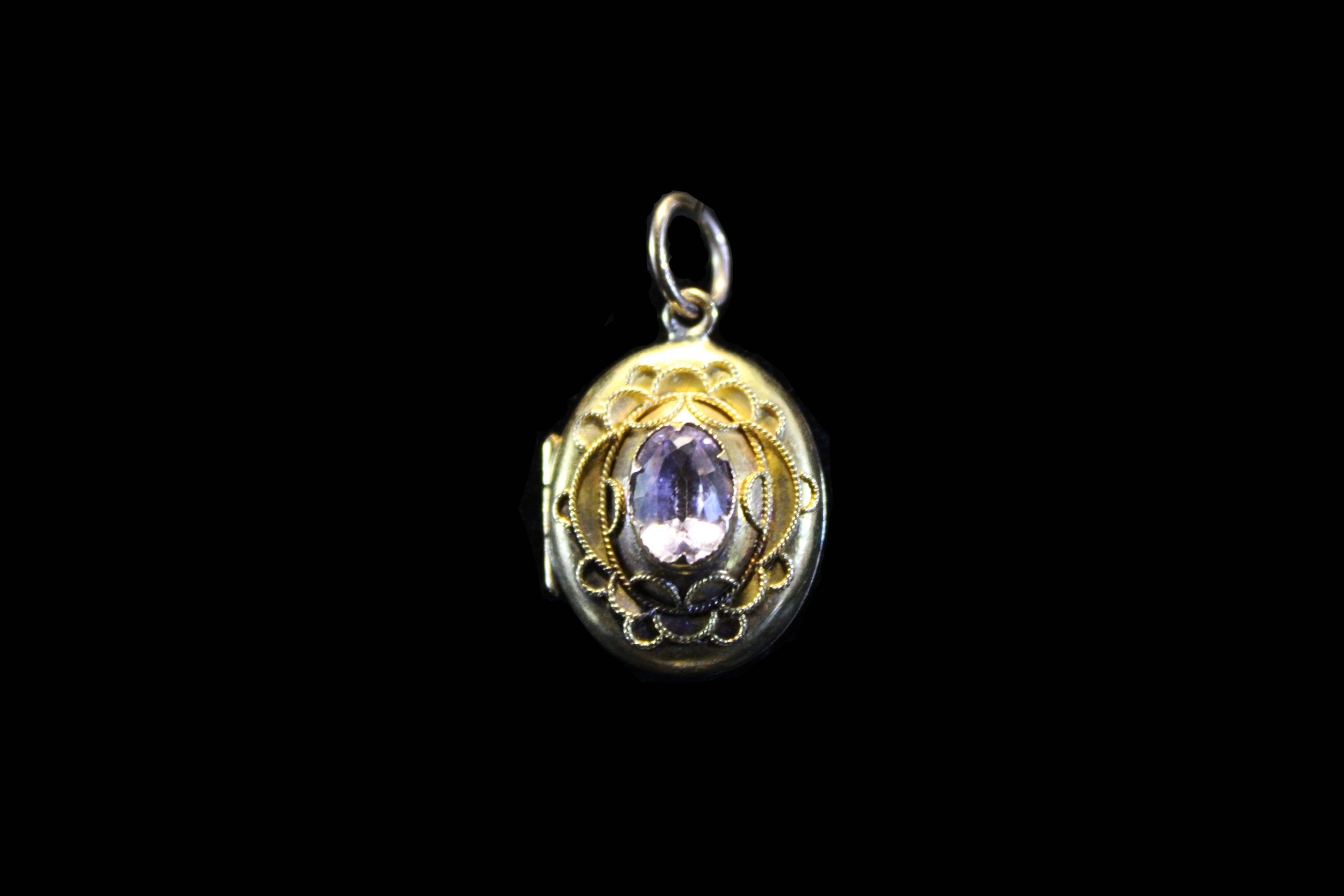
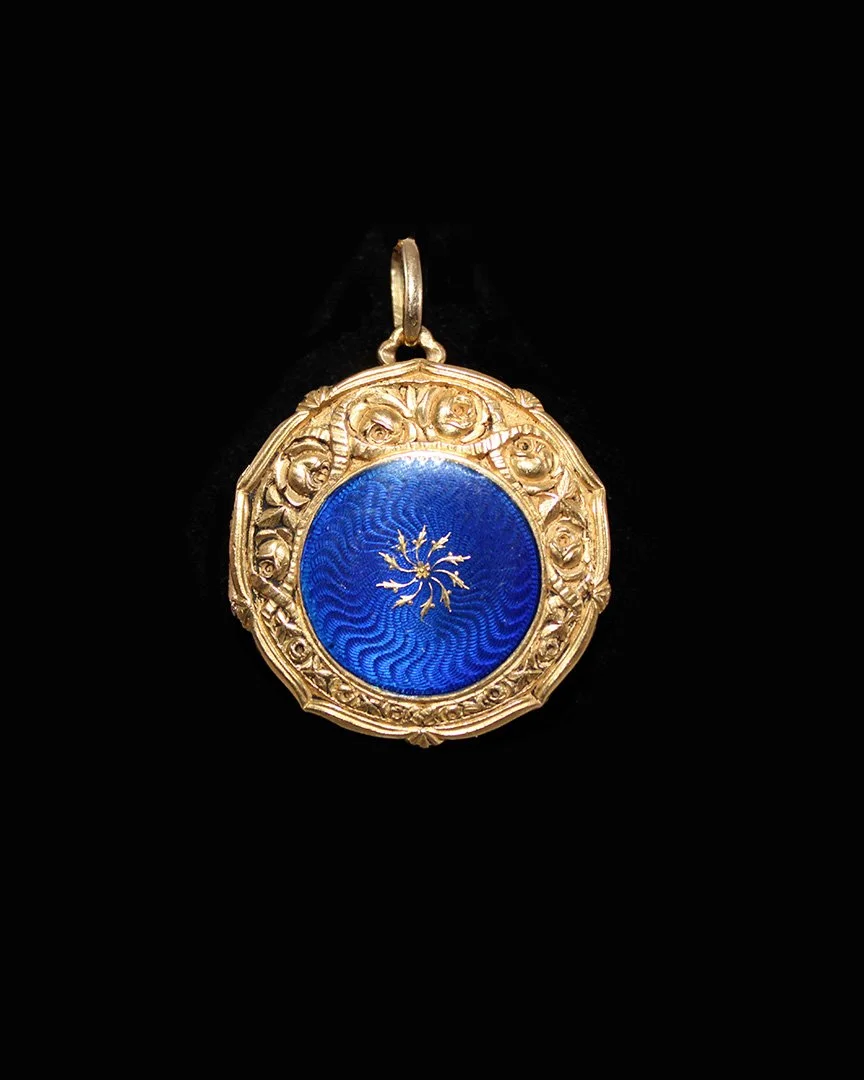
Among all forms of sentimental jewelry, the locket occupies a singular place in the history of personal adornment. More than ornament, the locket functioned as a miniature reliquary—an object designed to preserve memory, devotion, and emotional connection. Worn close to the heart, lockets were intimate vessels intended to hold what could not otherwise be kept: the likeness, hair, or written words of someone loved.
From the eighteenth through the early twentieth centuries, lockets became one of the most powerful symbolic forms in Western jewelry, embodying the Victorian era’s profound fascination with memory, sentiment, and the physical preservation of affection.
The Locket as a Portable Memory
At its most fundamental level, the symbolism of the locket lies in its capacity to contain memory.
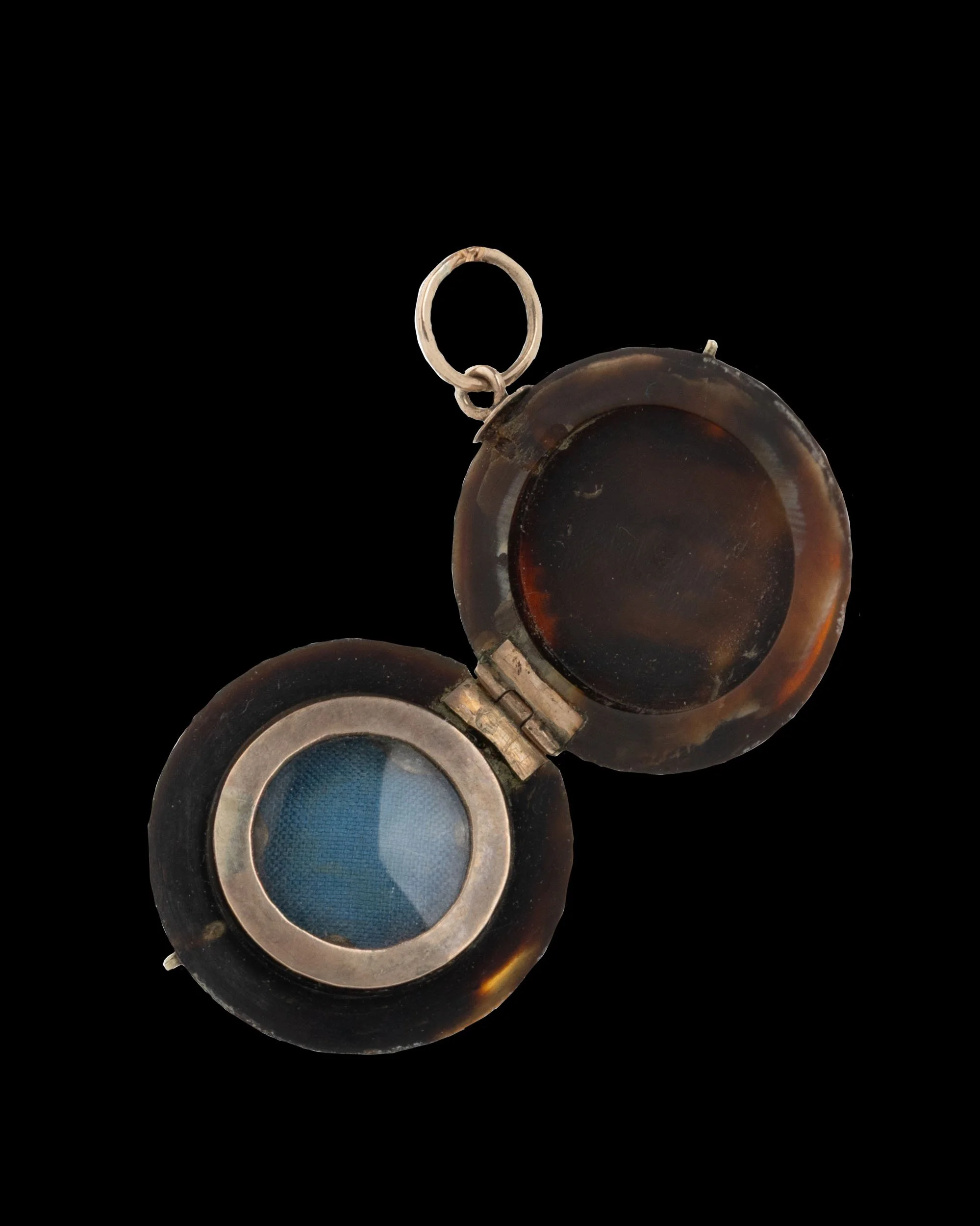
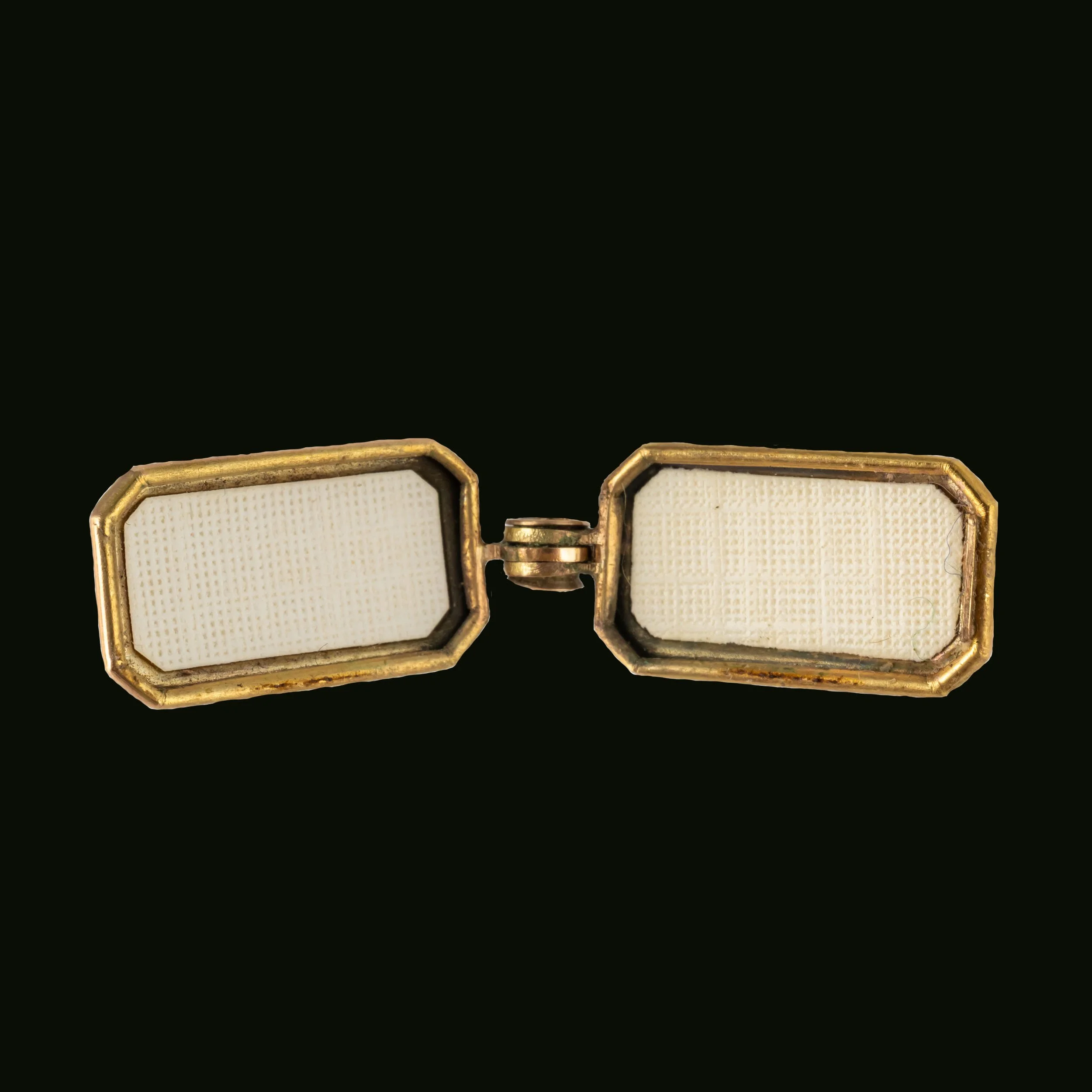
Unlike other jewelry forms that display their meaning openly, a locket conceals its significance within. Inside its hinged chamber might rest:
A painted portrait miniature
A photograph of a loved one
A woven lock of hair
A small letter or scrap of handwriting
A pressed flower or devotional image
These hidden contents transformed the locket into a deeply personal object—one whose true meaning was known only to the wearer.
Victorian writers frequently described such objects as “treasures of the heart.”
The Symbolism of Concealment
The hinged construction of the locket carries its own symbolism. The act of opening and closing the jewel reflects the boundary between private emotion and public appearance.
When closed, the locket appears as a decorative ornament.
When opened, it reveals a private interior world.
This duality made lockets especially powerful tokens of:
Romantic devotion
Familial affection
Secret love
Personal remembrance
The wearer alone controlled when the interior would be revealed, reinforcing the idea that the jewel guarded something intimate and sacred.
Lockets and the Culture of Mourning
During the nineteenth century, lockets became closely associated with mourning practices.
In the Victorian period, it was common to preserve a lock of hair from a deceased loved one. Hair, unlike other parts of the body, does not decay quickly, making it a powerful material symbolizing continuity beyond death.
Mourning lockets often contained:
Hair arranged in intricate woven patterns
Miniature portraits of the deceased
Black enamel inscriptions such as “In Memory Of”
Dates of birth and death
These jewels functioned as portable memorials, allowing the wearer to carry a physical reminder of the departed.
Rather than representing morbidity, such objects expressed the Victorian belief that love could endure beyond mortality.
Romantic Lockets and Secret Devotion
Not all lockets were associated with loss. Many served as symbols of romantic attachment.
In courtship traditions of the eighteenth and nineteenth centuries, lovers exchanged portrait miniatures and hair tokens as proof of affection. Lockets allowed these personal objects to be worn discreetly beneath clothing or close to the heart.
The symbolism here was clear:
The beloved is literally carried with the wearer.
This idea appears frequently in romantic literature of the period, where lockets often function as narrative objects—symbols of fidelity, longing, or remembrance.
The Locket as a Personal Reliquary
In a broader sense, antique lockets share a conceptual lineage with religious reliquaries. Medieval reliquaries preserved the bones or possessions of saints; nineteenth-century lockets preserved the relics of everyday human love.
Both forms express the same fundamental belief:
Physical objects can hold emotional and spiritual meaning.
By enclosing something precious inside gold, the locket transforms ordinary materials—hair, paper, photographs—into sacred keepsakes.
The Enduring Symbol
Today, antique lockets continue to resonate because their symbolism remains universally understood. Even without knowing their original contents, we recognize their purpose: to hold something meaningful.
They represent:
Memory
Devotion
Personal history
The desire to preserve emotional connection across time
In this sense, the antique locket is more than jewelry. It is a small archive of human feeling—an object designed not simply to adorn the body, but to safeguard the stories closest to the heart.