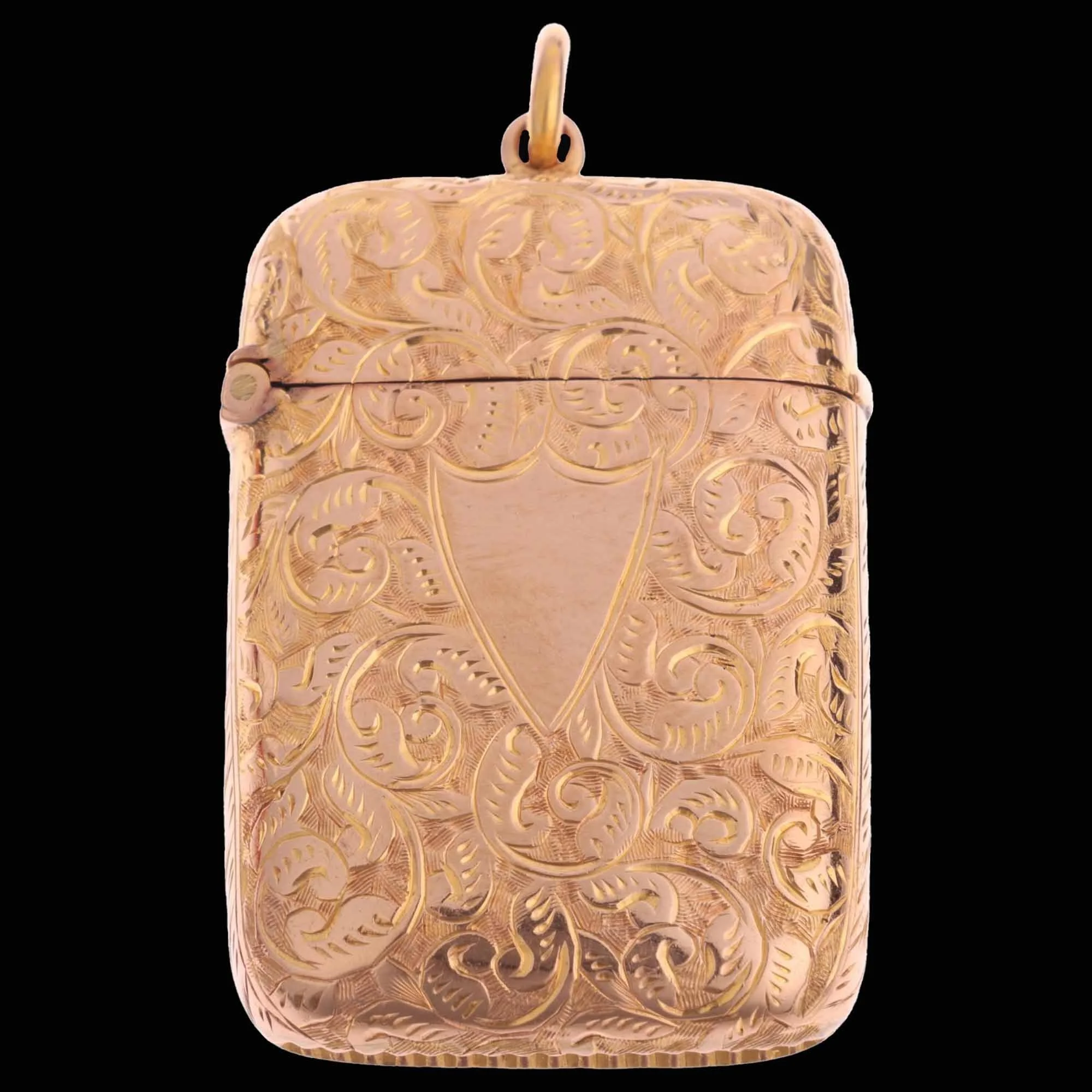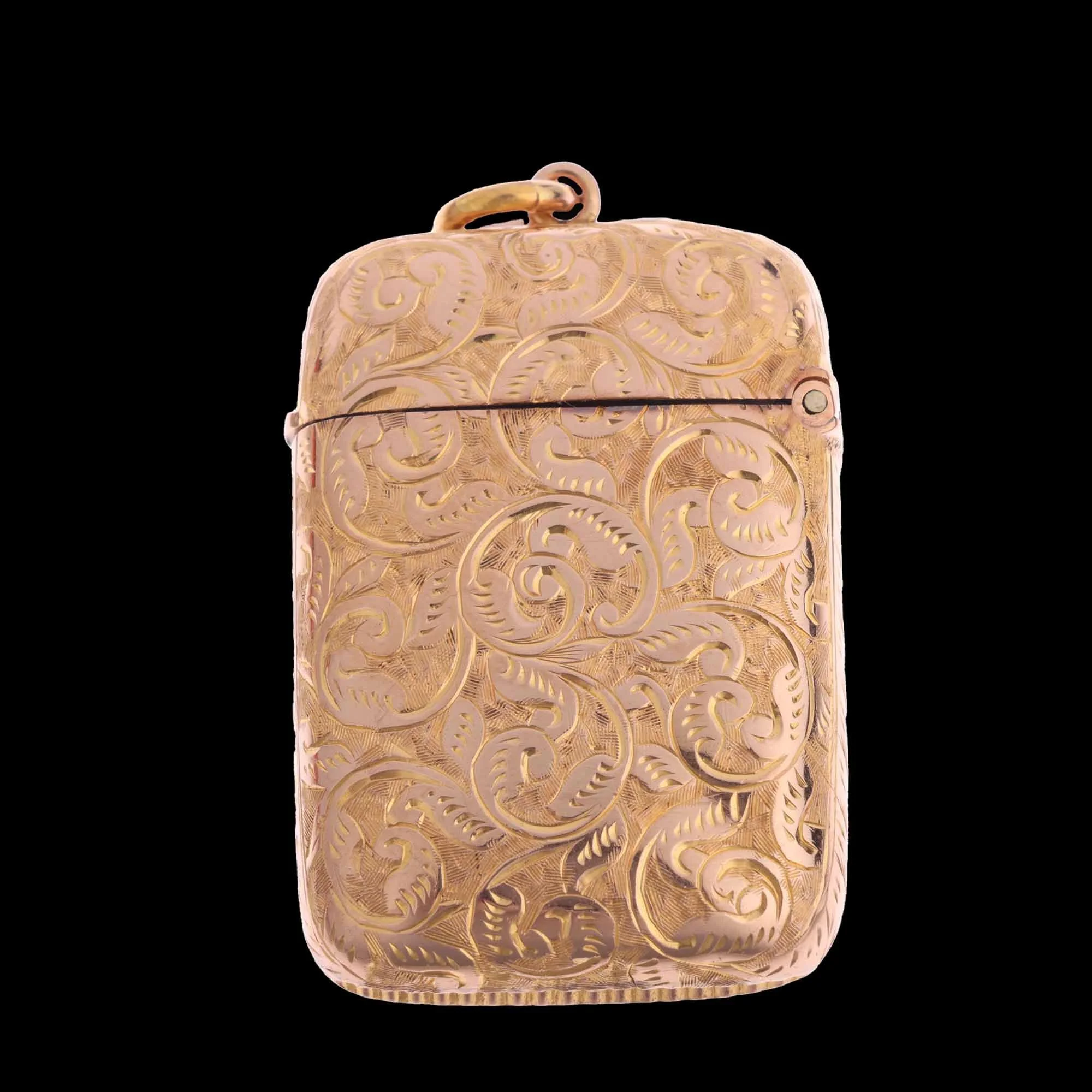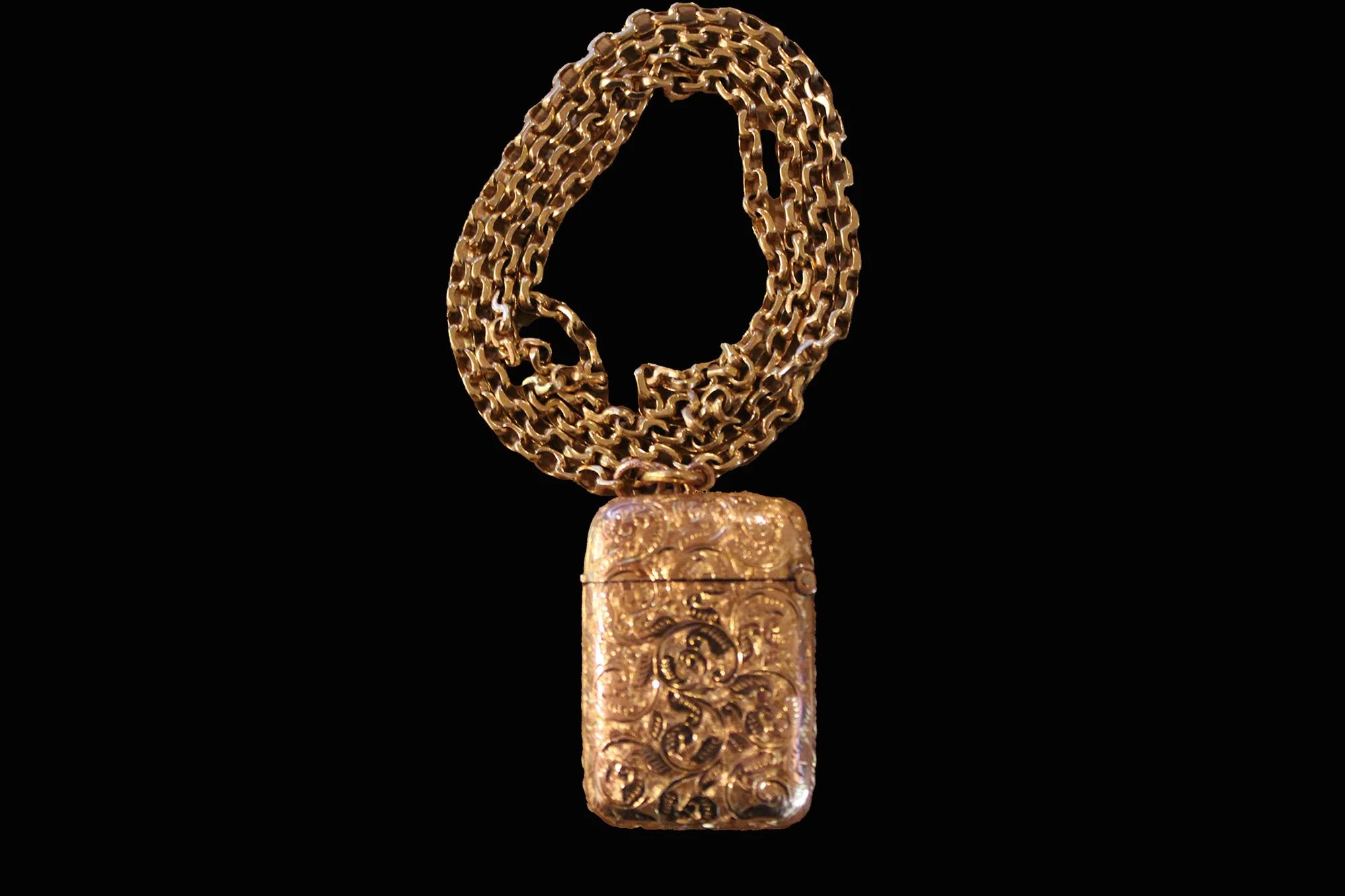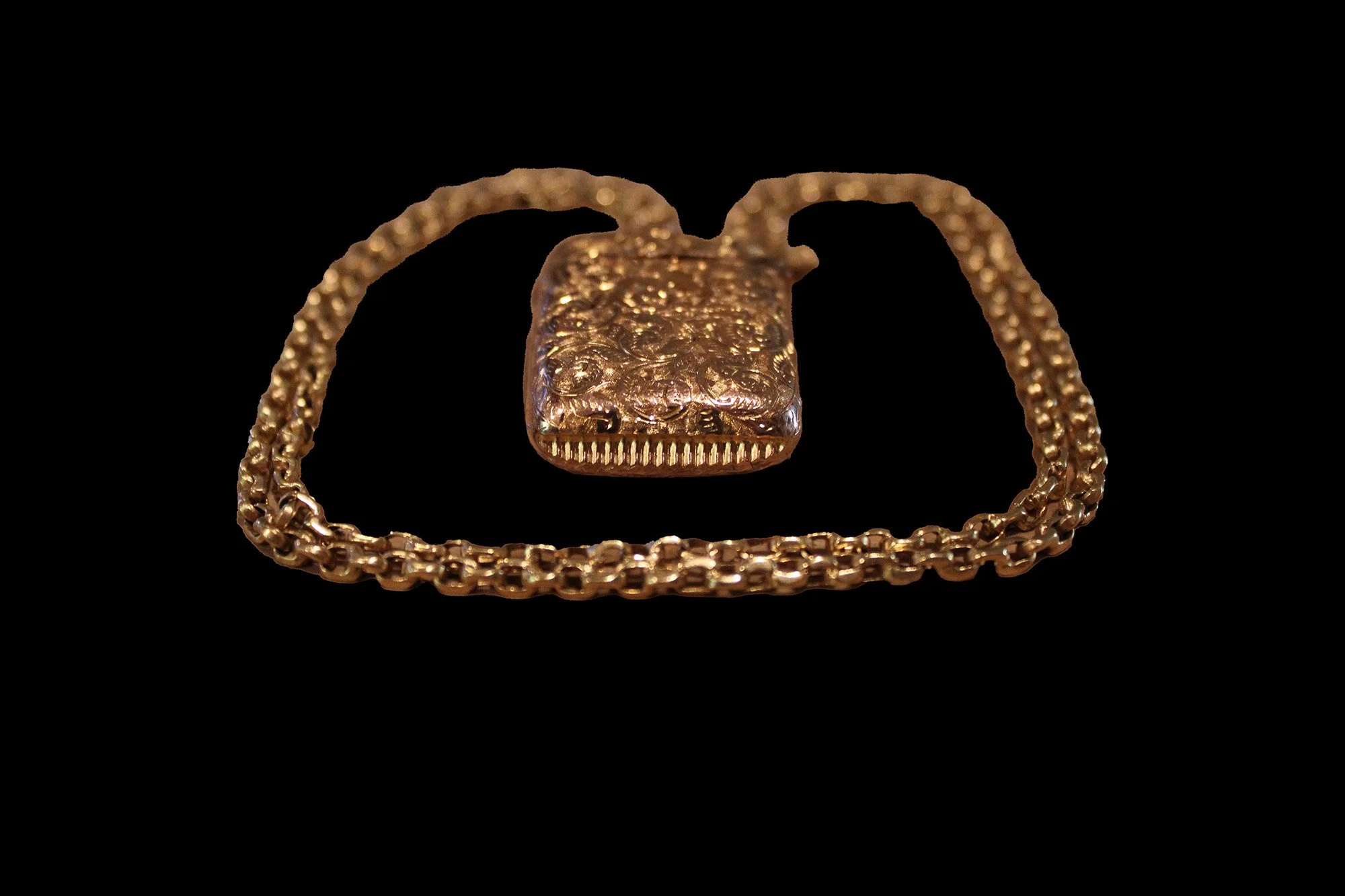
18K Victorian Ruby and Split Pearl Arrow Quiver Necklace

$5,000.00
Only 1 available

Victorian, late 19th century

18 carat gold

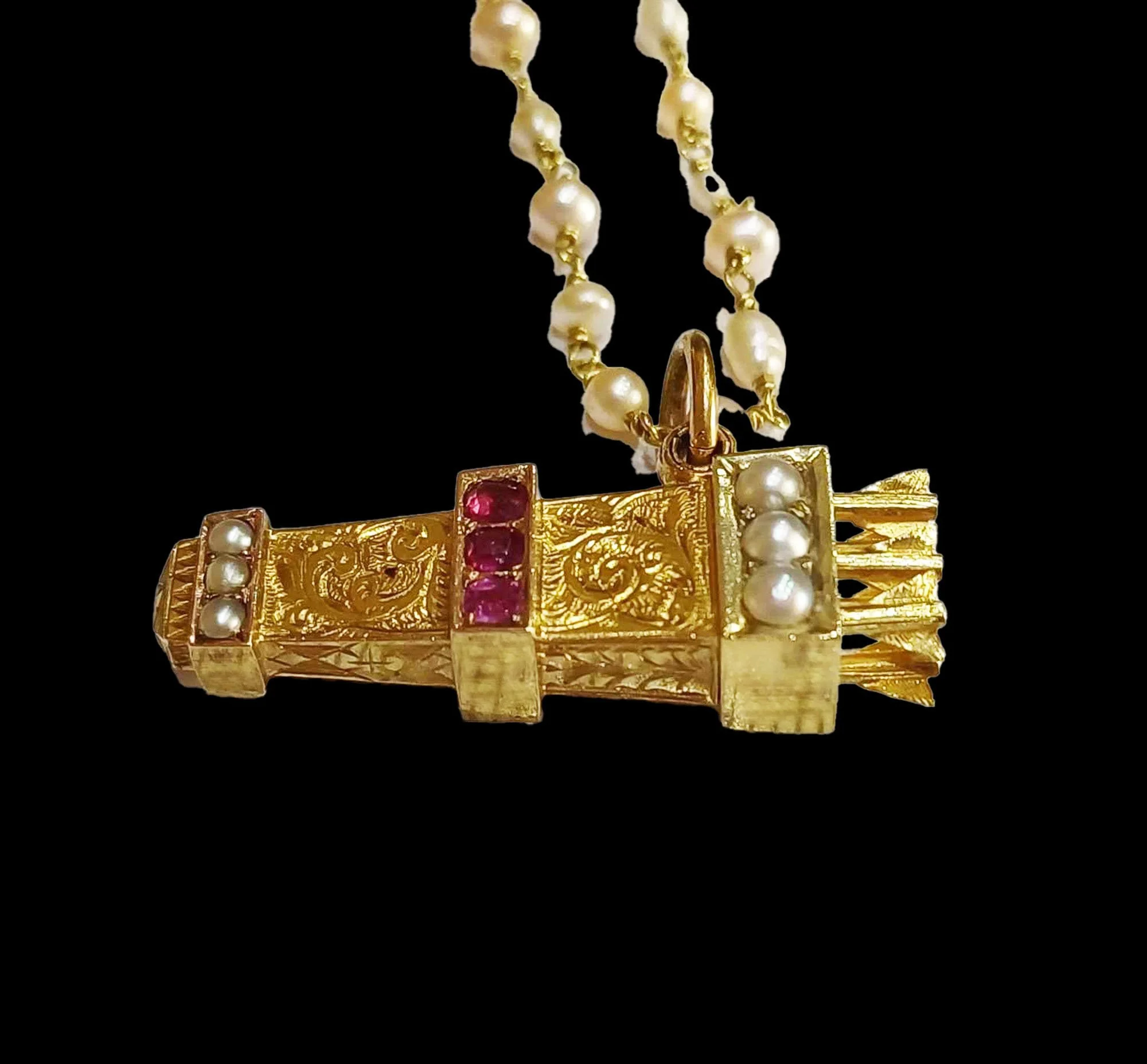
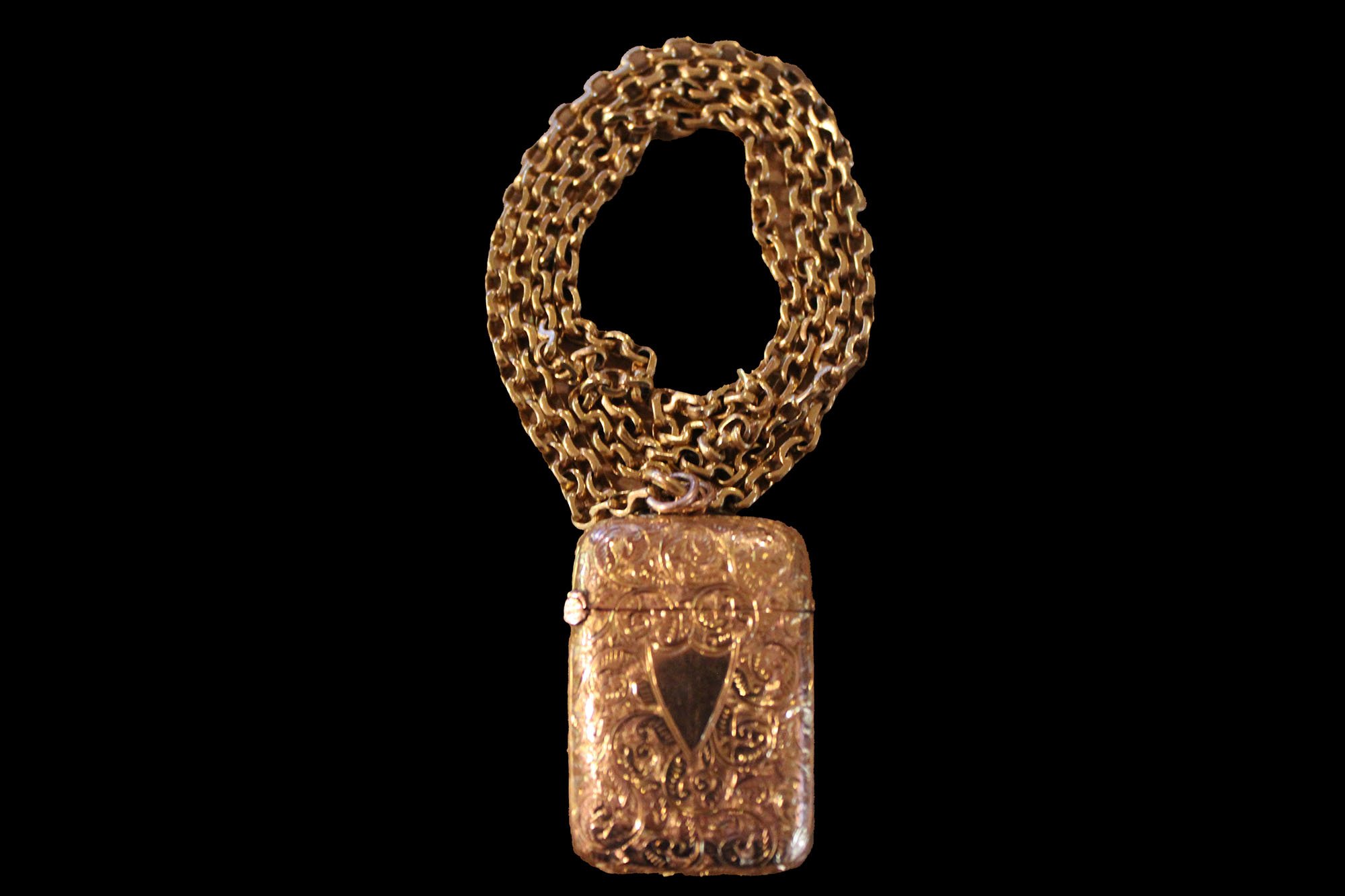
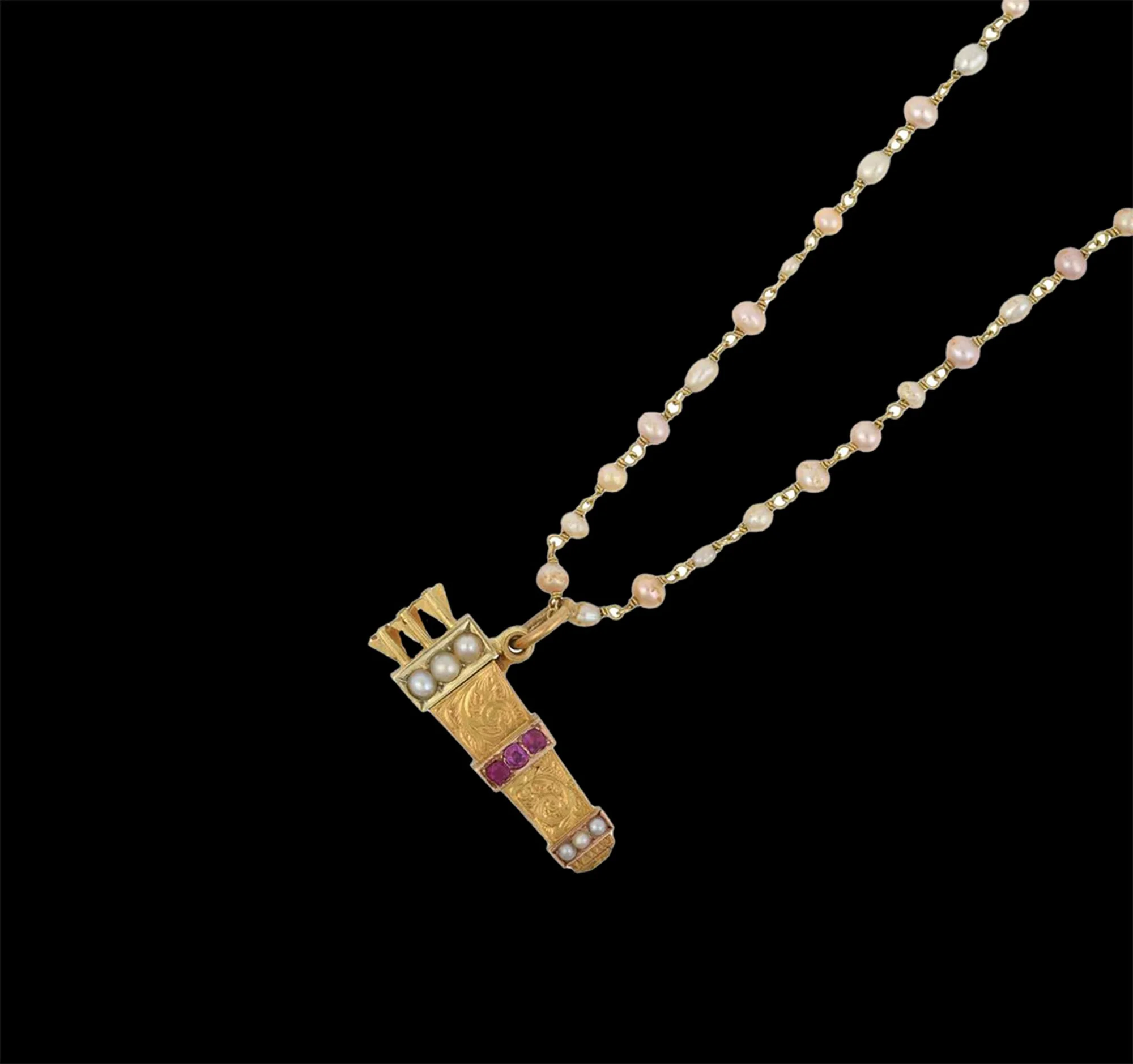
Cushion cut rubies and Split pearls pendant 1 inch × 1.35 inches

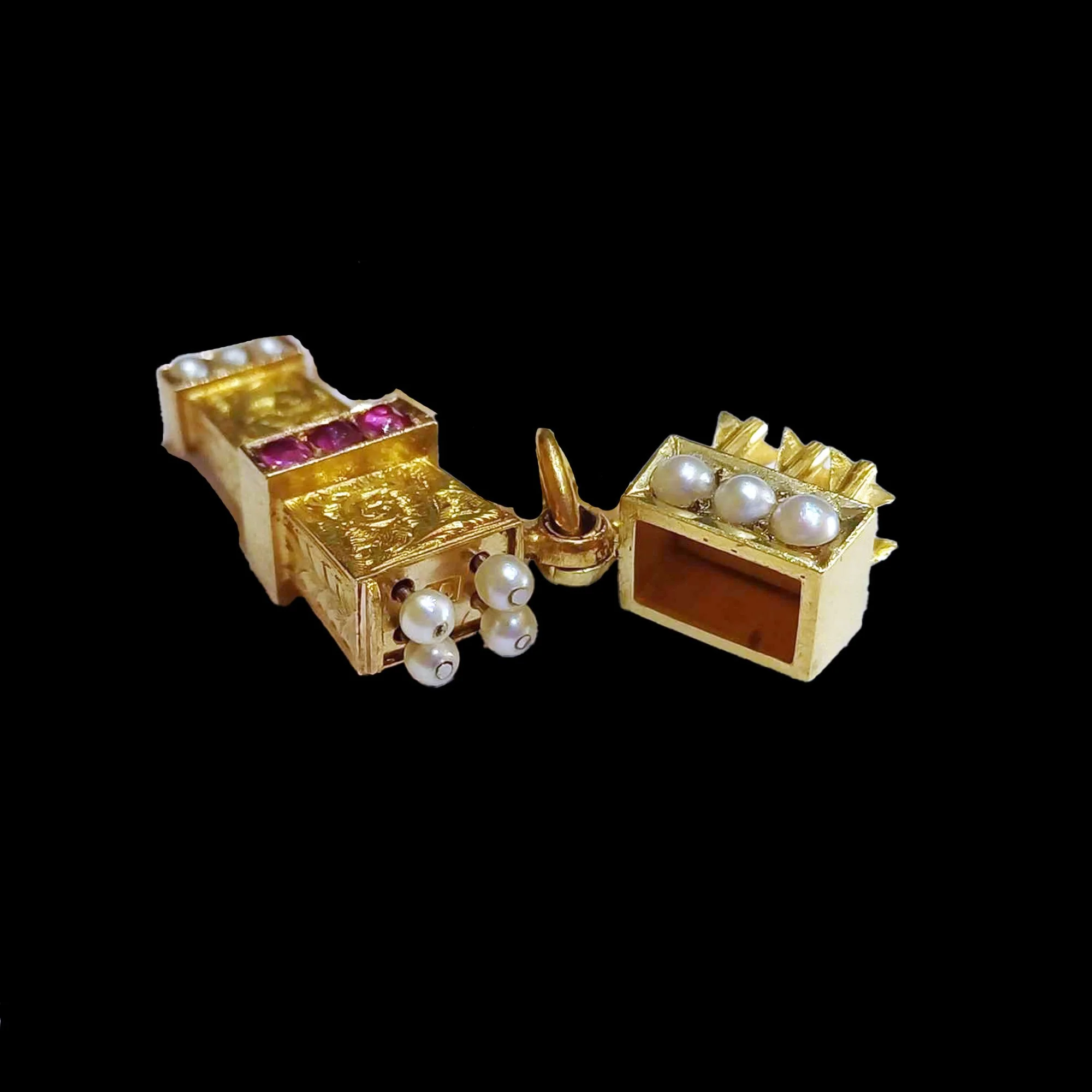
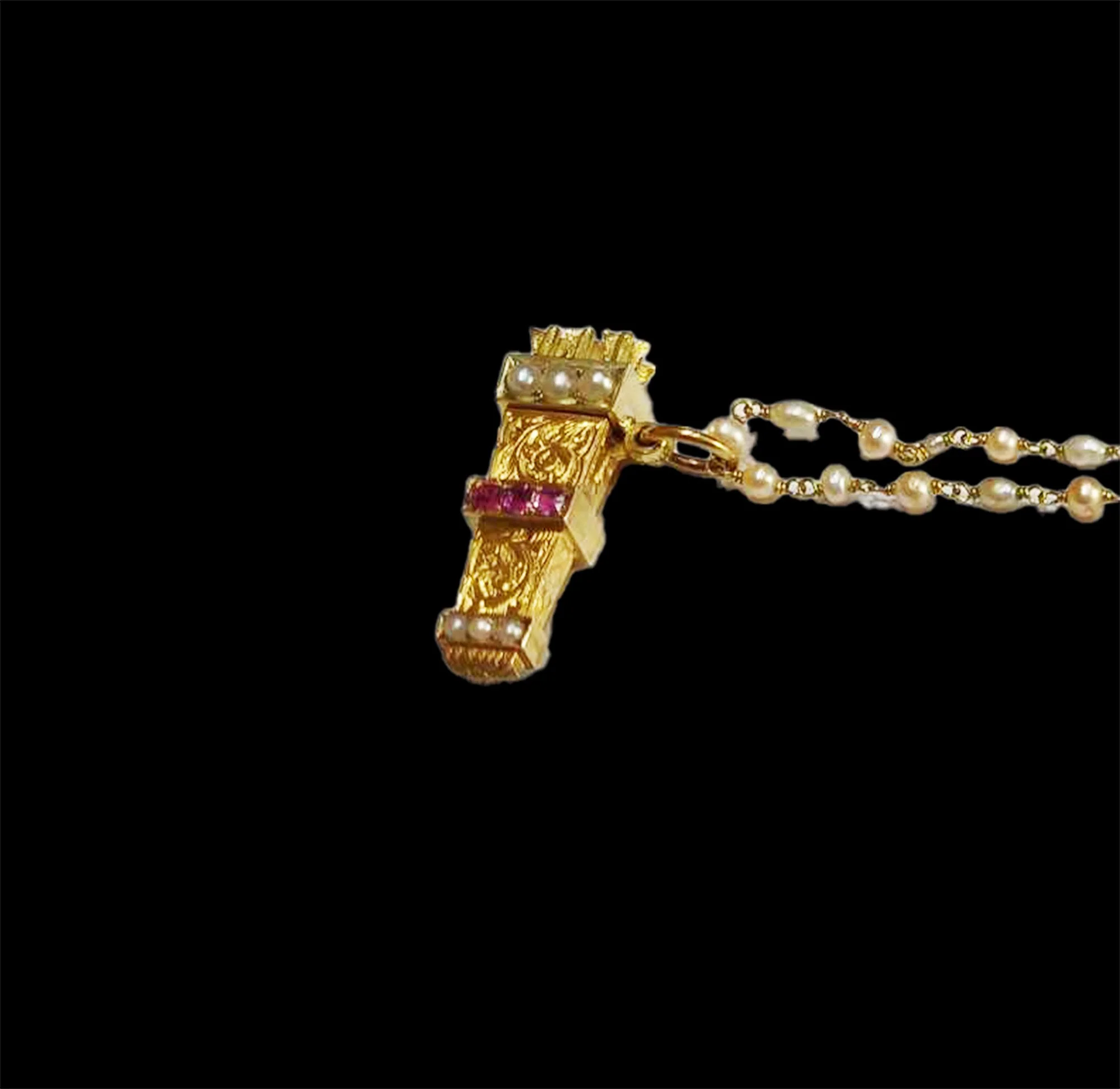
Novelty pendant in the form of a quiver of arrows

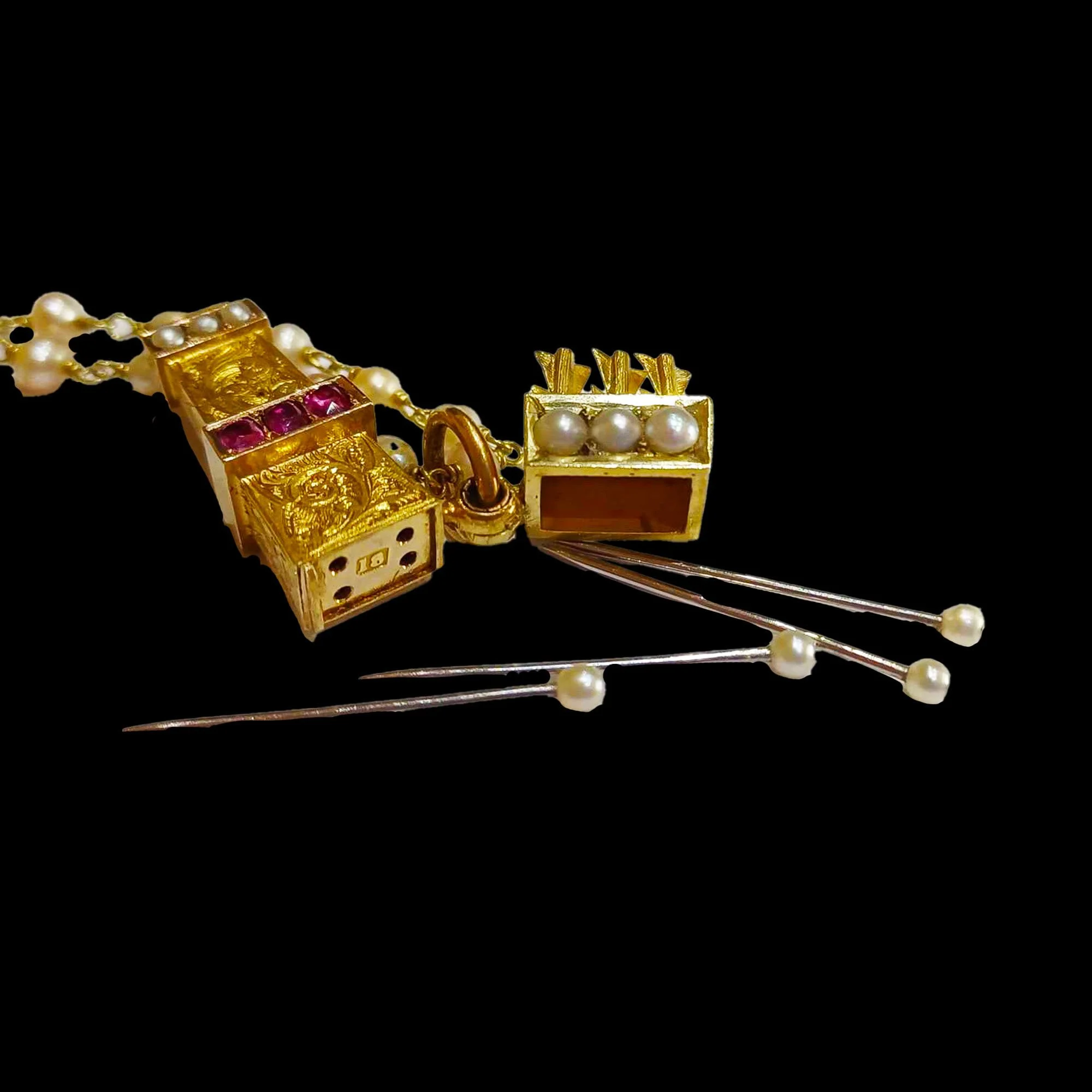
Hinged compartment containing four pearl-tipped pins

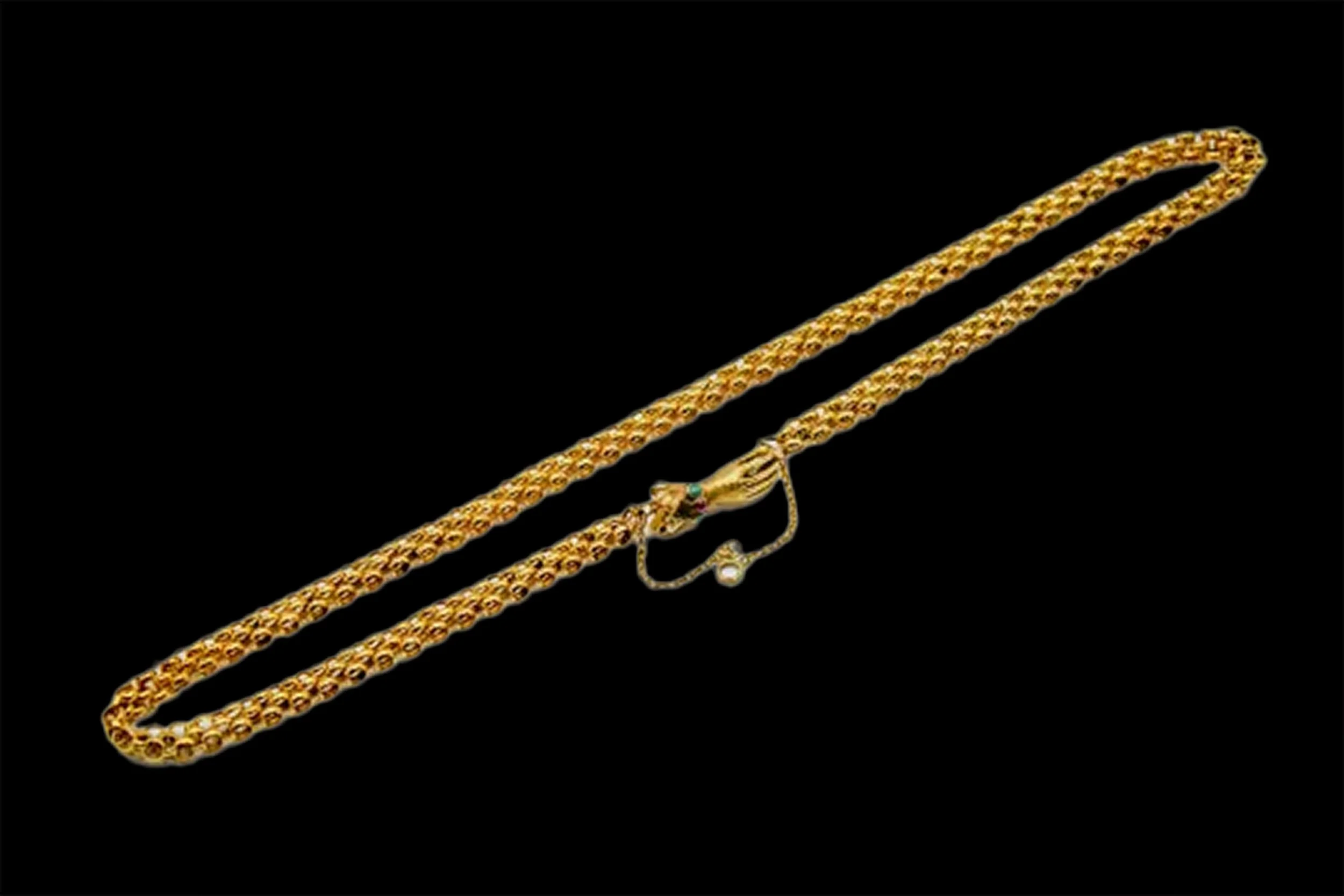
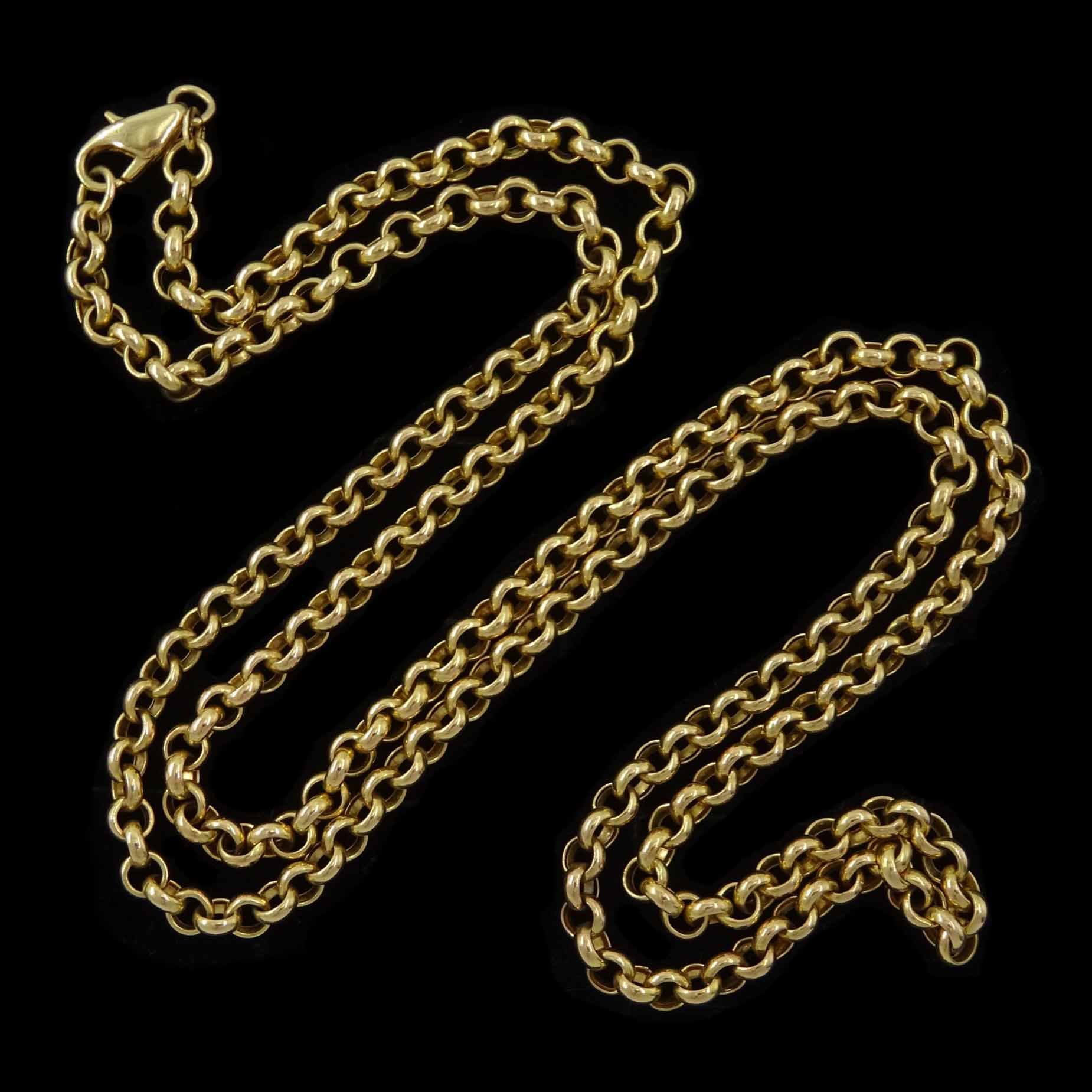
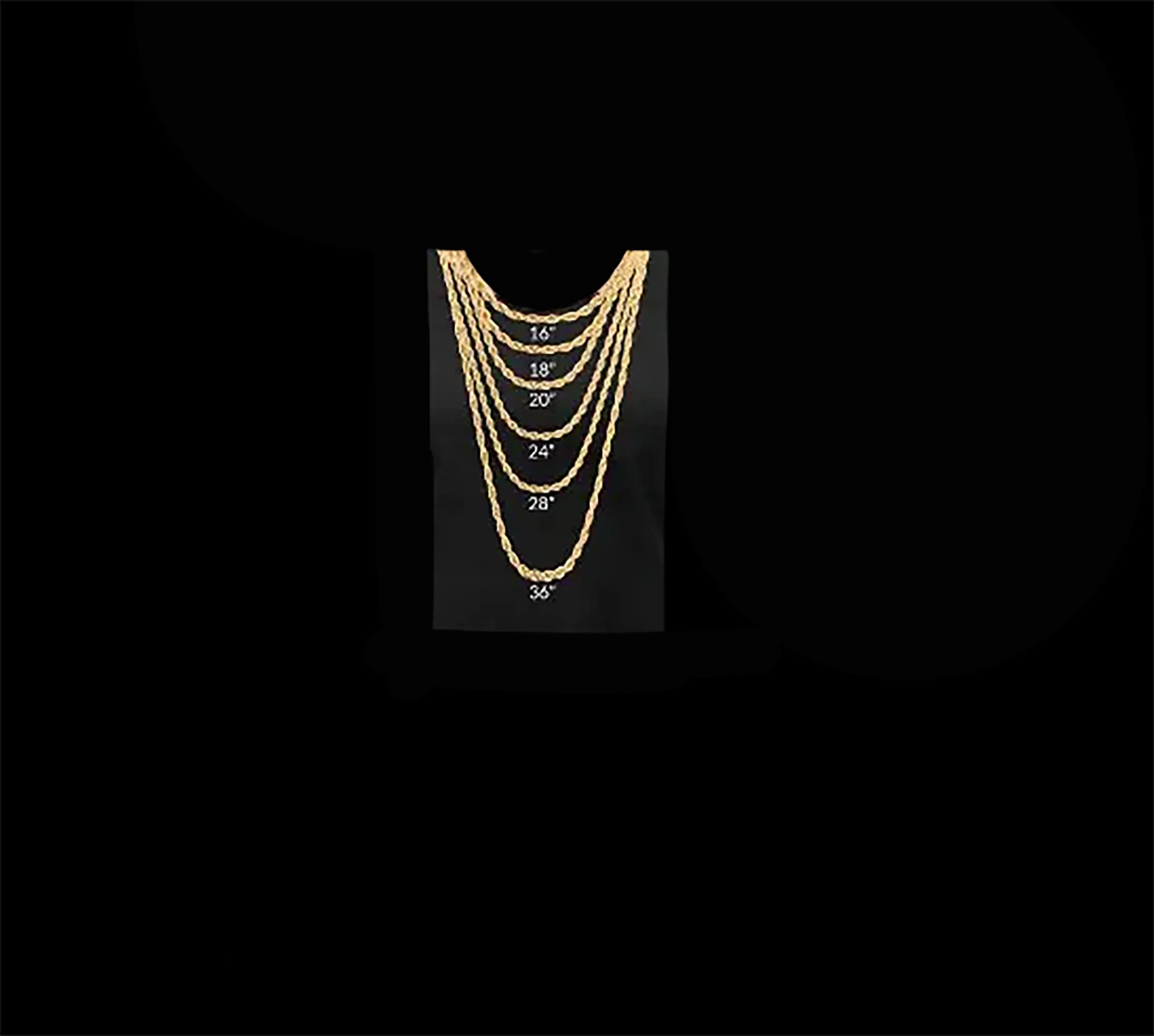
Chain Length: 17.5 inches

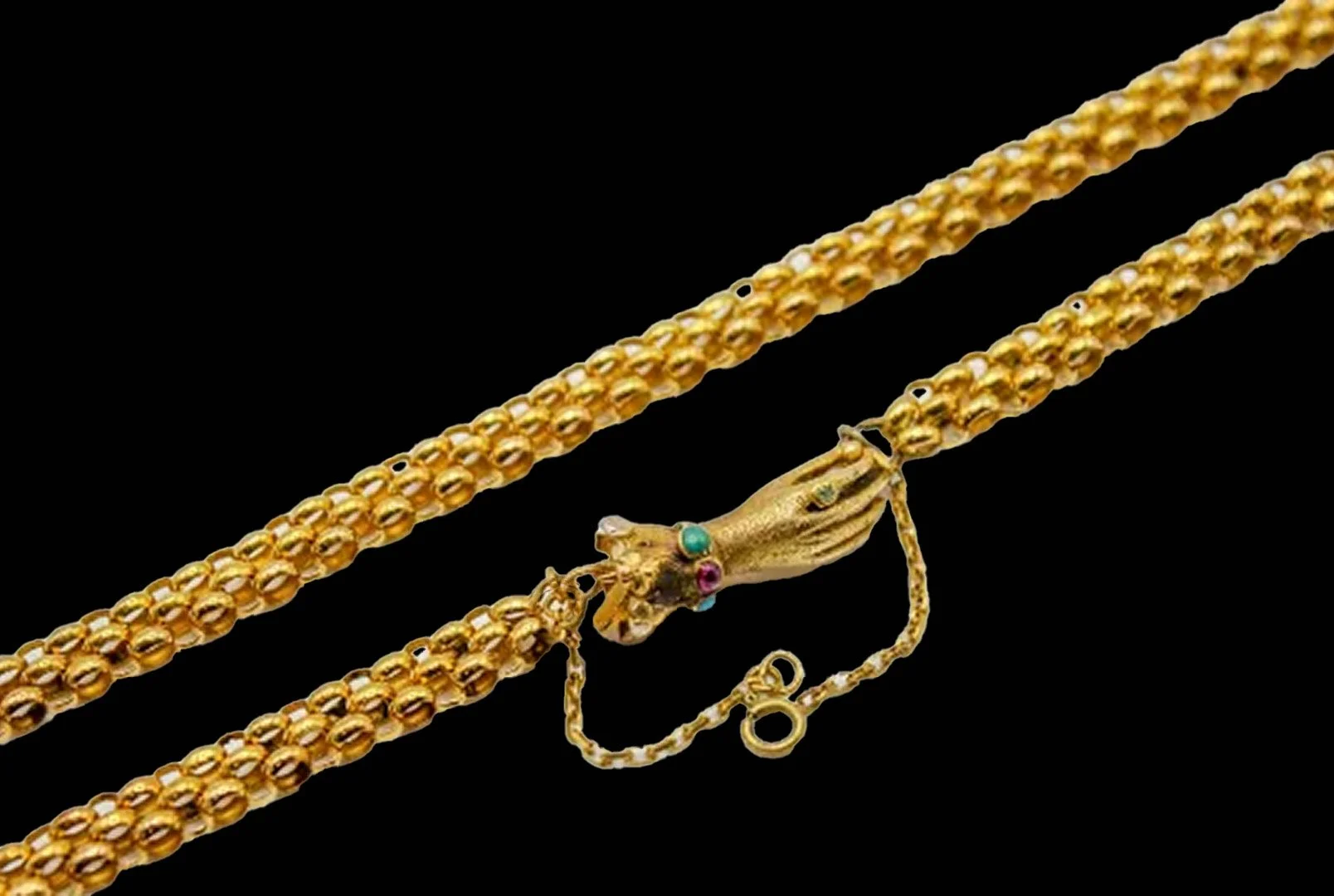
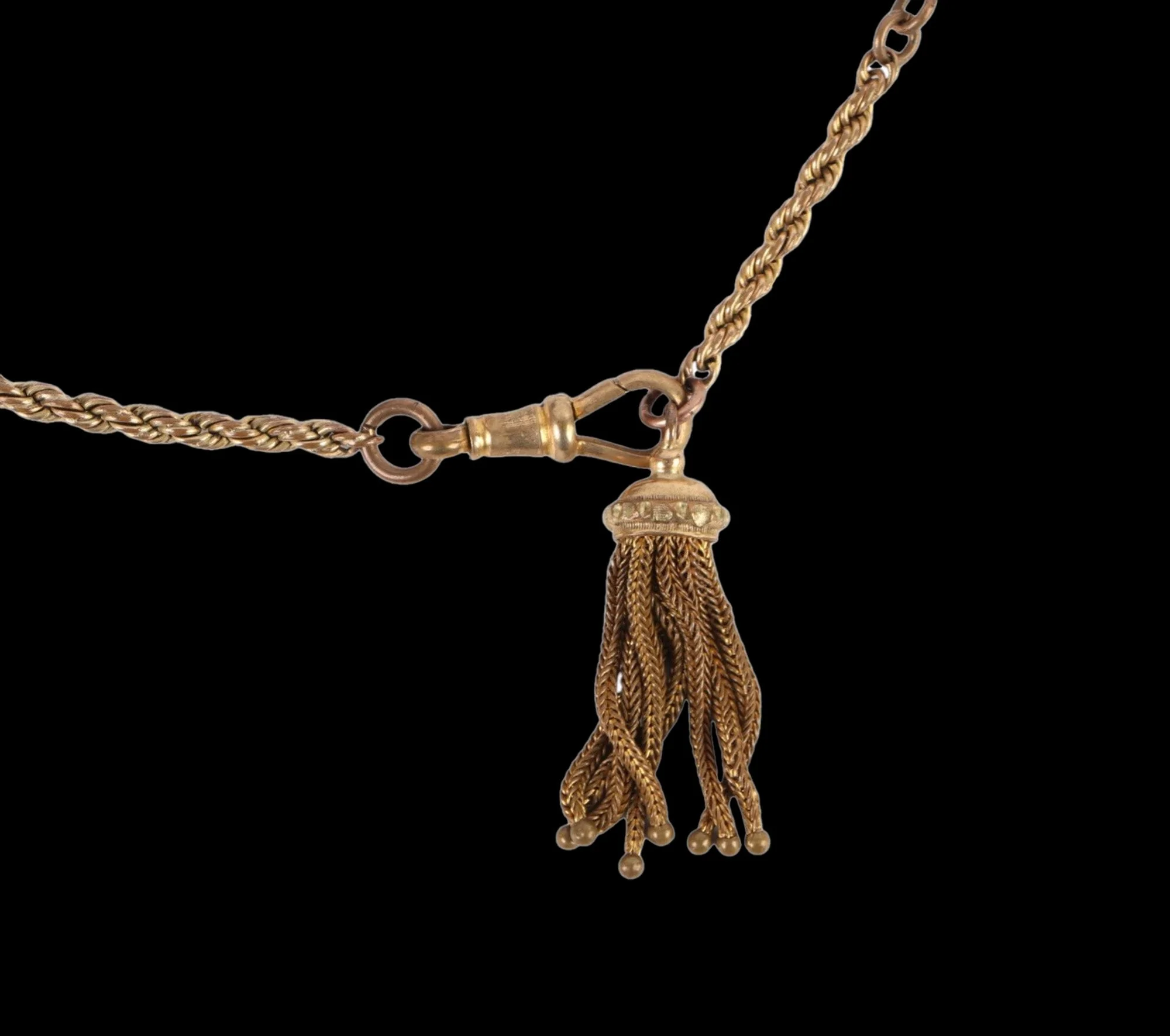
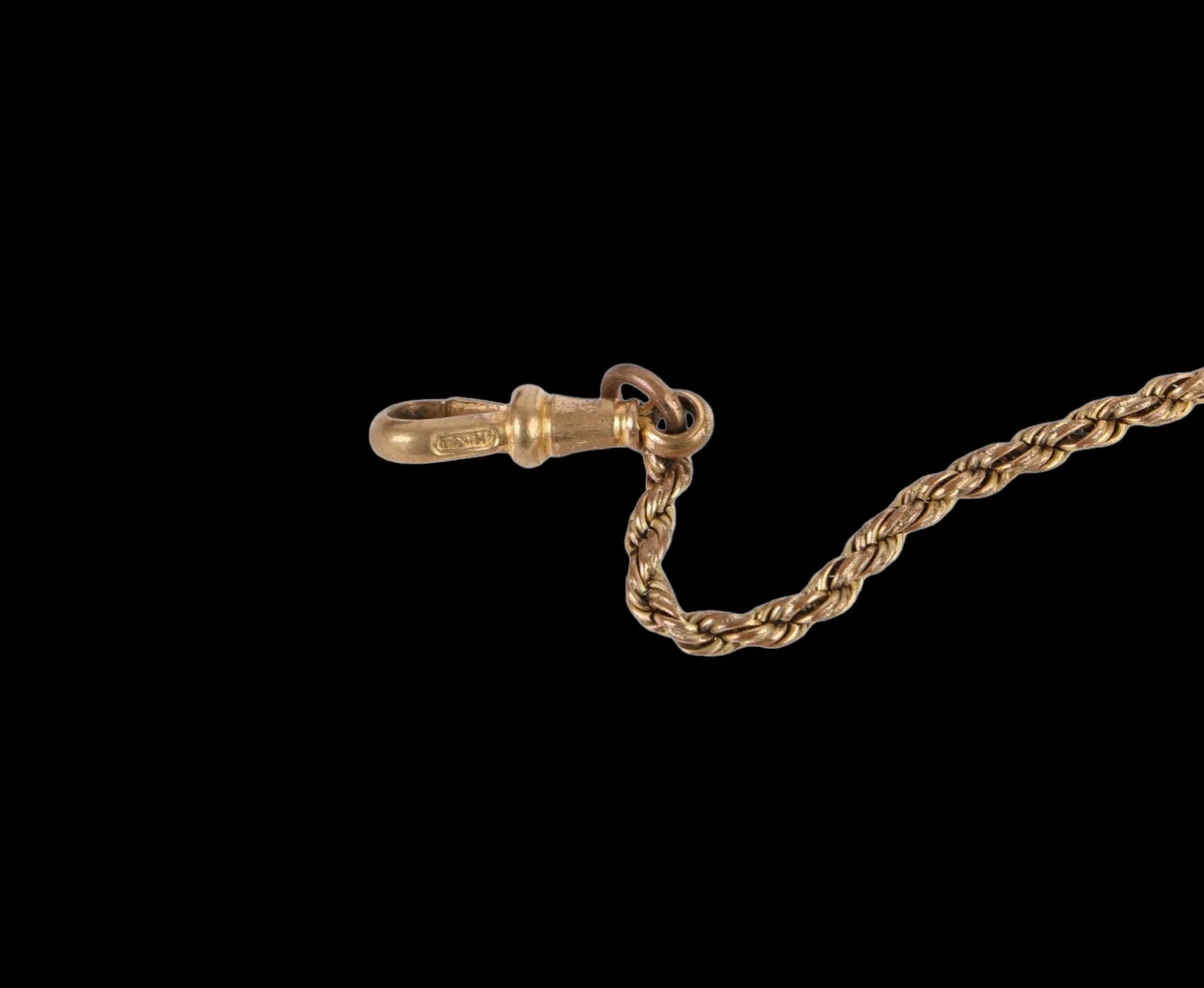
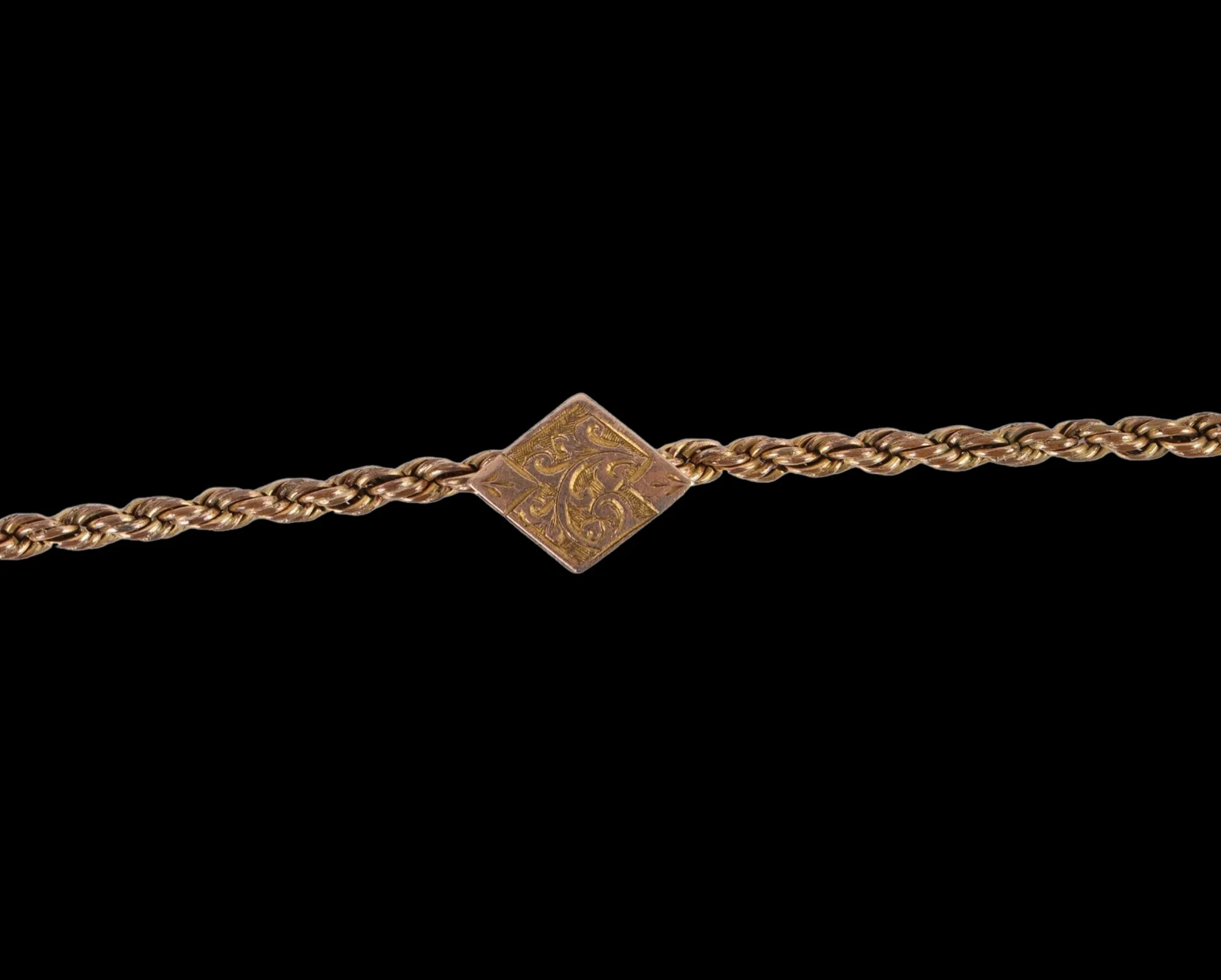
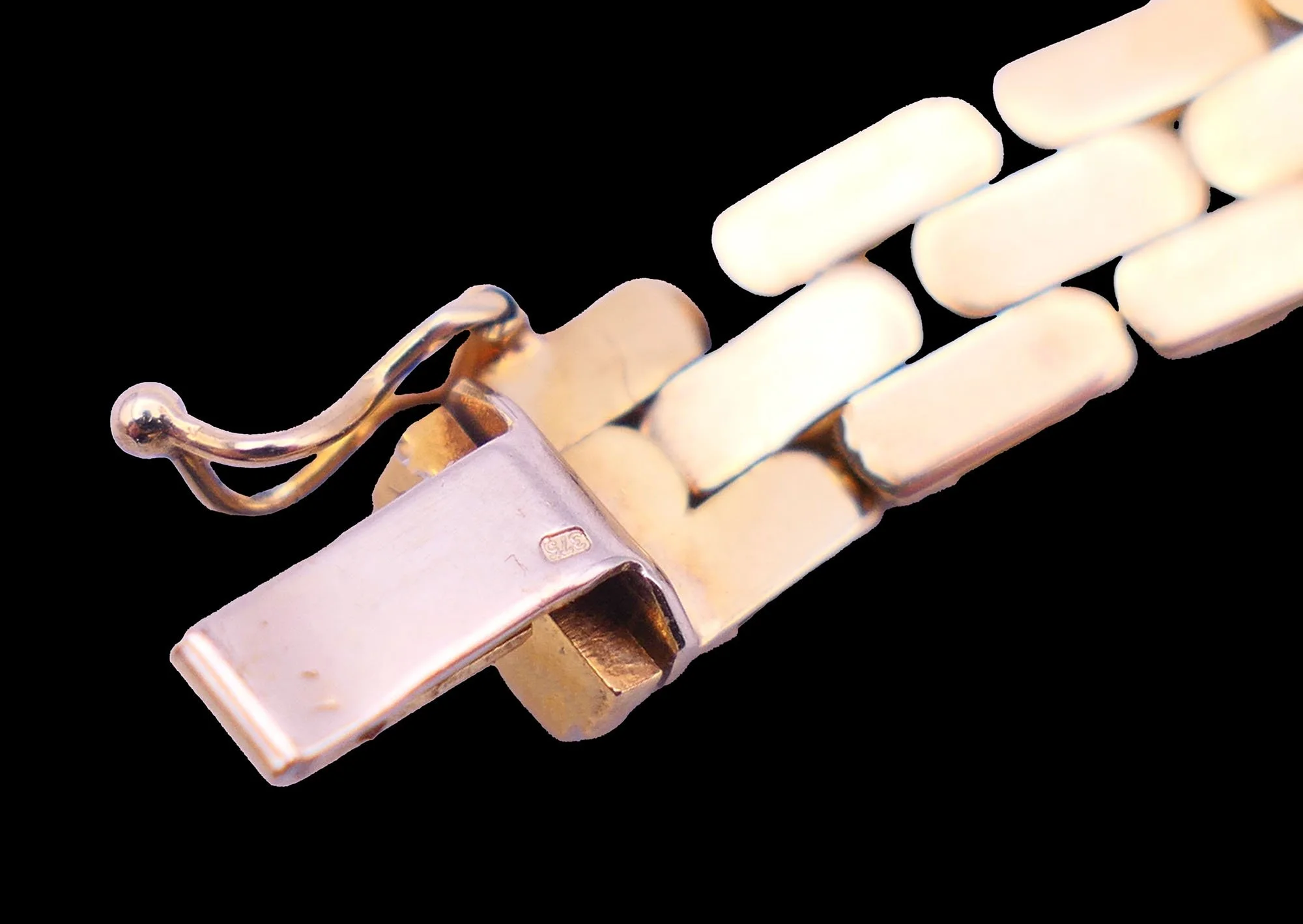
Later 18K gold cultured pearl fancy link chain Chain closure hook and eye

Total Weight: 12.8 grams

Understand Victorian Era Arrow Symbolism

Research Jewelry from the Victorian Historical Era

Understand the different Jewelry Materials used by Victorian Craftspeople

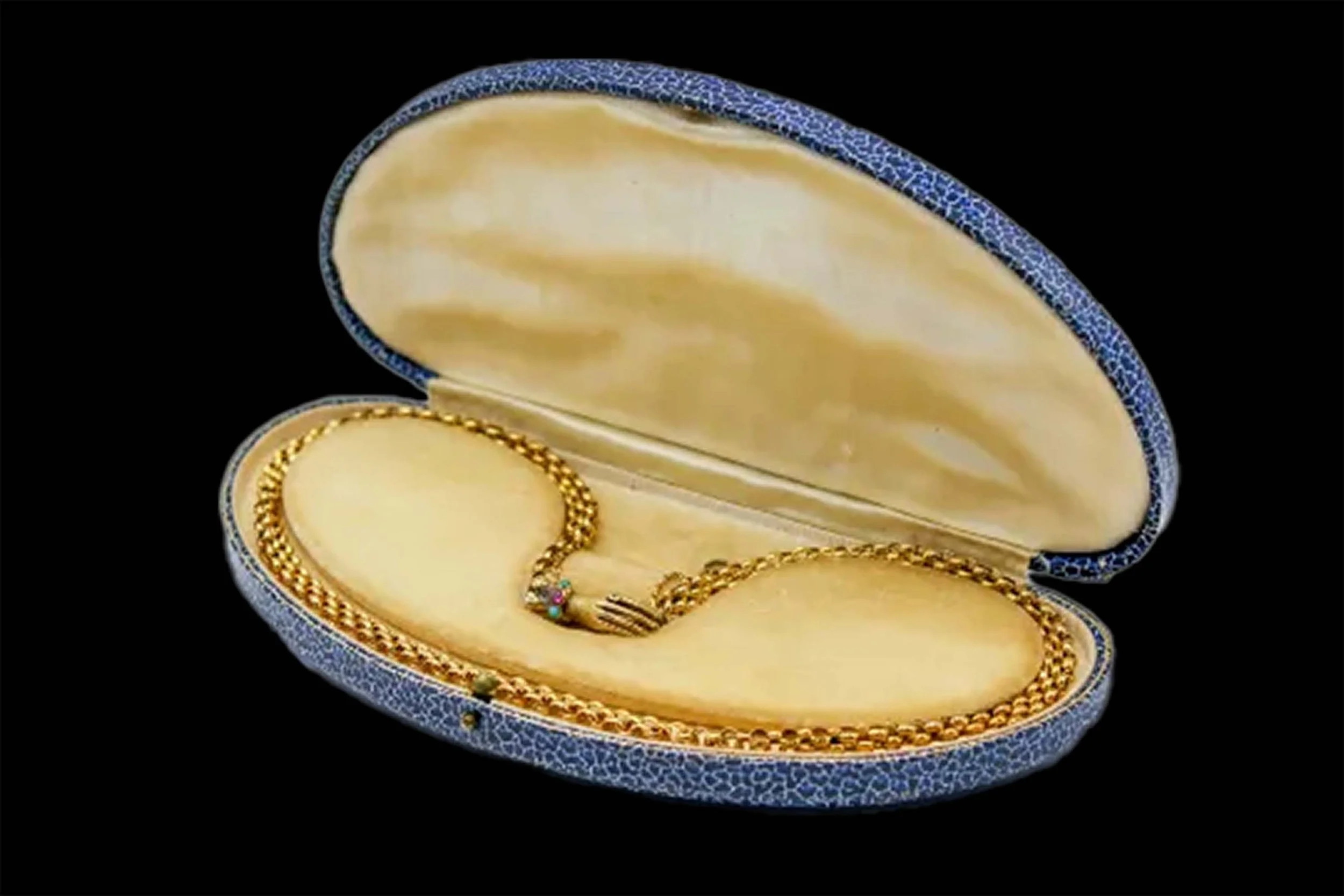
All Ma Couronne Antique Jewelry arrives in its own period jewelry case
Victorian, late 19th century

18 carat gold

Cushion cut rubies and Split pearls pendant 1 inch × 1.35 inches

Novelty pendant in the form of a quiver of arrows

Hinged compartment containing four pearl-tipped pins

Chain Length: 17.5 inches

Later 18K gold cultured pearl fancy link chain Chain closure hook and eye

Total Weight: 12.8 grams

Understand Victorian Era Arrow Symbolism

Research Jewelry from the Victorian Historical Era

Understand the different Jewelry Materials used by Victorian Craftspeople

All Ma Couronne Antique Jewelry arrives in its own period jewelry case
Victorian Ruby and Split Pearl Arrow Quiver Pendant

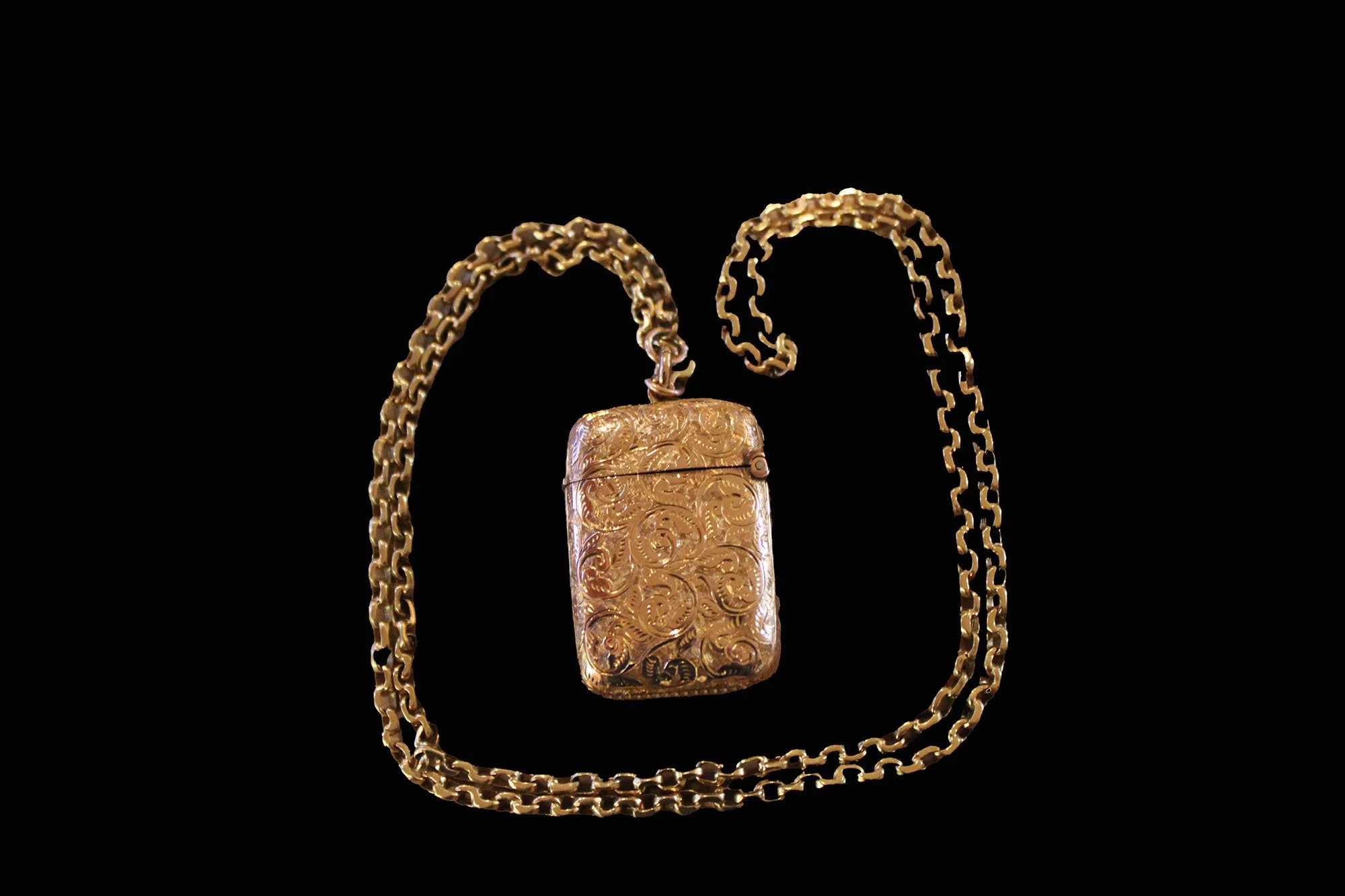
This unusual Victorian gold pendant is fashioned in the form of a quiver of arrows, richly engraved with scrolling foliate motifs and decorated with graduated rows of split pearls and cushion-cut rubies. The finely detailed goldwork reflects the nineteenth-century fascination with symbolic jewelry, in which romantic or classical imagery conveyed emotional meaning.

The quiver opens with a concealed hinge, revealing a set of four slender pins tipped with pearls, ingeniously hidden within the pendant. Such novelty jewels were prized in the Victorian era, when jewelry was often designed to contain miniature tools or sentimental objects—transforming ornament into something both decorative and functional.

The motif of the arrow carries deep romantic symbolism in nineteenth-century jewelry. Arrows were traditionally associated with Cupid, the classical god of love, whose arrow was believed to pierce the heart and awaken affection. Jewelry featuring arrows or quivers therefore became a poetic emblem of love struck suddenly and irrevocably.

The pendant’s engraved surface and jewel-set bands demonstrate the refined craftsmanship typical of late Victorian goldsmithing. Split pearls—symbols of purity and devotion—frame the form of the quiver, while the rich red rubies evoke passion and enduring affection.

Today, novelty pendants of this type remain highly collectible for their combination of romantic symbolism, mechanical ingenuity, and sculptural goldwork. Surviving examples offer a glimpse into the imaginative world of Victorian jewelers, who delighted in creating objects that were both miniature works of art and intimate personal treasures.

Suspended from a later 18-carat gold cultured pearl chain, the pendant retains its delicate internal pins and remains a striking example of Victorian symbolic jewelry.