

The Symbolism of Gold Vinaigrette & Scent Bottles
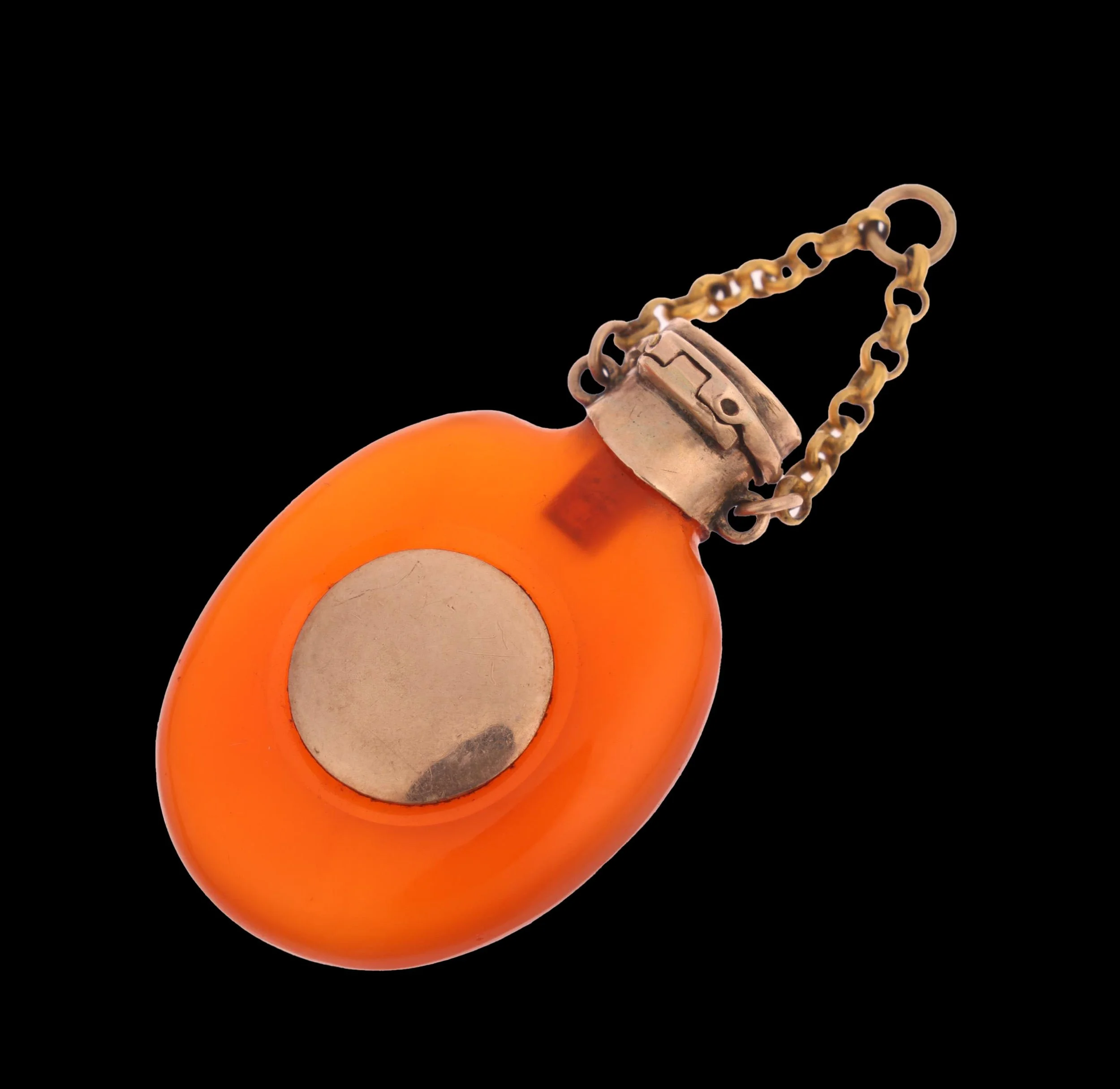
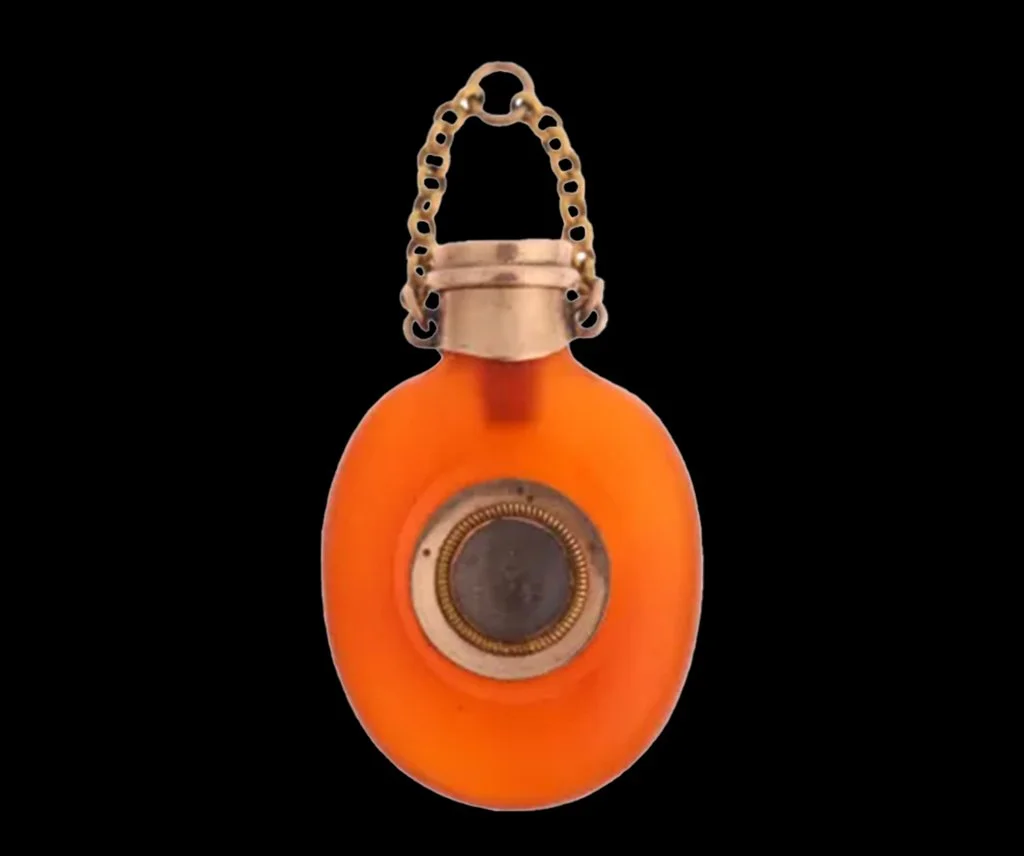
Georgian Carnelian Scent Flask with Gold mounts
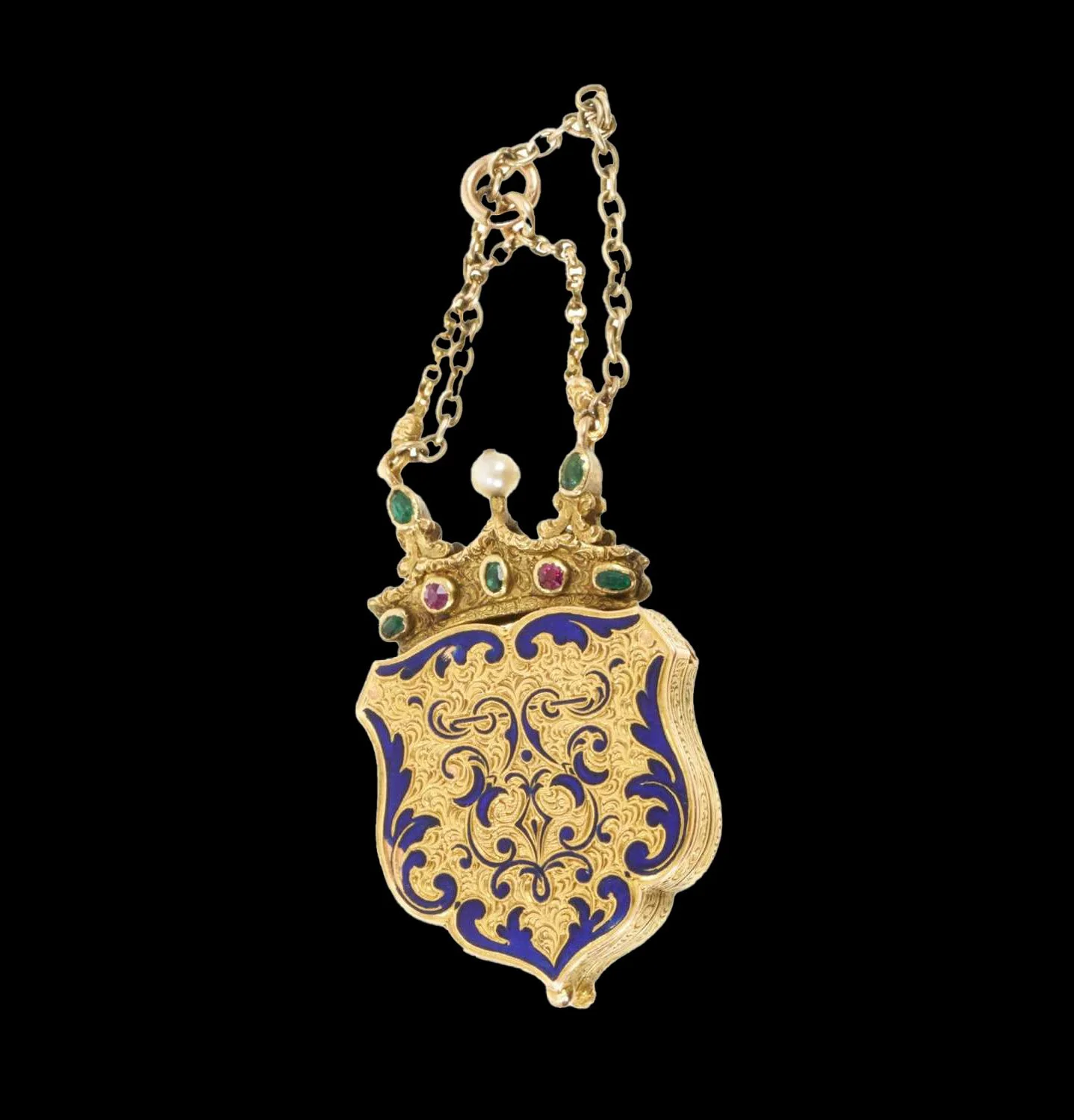
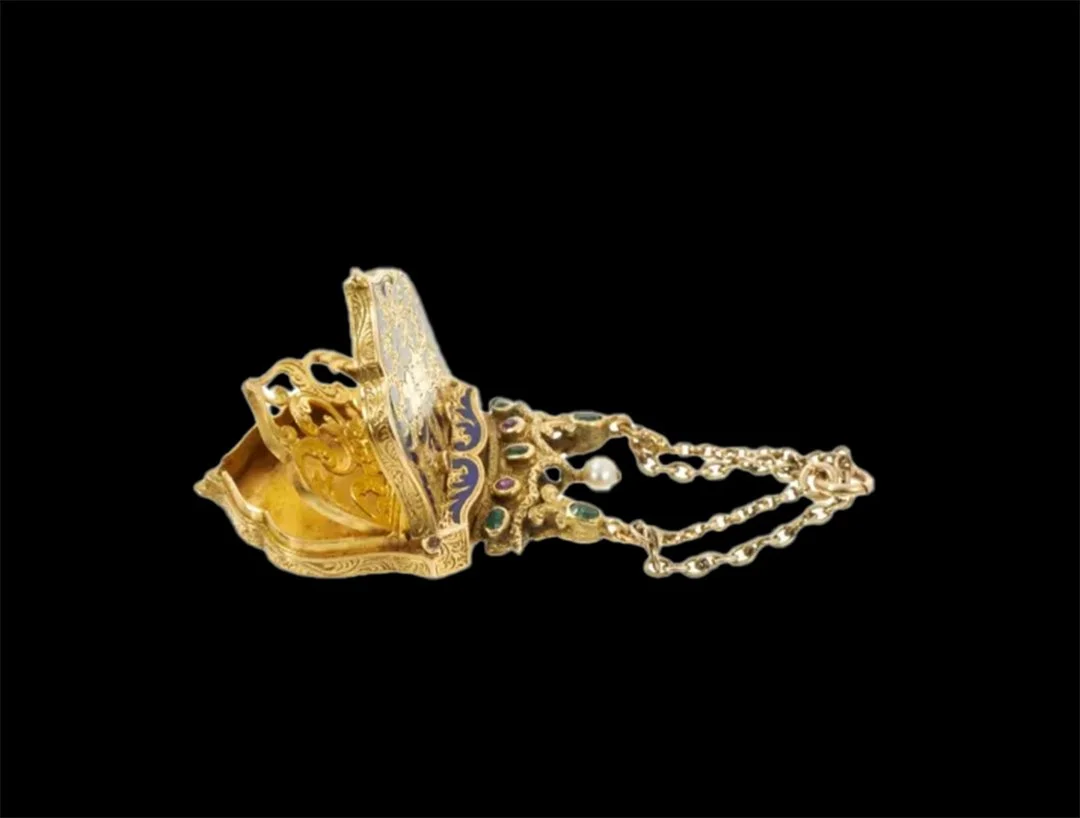
coming soon
A gold vinaigrette or scent bottle is far more than an elegant eighteenth- or nineteenth-century accessory. Compact enough to rest discreetly in the palm of the hand, these exquisite objects embodied the intersection of medicine, craftsmanship, personal adornment, and social ritual. Today they offer a fascinating window into a world where fragrance was believed to preserve health, where luxury communicated status, and where even the smallest personal possession reflected the values and anxieties of its owner.
The term vinaigrette derives from the aromatic vinegar traditionally carried within the case. Beneath an intricately pierced gold grille lay a tiny sponge saturated with perfumed vinegar or essential oils. The fragrance could be refreshed repeatedly, allowing the owner to inhale pleasant scents whenever desired. During the Georgian and Victorian periods, when urban sanitation was poor and disease was commonly believed to spread through "bad air" or miasma, these scented vapours were thought to cleanse the atmosphere surrounding the wearer and protect against illness.
The vinaigrette therefore became a symbol of health and resilience. It represented humanity's attempt to impose order over an unpredictable world where epidemics, industrial pollution, and offensive odours were everyday realities. Carrying a vinaigrette reflected both practical caution and an enlightened awareness of contemporary medical thought.
Equally significant was its role as a symbol of refinement and civility. The discreet act of opening a vinaigrette and inhaling a delicate fragrance demonstrated self-control and elegant manners. Unlike a perfume bottle, which projected scent outward, the vinaigrette created a private sensory experience. It reflected the nineteenth-century ideal that true luxury should be intimate rather than ostentatious.
Its materials reinforced this symbolism. Gold had long represented permanence, purity, and incorruptibility. Unlike silver or base metals, gold neither tarnished nor deteriorated, making it an appropriate vessel for fragrant substances associated with vitality and well-being. The precious metal also communicated wealth and social standing, transforming a practical medical accessory into a jewel worthy of display.
The pierced grille at the heart of every vinaigrette carries its own symbolic significance. While designed to secure the scented sponge, its intricate openwork became a miniature canvas for artistic expression. Floral motifs celebrated renewal and the cycles of nature. Gothic tracery reflected the Romantic fascination with medieval craftsmanship and spirituality. Classical scrolls conveyed balance and harmony, while geometric designs demonstrated the extraordinary precision of nineteenth-century goldsmiths. Hidden beneath the lid, these elaborate grilles rewarded close inspection, revealing beauty intended primarily for the owner rather than the casual observer.
Many vinaigrettes also served as symbols of travel and preparedness. Easily suspended from a chatelaine, watch chain, or carried in a pocket or reticule, they accompanied their owners throughout daily life. They were indispensable companions during long carriage journeys, crowded railway travel, visits to theatres, churches, hospitals, and bustling city streets. In an era when personal comfort depended largely upon one's own resources, the vinaigrette represented self-sufficiency and thoughtful preparation.
Like many fine personal possessions of the period, vinaigrettes frequently became cherished gifts. Their lids were often engraved with initials, family crests, dedications, or important dates, transforming them into symbols of affection, remembrance, and enduring relationships. Some descended through generations as treasured heirlooms, carrying not only fragrance but family history.
Their symbolism also extends into the broader story of nineteenth-century craftsmanship. Despite their diminutive size, vinaigrettes demanded remarkable technical skill. Goldsmiths compressed complex mechanisms, invisible hinges, precise catches, and exquisitely pierced decorative grilles into objects often measuring little more than an inch across. They stand today as enduring evidence that Victorian luxury valued precision and artistry as highly as precious materials.
Viewed through a modern lens, the gold vinaigrette occupies a unique position between jewellery, scientific instrument, and personal talisman. It reminds us that beauty and utility were once inseparable, and that objects of everyday life could embody sophisticated beliefs about health, identity, etiquette, and the human senses. Although the aromatic vinegar has long evaporated, these remarkable survivors continue to preserve the invisible fragrance of a vanished world, where elegance was measured not only by appearance but by the quiet rituals of daily living.