

Gold Secret Compartments in Antique Jewelry
Hidden Messages, Intimate Objects, and the Art of Concealment
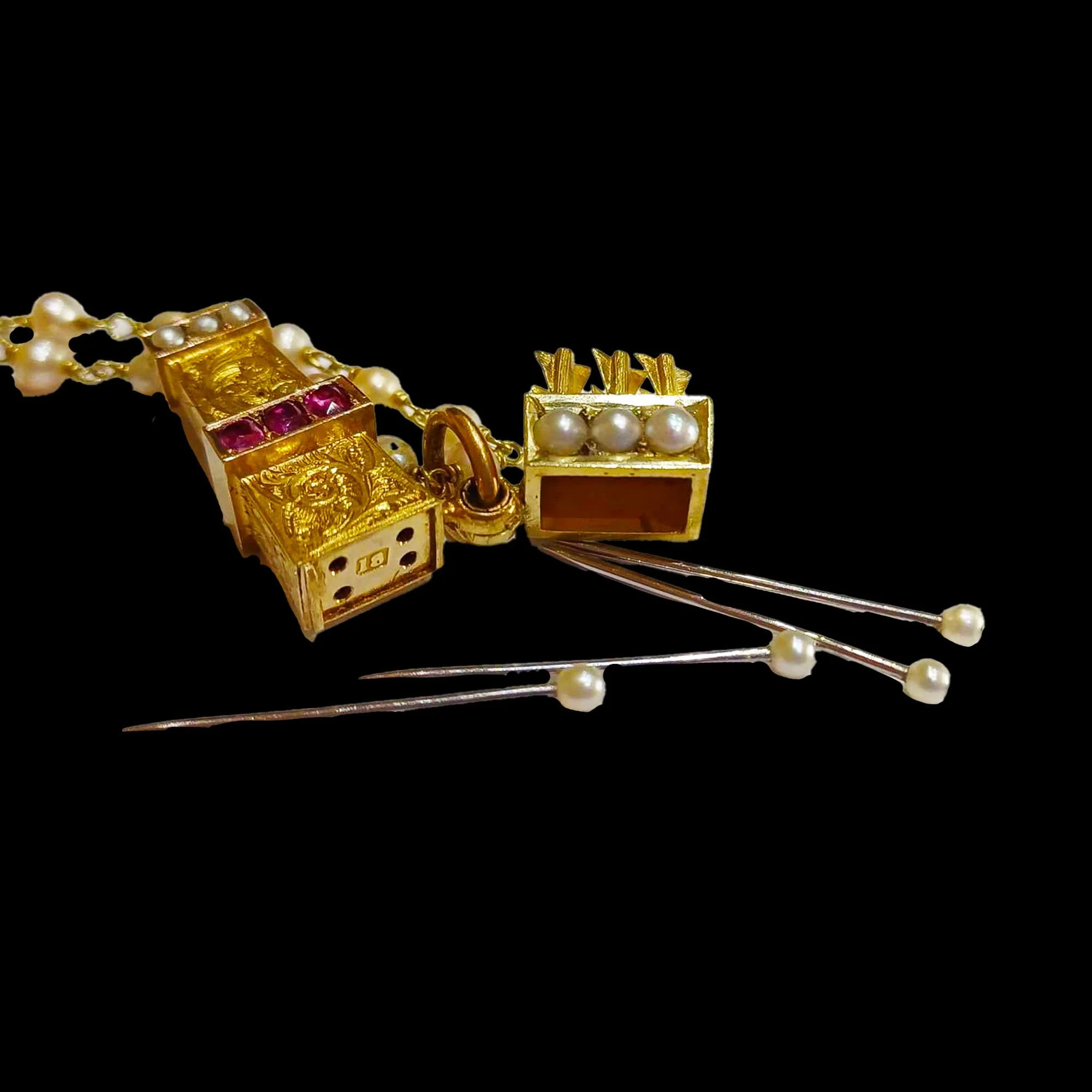
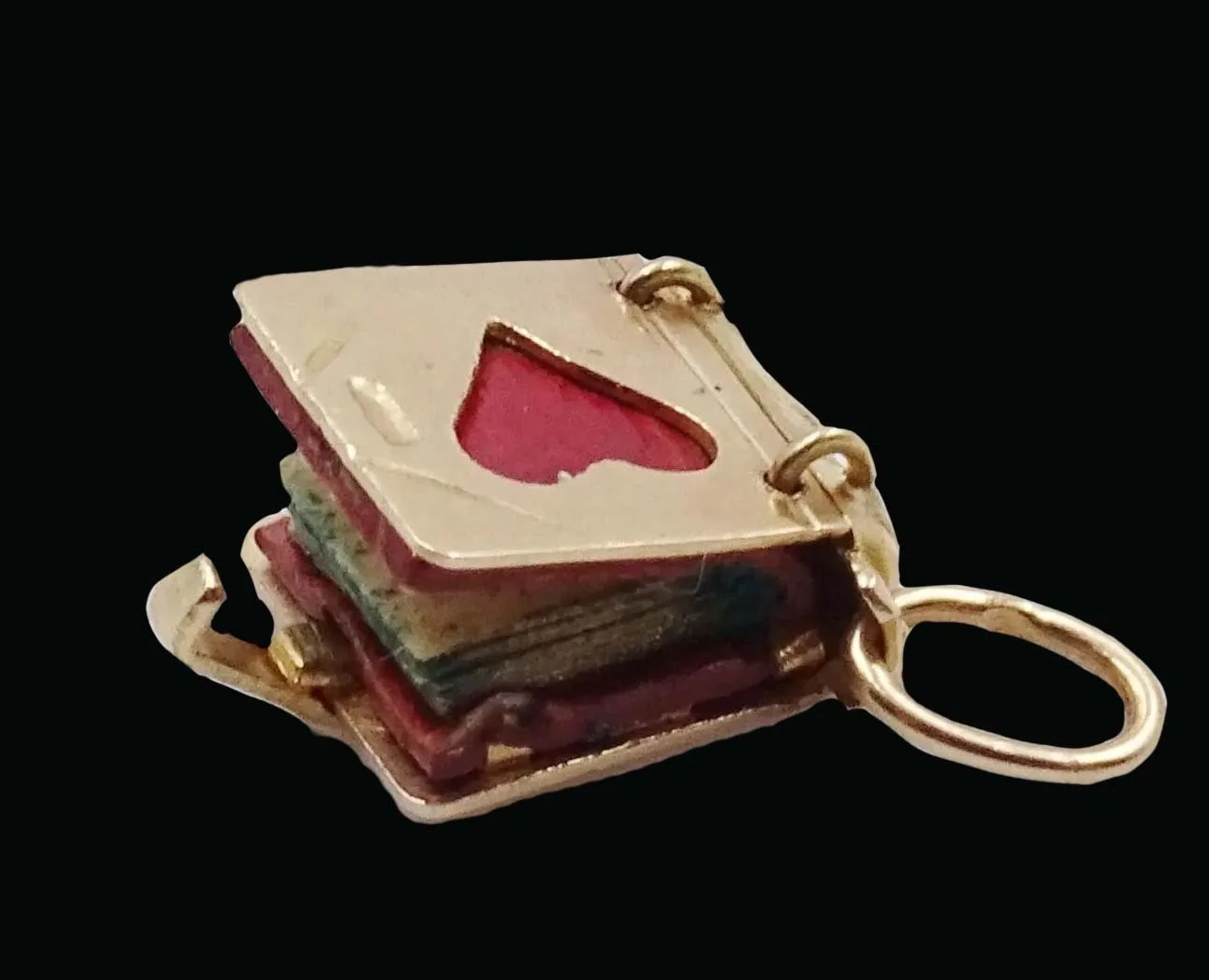
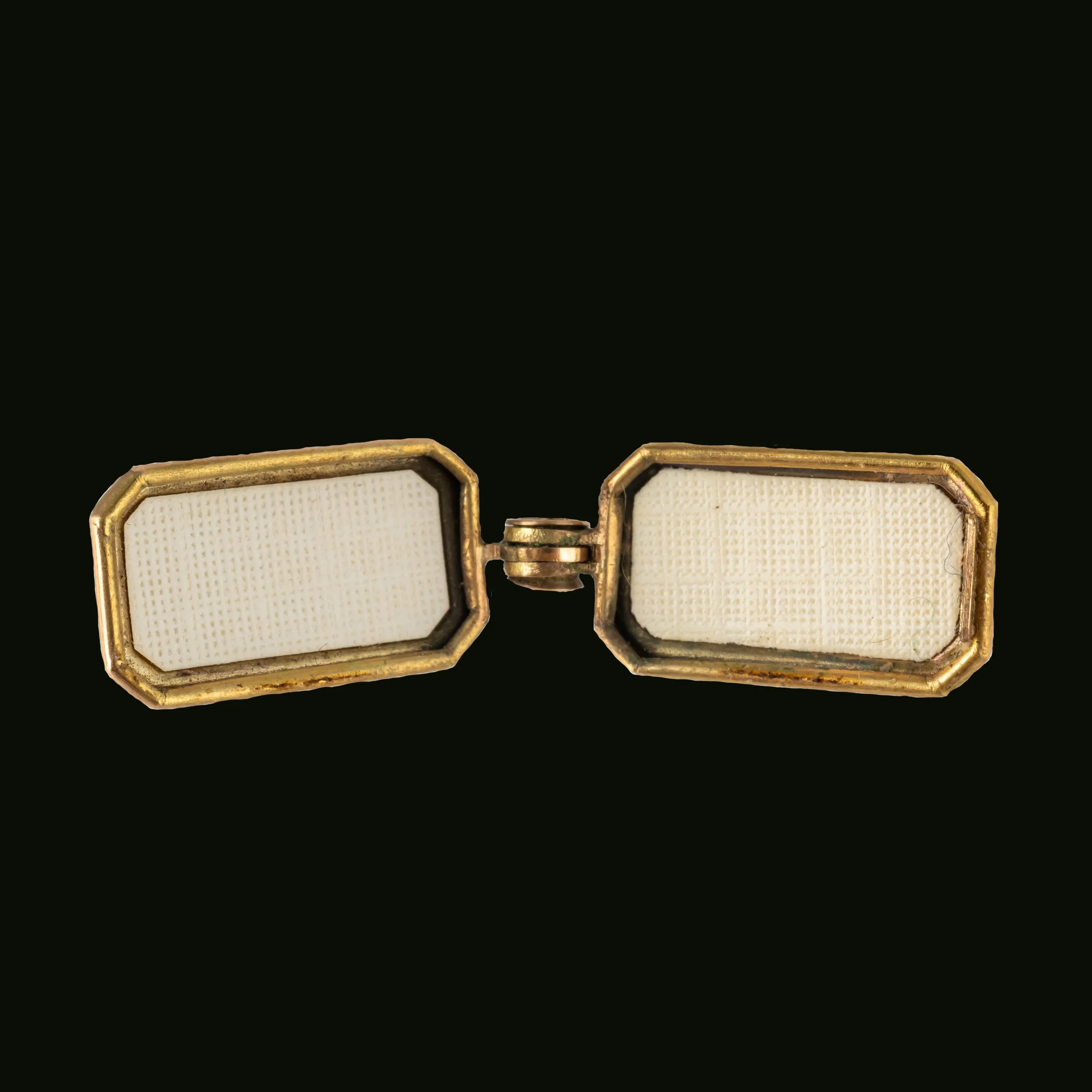
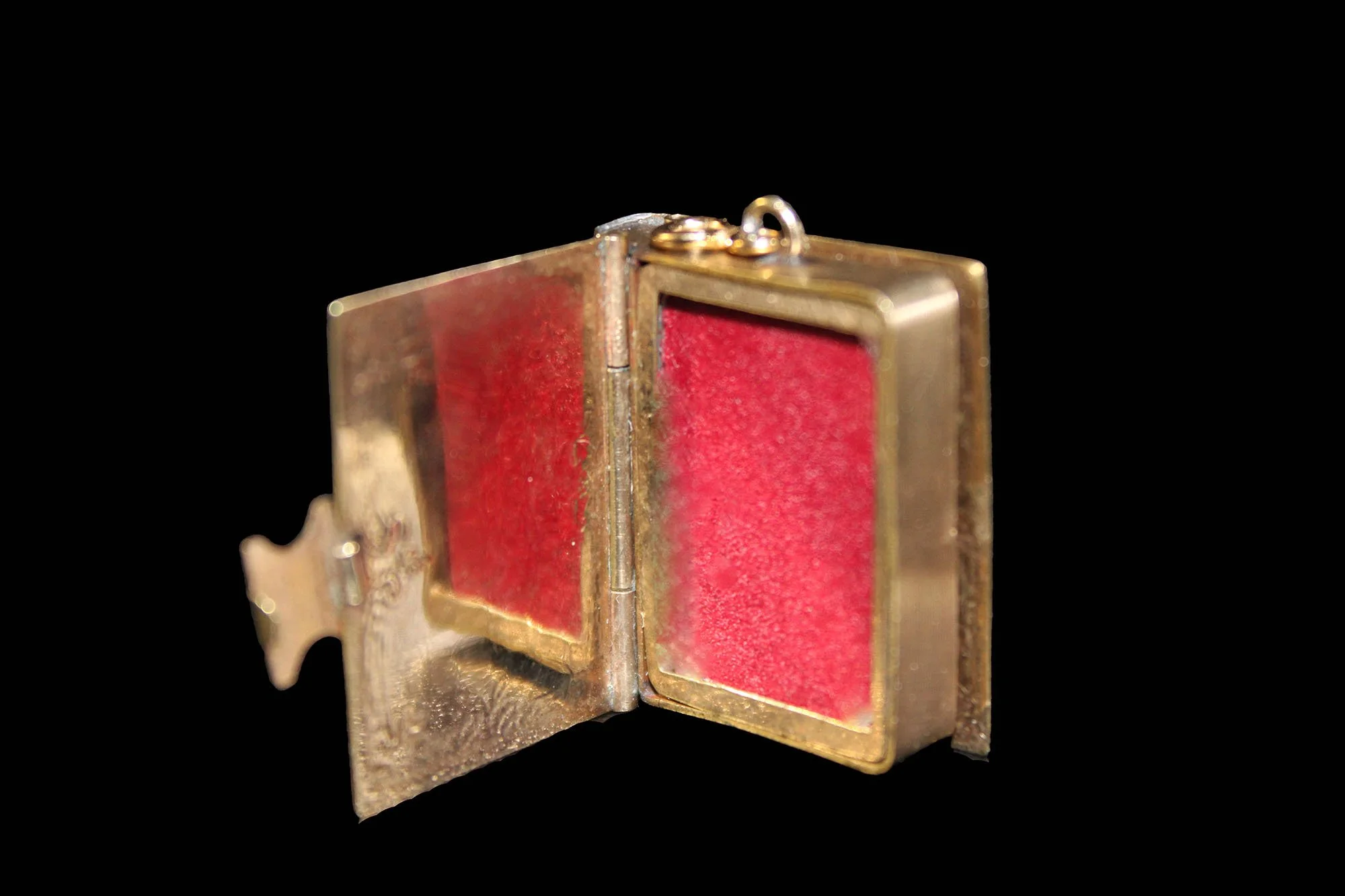
Among the most intriguing features found in antique jewelry are secret compartments—small hidden spaces ingeniously incorporated into rings, lockets, pendants, and other adornments. These concealed chambers transformed jewelry from simple ornament into deeply personal objects, capable of safeguarding messages, memories, and miniature treasures. Throughout the eighteenth and nineteenth centuries especially, such mechanisms reflected a culture in which jewelry often functioned as a private language of sentiment, secrecy, and devotion.
Jewelry as a Keeper of Secrets
In an era before modern communication technologies, personal correspondence and sentimental objects carried immense emotional value. Jewelry offered a discreet way to preserve these tokens close to the body. By incorporating hidden compartments, jewelers created objects that could protect intimate items while appearing outwardly decorative.
These concealed spaces were often accessible through clever mechanical devices—hinged panels, sliding sections, or rotating bezels—carefully integrated so that the secret remained invisible to casual observers. The ingenuity of these mechanisms reveals the remarkable technical skill of historical goldsmiths, who combined artistry with precise engineering.
Lockets and Hidden Portraits
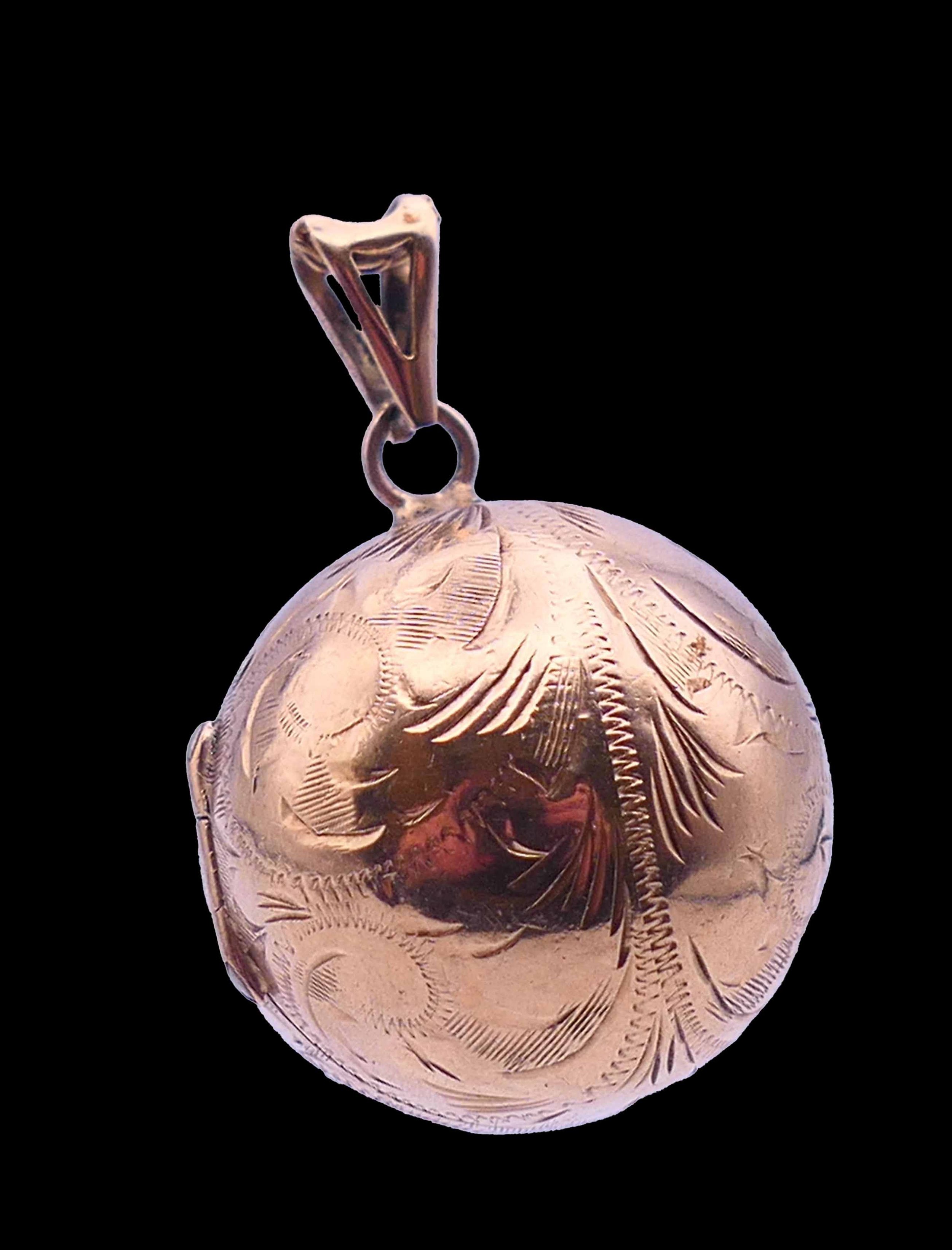
Perhaps the most familiar example of jewelry with concealed space is the locket, which frequently opened to reveal miniature portraits or locks of hair. During the eighteenth and nineteenth centuries, miniature paintings of loved ones were cherished keepsakes, and lockets allowed these images to remain close to the wearer’s heart.
In many cases, the exterior of the locket displayed a simple decorative surface, while the interior concealed the object of personal significance. This duality—public ornament and private memory—became central to the emotional appeal of such pieces.
Rings with Hidden Chambers
Secret compartments were also incorporated into rings. Some examples contain small hinged bezels or concealed panels that open to reveal miniature cavities. Historically, these spaces might hold:
A lock of hair
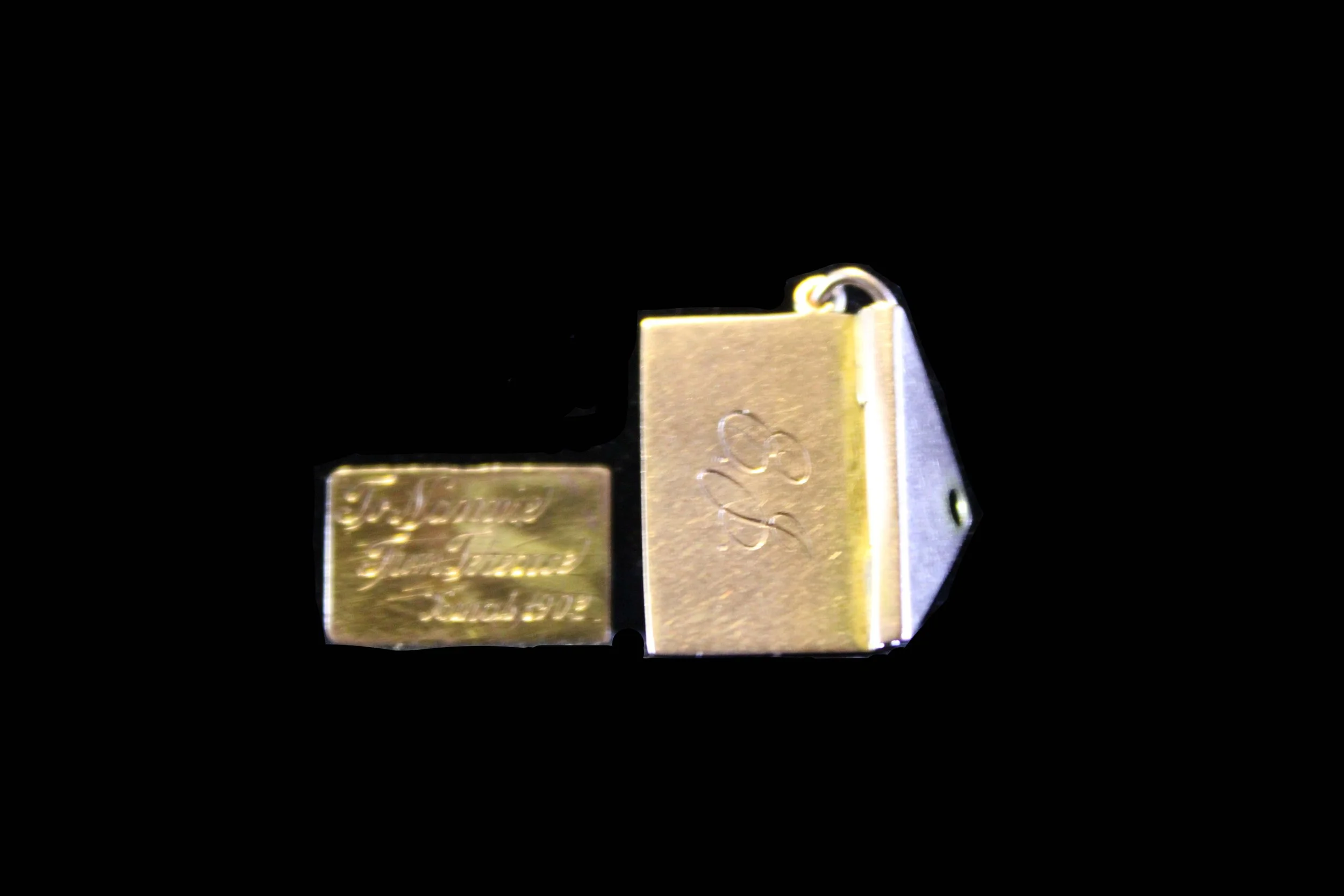
A fragment of paper or written message
A tiny relic or devotional object
In earlier centuries, certain rings with concealed spaces were even associated with poison rings, although the majority of surviving examples were used for sentimental or devotional purposes rather than intrigue.
Sentimental Jewelry and Personal Memory
During the Victorian period, jewelry increasingly functioned as a medium for emotional storytelling. Objects were designed not only for visual beauty but also to carry symbolic meaning and private memory. Secret compartments allowed wearers to preserve tokens that represented personal relationships, remembrance, or affection.
Hairwork jewelry offers one example of this practice. Locks of hair—often braided or preserved within jewelry—served as tangible connections to loved ones. Hidden compartments sometimes allowed additional strands or personal mementos to be stored discreetly.
Mechanical Ingenuity
The construction of secret compartments required exceptional craftsmanship. Jewelers developed sophisticated miniature mechanisms to ensure that openings were both secure and nearly invisible. Hinges might be concealed within decorative motifs, and clasps designed to blend seamlessly with engraved surfaces.
Such precision highlights the technical ingenuity of historical goldsmiths, who balanced structural complexity with aesthetic refinement.
Symbolism and Meaning
The presence of a hidden compartment reflects a broader cultural idea: that jewelry could embody both outward identity and inward emotion. What appeared to be a simple ornament often contained a deeper personal narrative known only to the wearer.
In this way, secret compartments transformed jewelry into intimate repositories of memory, devotion, and secrecy. These objects remind us that antique jewelry was never merely decorative; it served as a vessel for the most private aspects of human experience.
Today, pieces with concealed spaces continue to fascinate collectors and historians alike. They reveal a world in which craftsmanship, symbolism, and personal sentiment were intricately intertwined—where even the smallest jewel might hold a story hidden just beneath the surface.