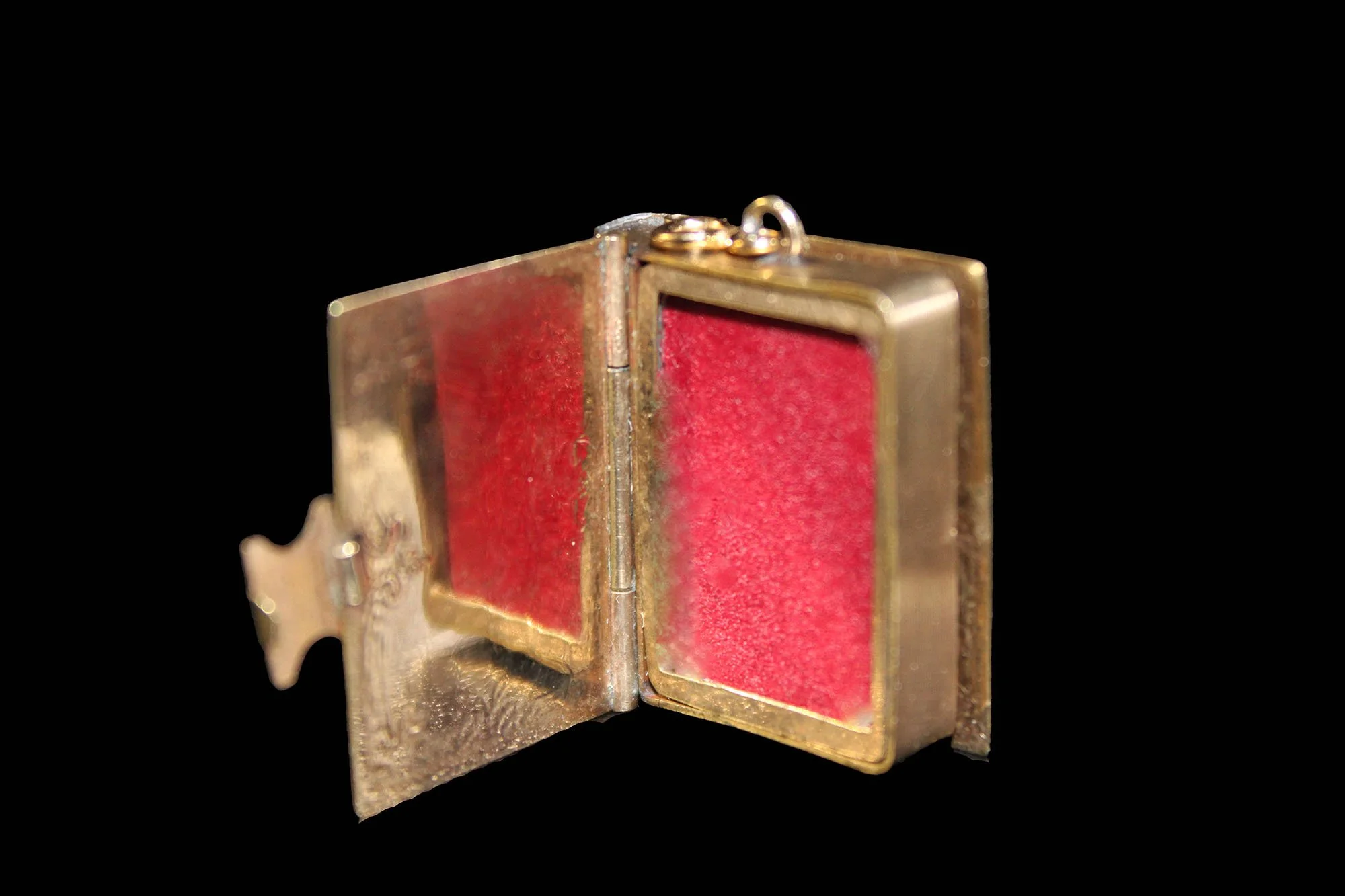
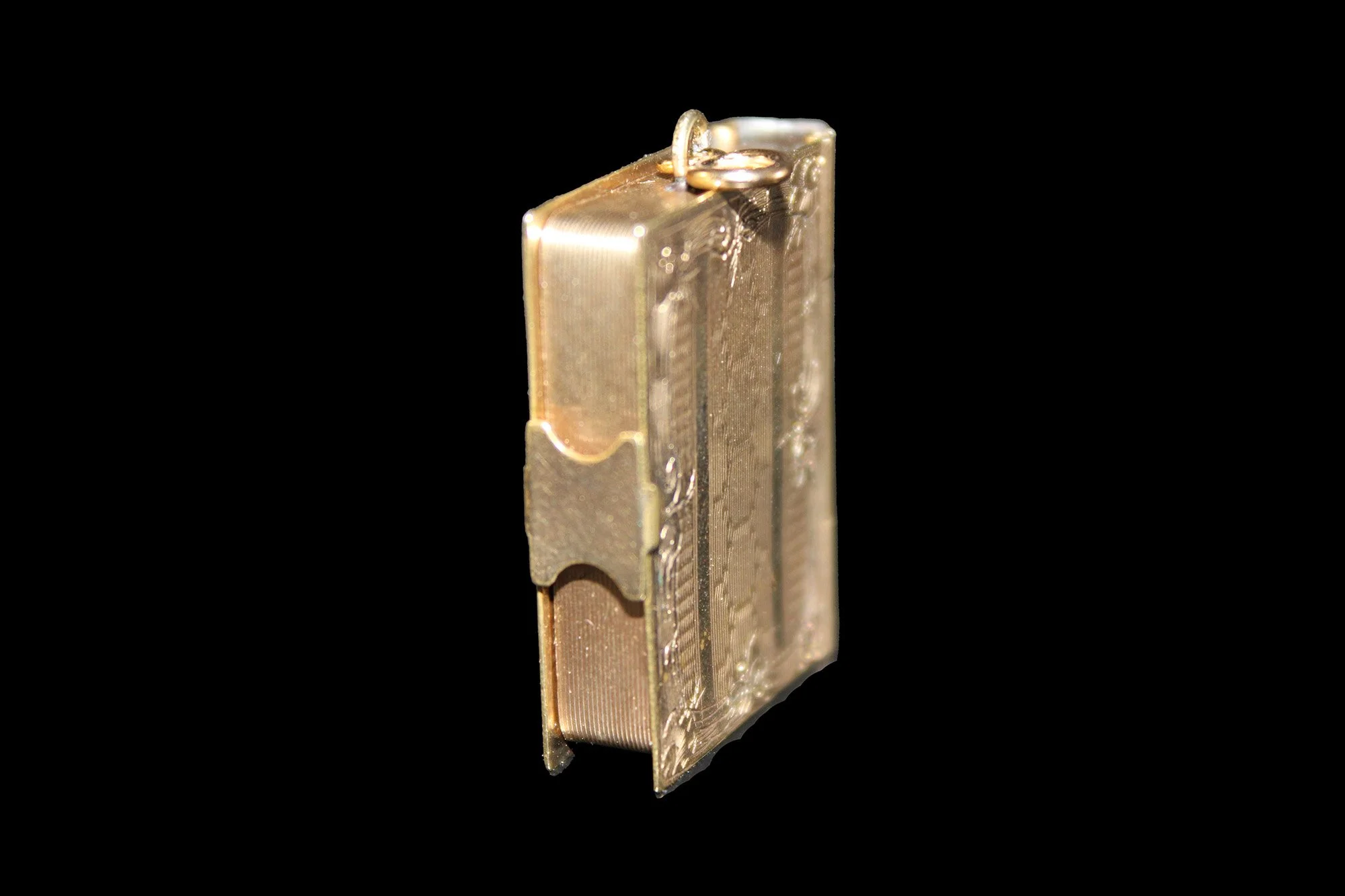
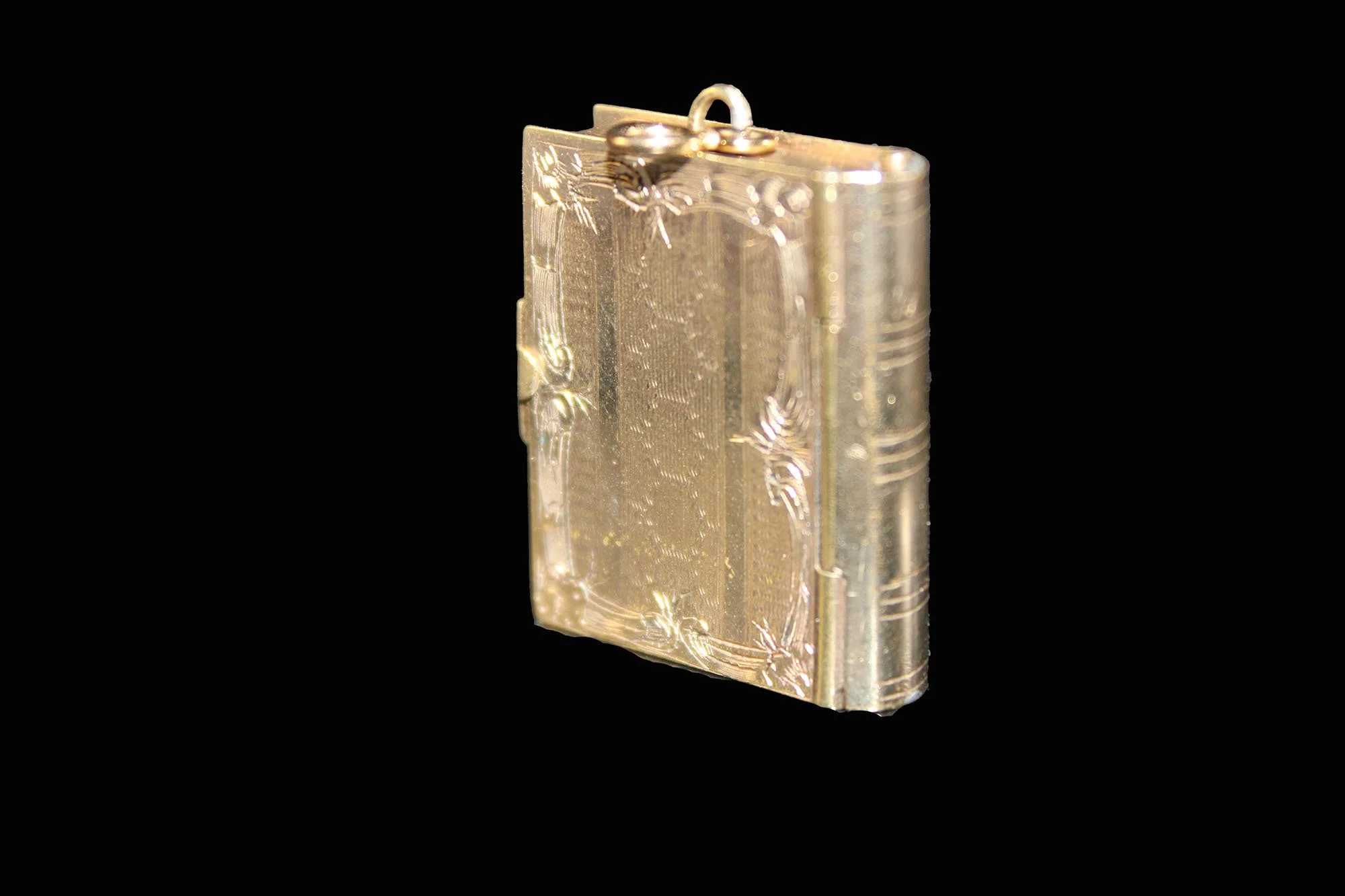
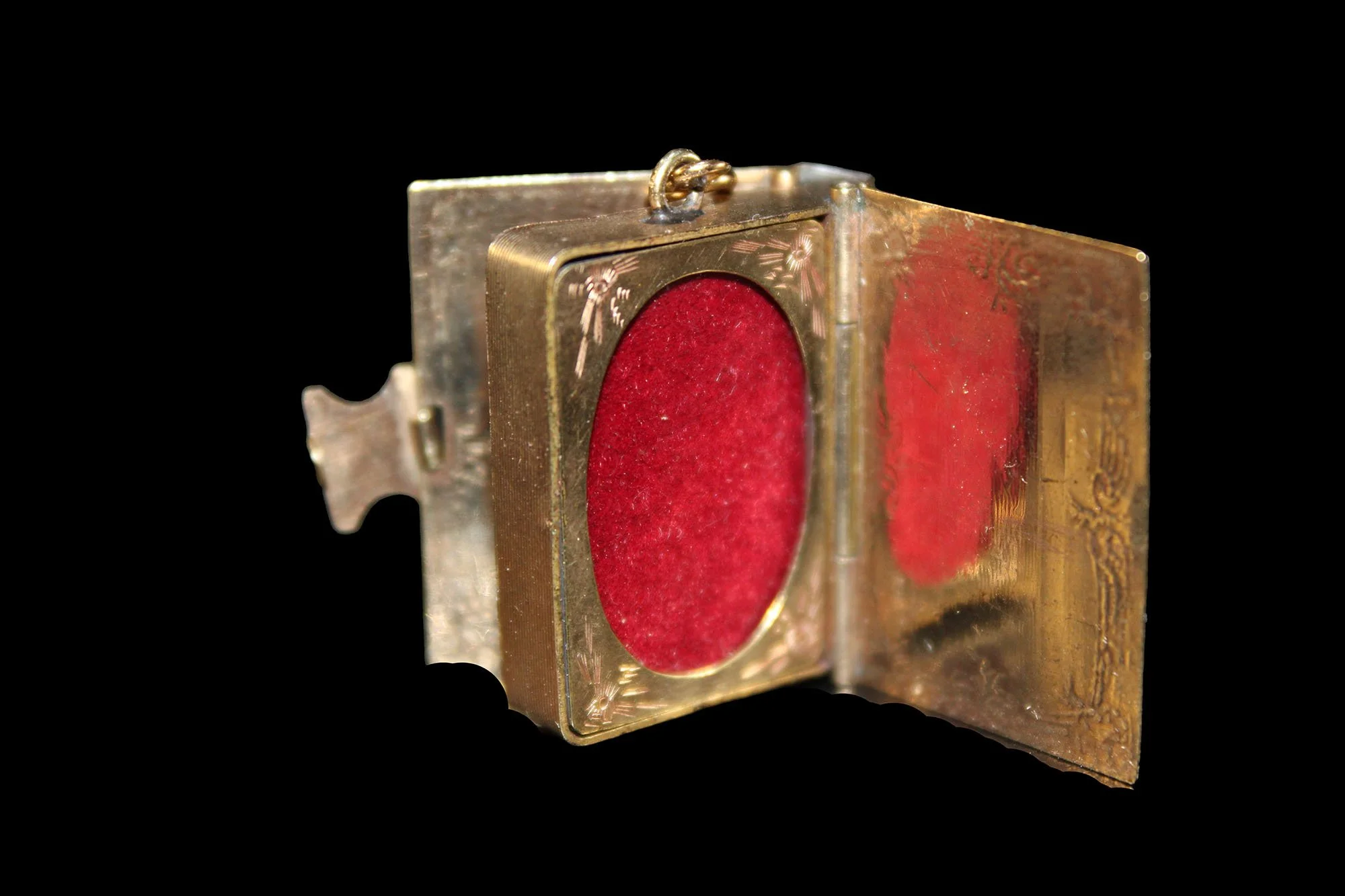
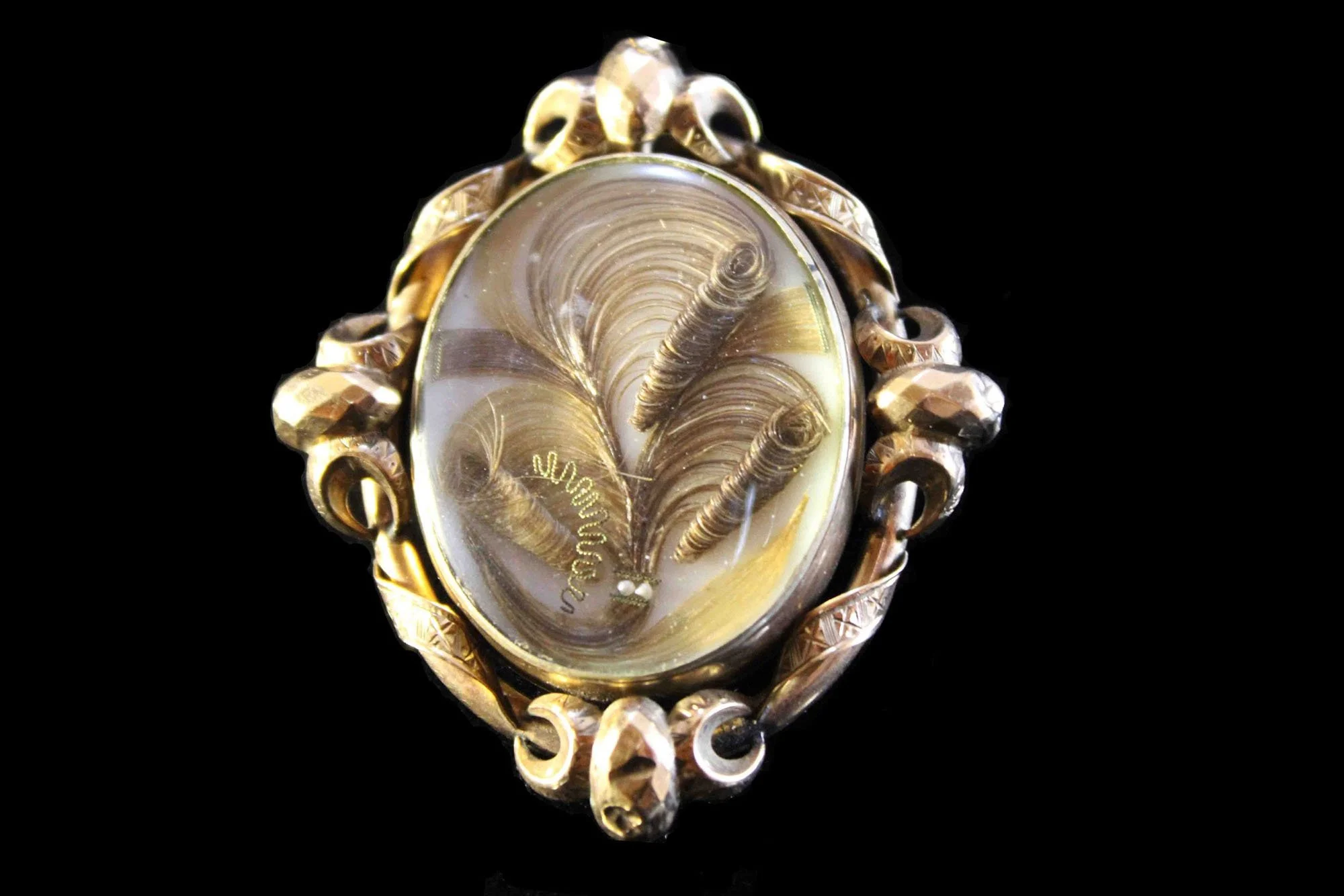
Victorian Gold Propelling Pencil
England, late 19th century
This finely engineered Victorian propelling pencil crafted in 9K gold embodies the nineteenth century’s deep cultural connection between writing, sentiment, and personal expression. Measuring approximately two inches in length and designed to attach to a watch chain, the piece represents both technological ingenuity and the romantic rituals of correspondence that defined Victorian society.
The propelling pencil emerged during the early nineteenth century as a mechanical innovation that allowed the graphite core to be advanced through a rotating or sliding mechanism. Unlike traditional wooden pencils, these instruments could be reused indefinitely and carried elegantly as part of a gentleman’s everyday accessories.
Gold examples such as this were never purely utilitarian. In the Victorian world, writing instruments held profound symbolic meaning. The act of writing letters was central to courtship, friendship, and intellectual exchange. Lovers composed carefully worded correspondence, poets drafted verses, and diarists recorded the emotional textures of daily life.
Objects associated with this practice—gold pencils, seal fobs, desk seals, and lockets containing letters—became cherished companions to the written word. When attached to a watch chain, a gold propelling pencil remained readily accessible, ready to record a thought, compose a note, or draft a letter whose sentiments might travel great distances.
Today these small mechanical marvels stand as relics of a slower and more deliberate form of communication. They remind us that before the age of instant messages and digital text, affection, memory, and devotion were carried through ink and graphite across carefully folded pages.


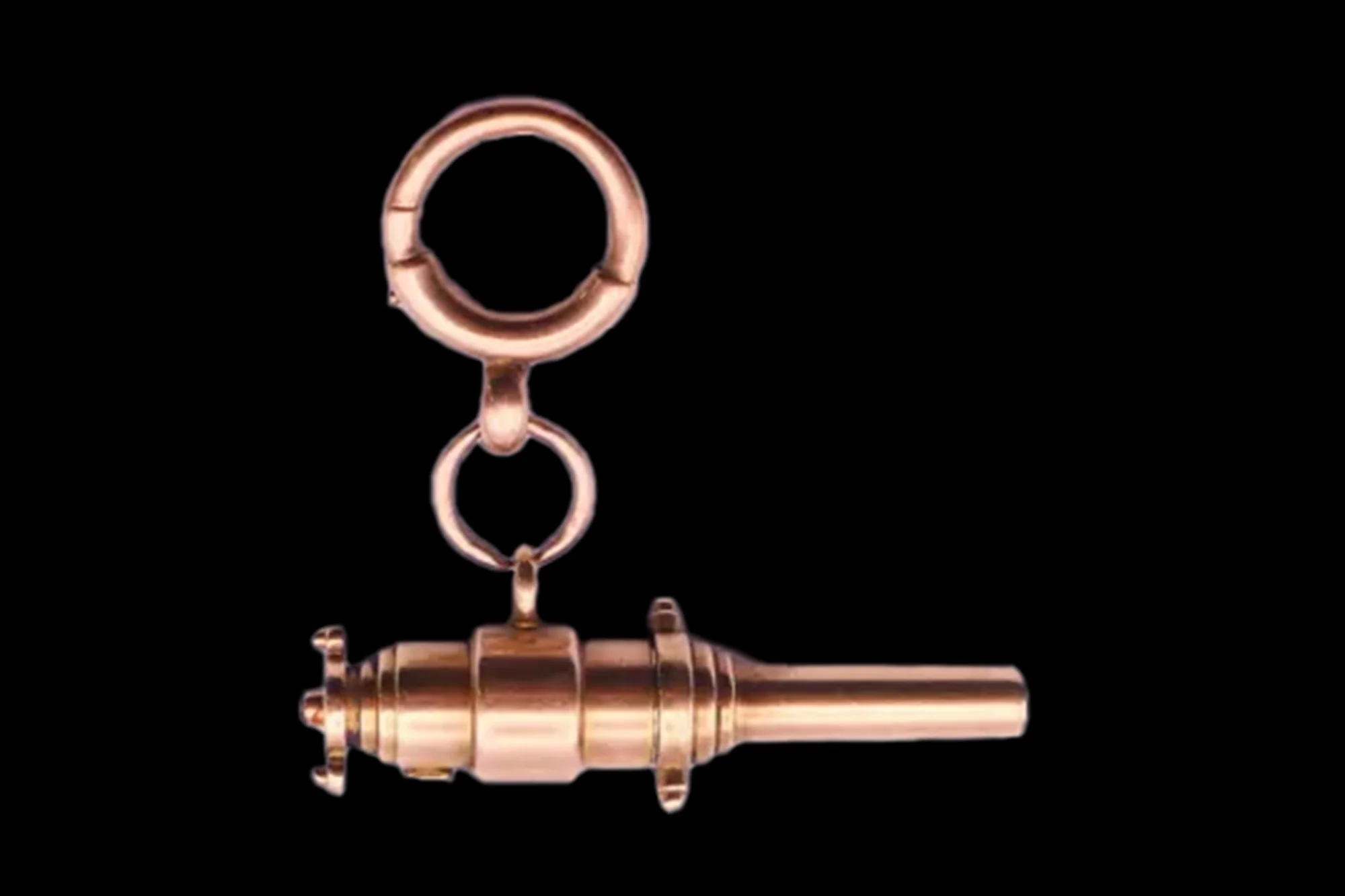 Image 1 of 7
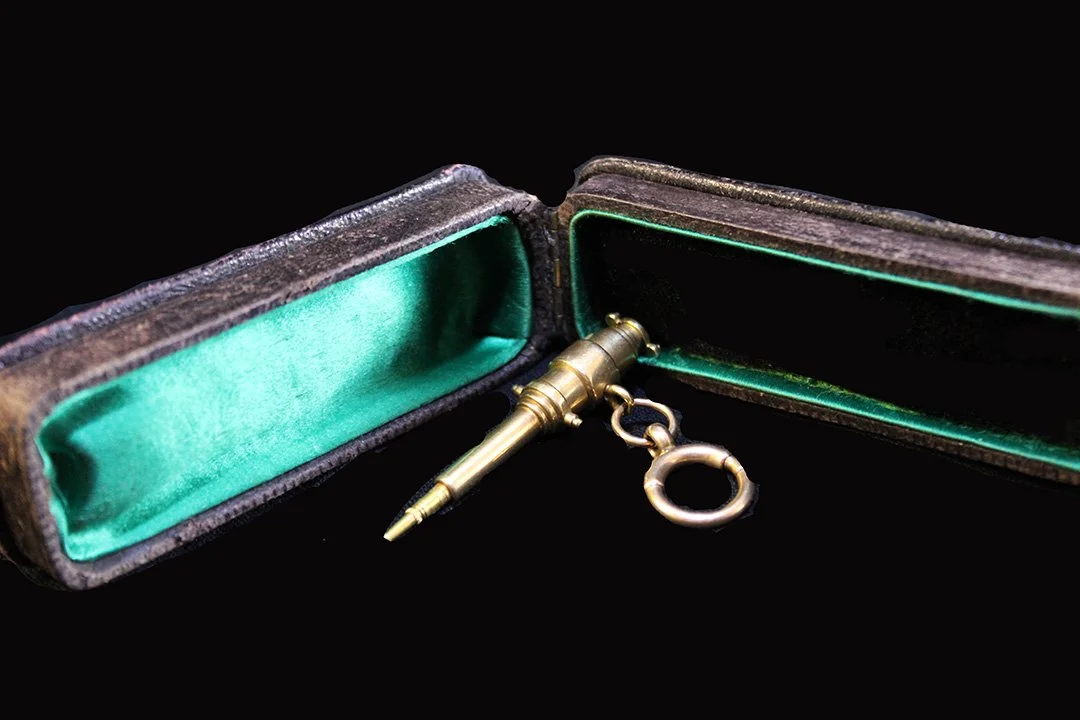 Image 2 of 7
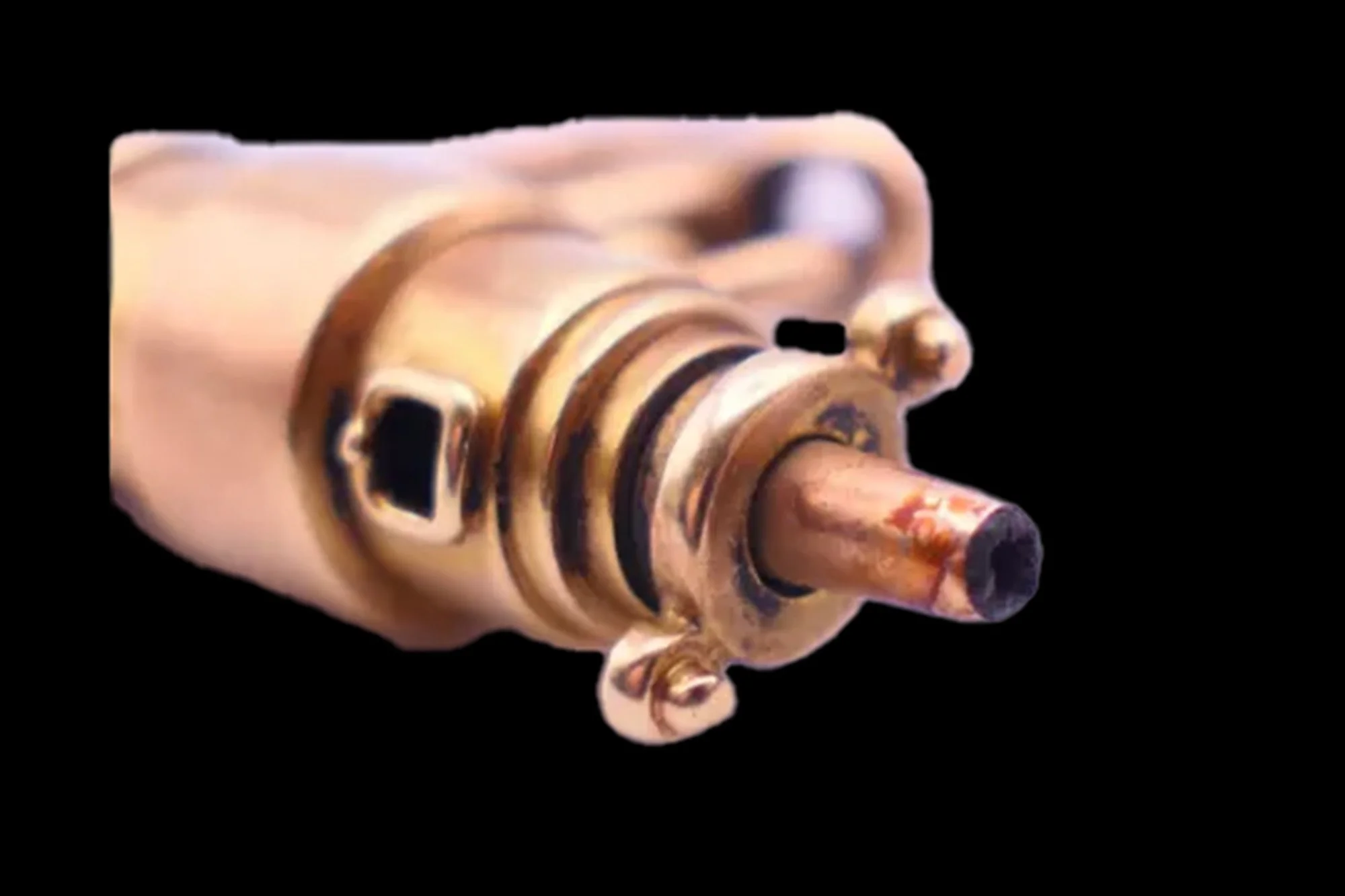 Image 3 of 7
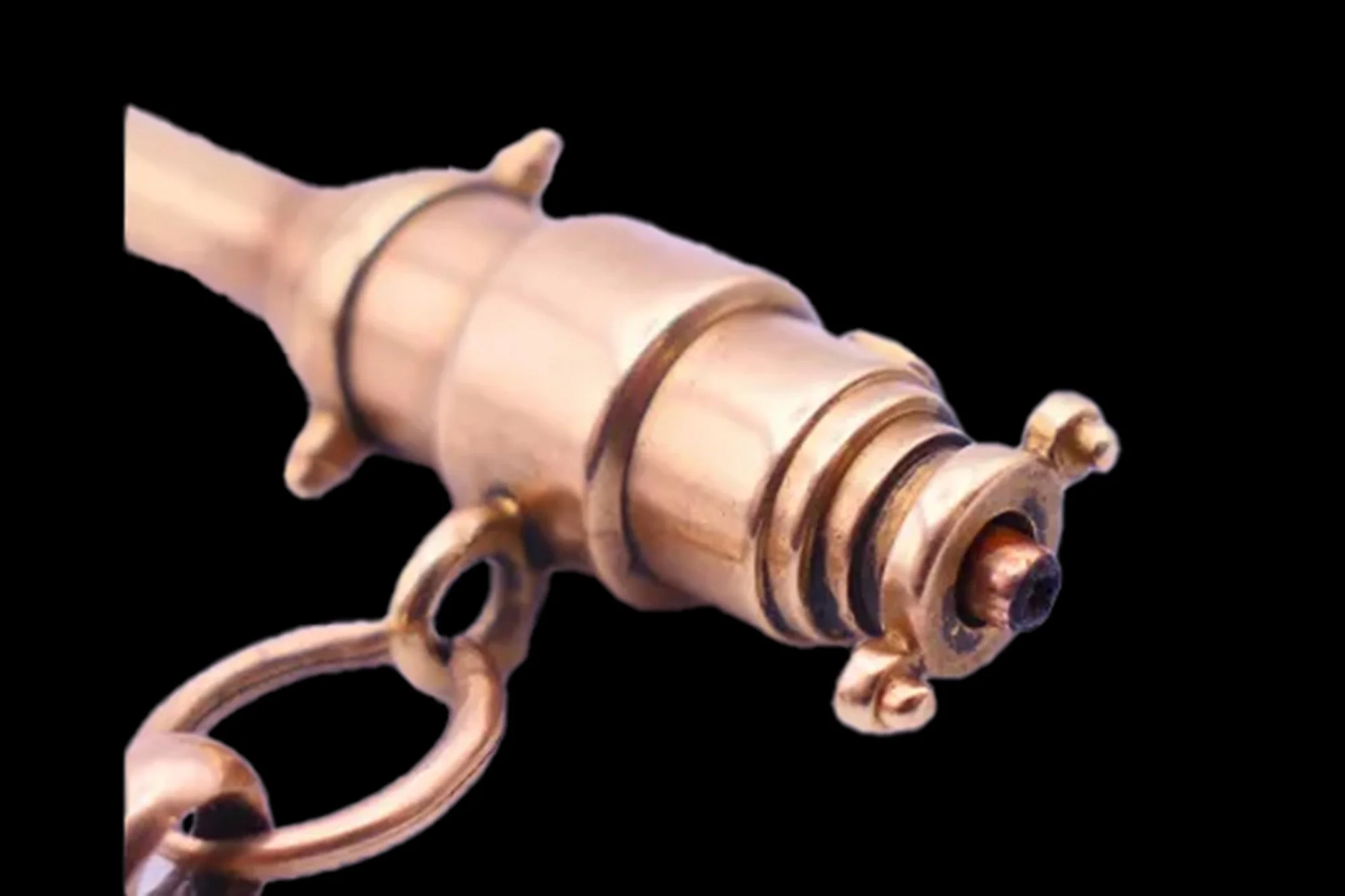 Image 4 of 7
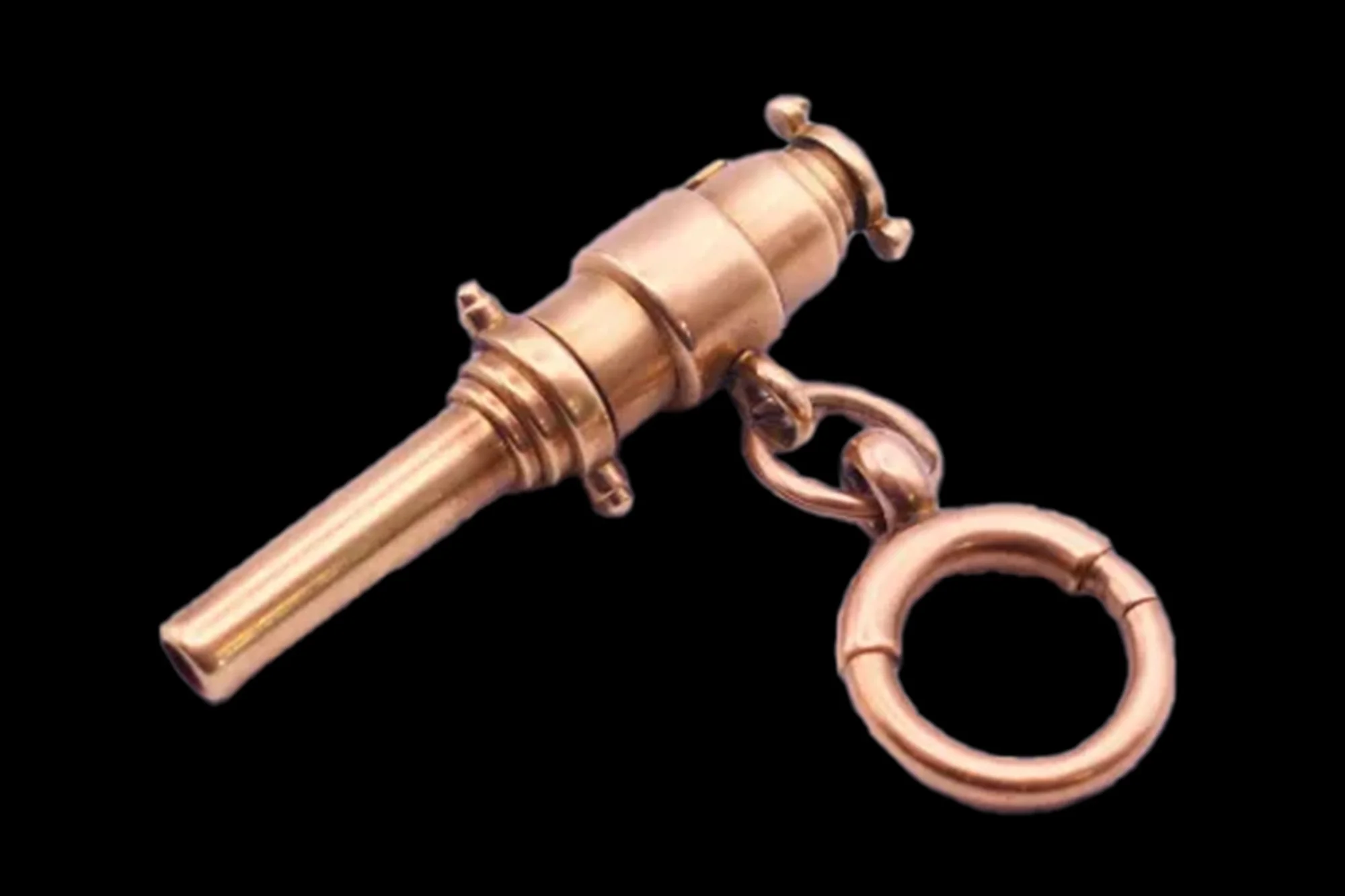 Image 5 of 7
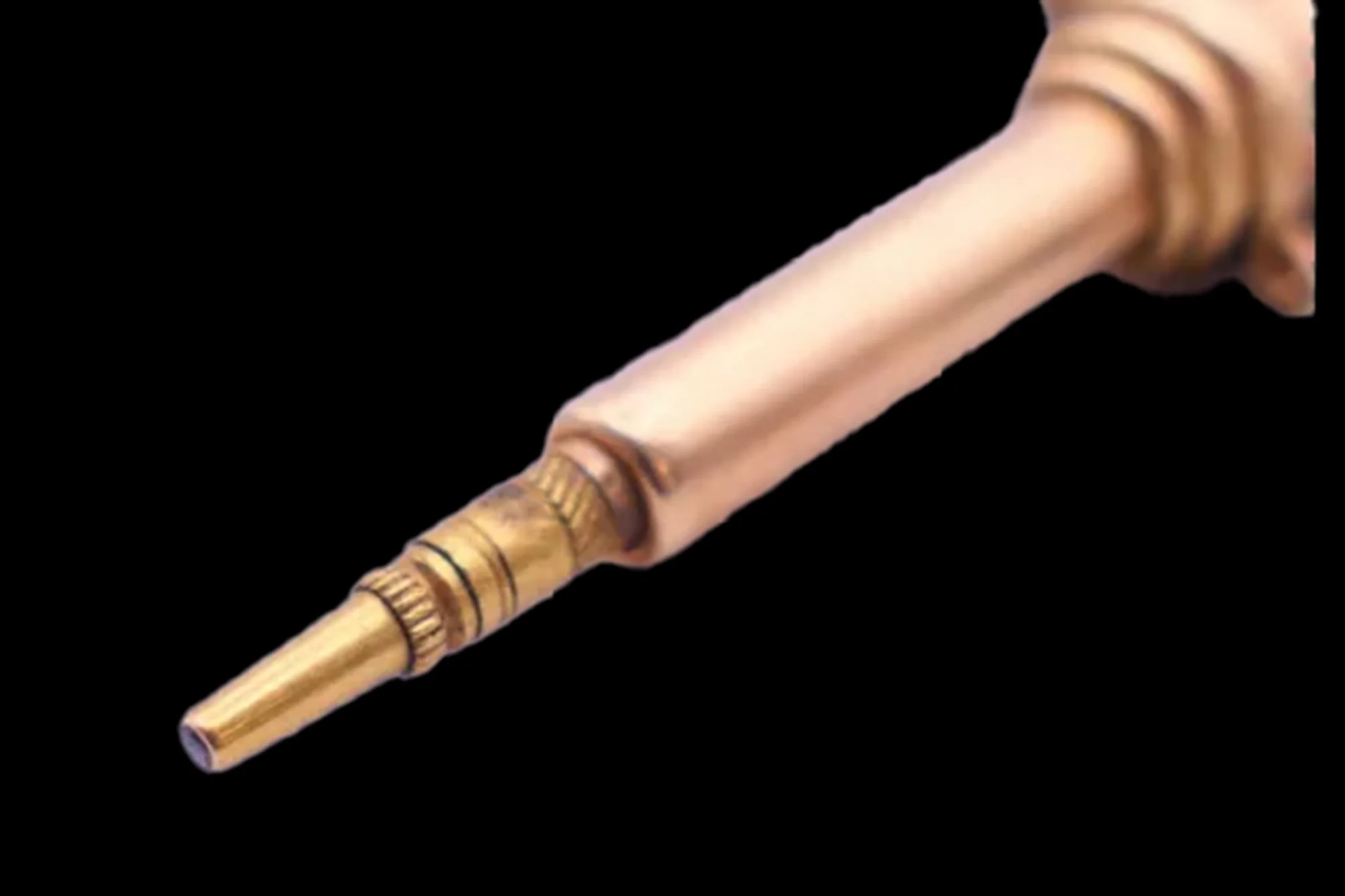 Image 6 of 7
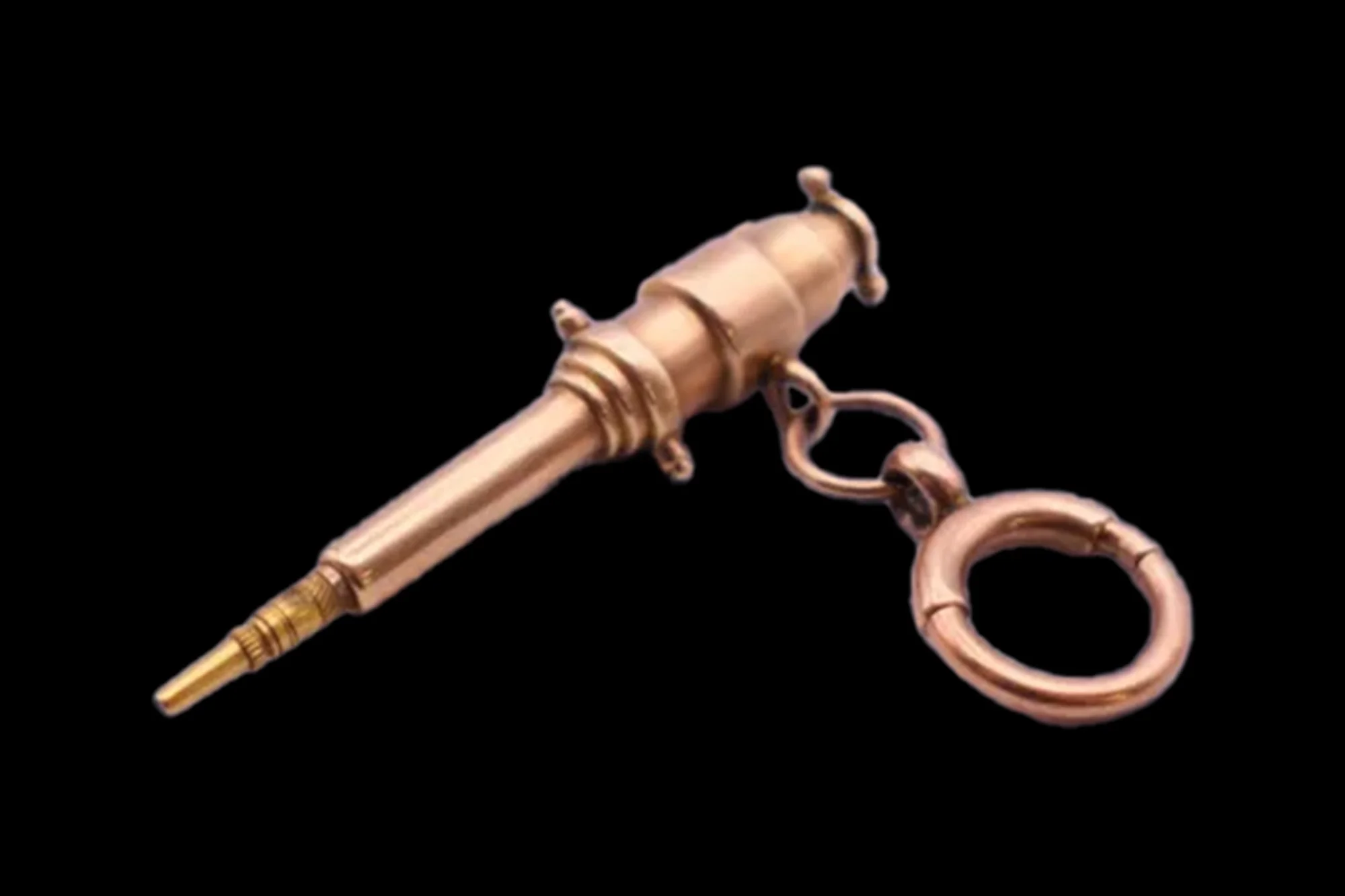 Image 7 of 7