A Constellation of Diamonds: A Diamond Cluster Ring
Early Twentieth century, circa 1910
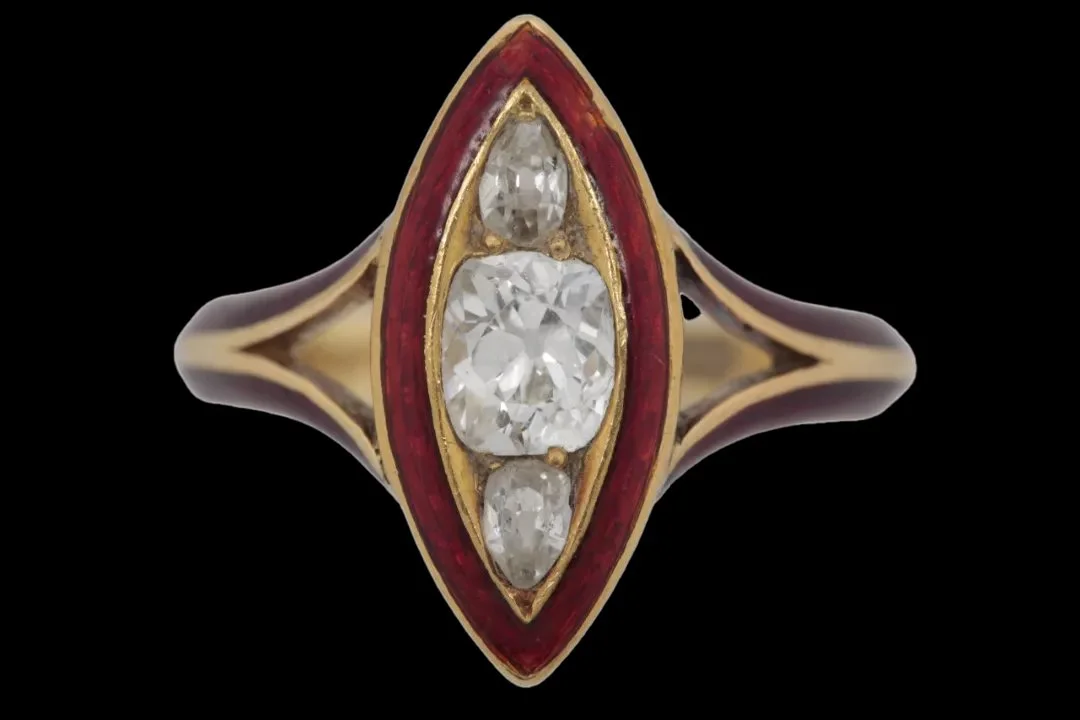
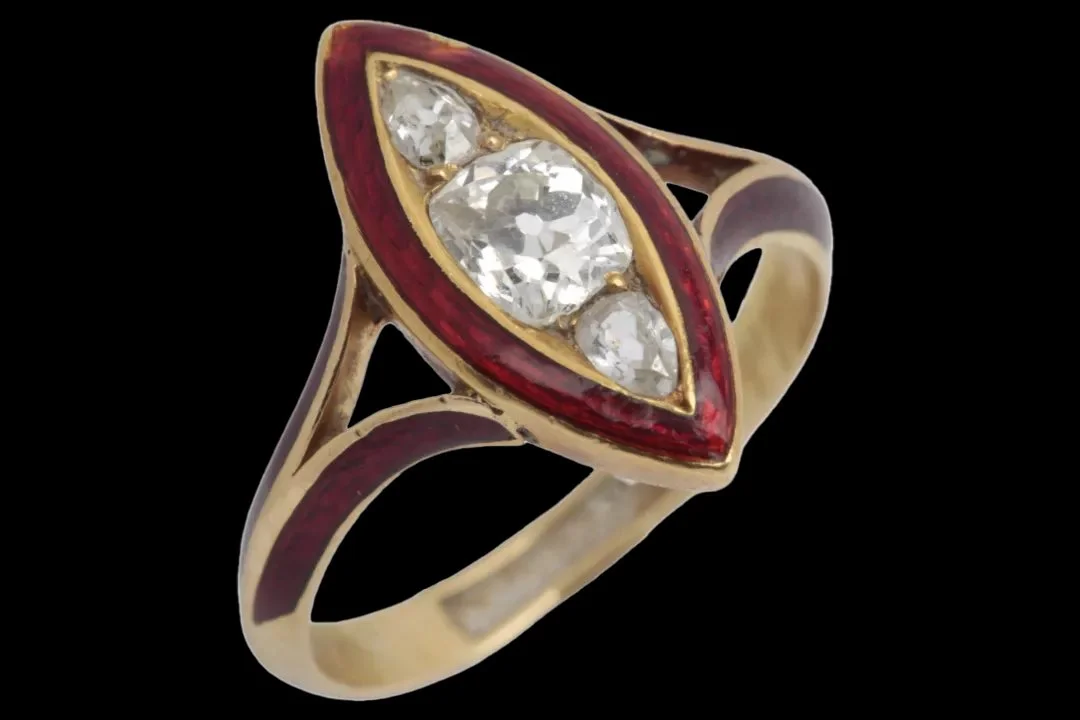
An elegant example of early 20th century diamond jewelry, this antique cluster ring brings together eight individually set diamonds in a compact, luminous composition. Comprising circular-cut and cushion-shaped stones with an estimated combined weight of approximately 1.25 carats, the ring reflects the enduring preference for diamonds arranged to maximize their collective brilliance.
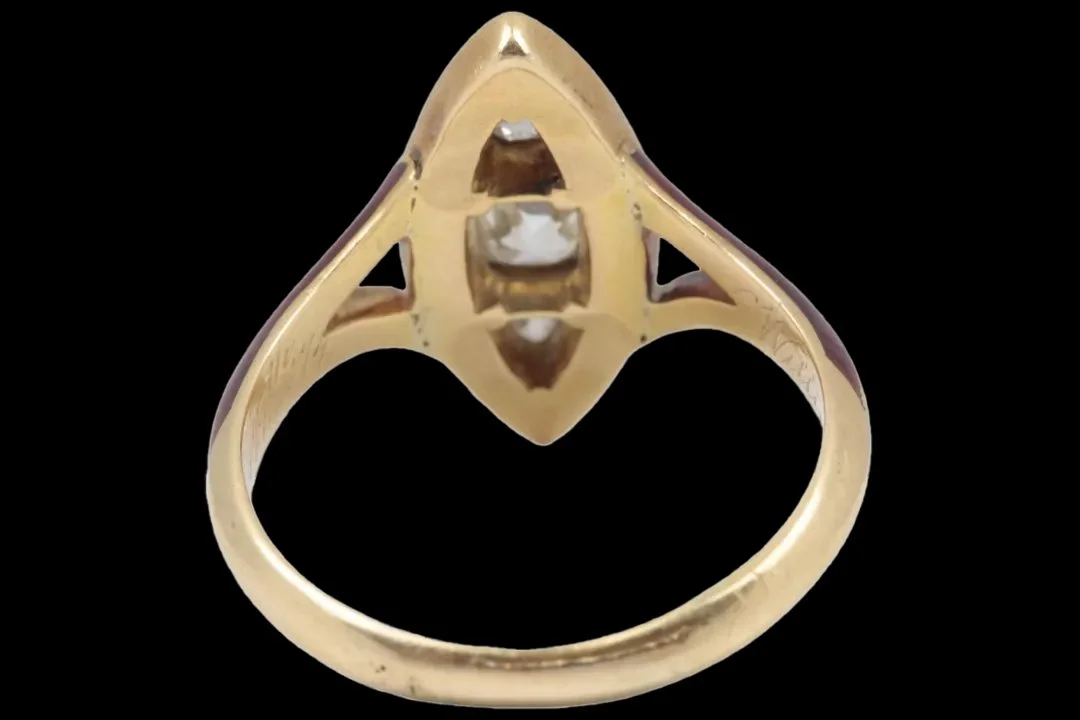
The central diamond is surrounded by seven closely grouped stones of subtly varying proportions, creating a softly rounded cluster reminiscent of a flower in bloom. Each diamond is secured within an individual claw setting, its elevated position allowing light to enter the arrangement and illuminate the distinctive faceting of the antique stones.The cluster is mounted in 18-carat white gold, its pale metalwork creating an uninterrupted visual relationship with the diamonds. The slender, gently tapering band provides an understated counterpoint to the elaborate setting, allowing the brilliance and architectural character of the cluster to remain the focus of the design.
The Diamond Cluster’s history in Jewelry
Diamond cluster rings occupied an important position in 19th and early 20th century jewelry, continuing a design tradition established during the Georgian period and refined throughout the Victorian era. By arranging several diamonds in close proximity, goldsmiths could create the impression of a larger, more substantial jewel while introducing complexity through the relationship between individual stones.
Floral cluster arrangements were particularly popular. Their circular compositions recalled daisies, rosettes, and other botanical forms that had long appeared in European decorative arts. During the Victorian and Edwardian periods, flowers acquired additional significance through the widespread popularity of floriography, the symbolic language of flowers. Botanical motifs could communicate sentiments of affection, fidelity, remembrance, and devotion, although their precise meanings varied according to the flower, cultural context, and personal interpretation. This ring's rounded cluster evokes this floral tradition without depicting a specific botanical species. Its arrangement belongs to a broader vocabulary of ornamental designs in which the natural world provided inspiration for jewelry intended to celebrate beauty, affection, and enduring personal attachment.
Antique Diamonds and the Character of Hand Cutting
One of the most compelling qualities of early 20th century diamond jewelry is the individuality of its stones. Before the widespread standardization of modern brilliant cutting, diamonds were fashioned according to the characteristics of the rough crystal, the judgment of the cutter, and the technological possibilities of the period. Cushion-shaped diamonds, including old mine-cut examples, often display gently rounded corners, relatively high crowns, and distinctive facet arrangements. Circular antique cuts may exhibit variations in symmetry, proportions, and facet alignment that distinguish them from contemporary machine-assisted cutting. These characteristics produce a quality of light quite different from the highly calibrated brilliance of modern diamonds. Rather than emphasizing uniformity, antique stones frequently reveal broader flashes of light and a lively interplay of reflections that change with the movement of the hand. The eight diamonds in this ring demonstrate the visual richness of combining stones of slightly differing shapes and proportions. Their arrangement creates a collective brilliance while preserving the individual character of each gem.
The Evolution of Diamond Settings
The use of pale metals in diamond jewelry reflects an important development in early 20th century goldsmithing. White metals had long been favored for diamond settings because its white appearance complemented the colorless brilliance of the stones. During the Georgian and much of the Victorian periods, diamonds were frequently mounted in silver above gold-backed constructions, combining the visual advantages of silver with the durability and relative resistance to tarnishing of gold against the skin. Toward the end of the nineteenth century, advances in metallurgy and jewelry manufacturing gradually expanded the use of alternative white metals, including platinum.
Historical Significance
This early 20th century diamond cluster ring illustrates the enduring appeal of floral-inspired compositions and the craftsmanship associated with antique diamond cutting. Its significance lies in the relationship between the stones, their individual faceting, and the carefully constructed setting that brings them together. For the contemporary collector, it offers the distinctive character of antique diamonds within a timeless cluster design. Eight individual diamonds, united in a single luminous composition, preserve the character and craftsmanship of an earlier era of jewelry making.


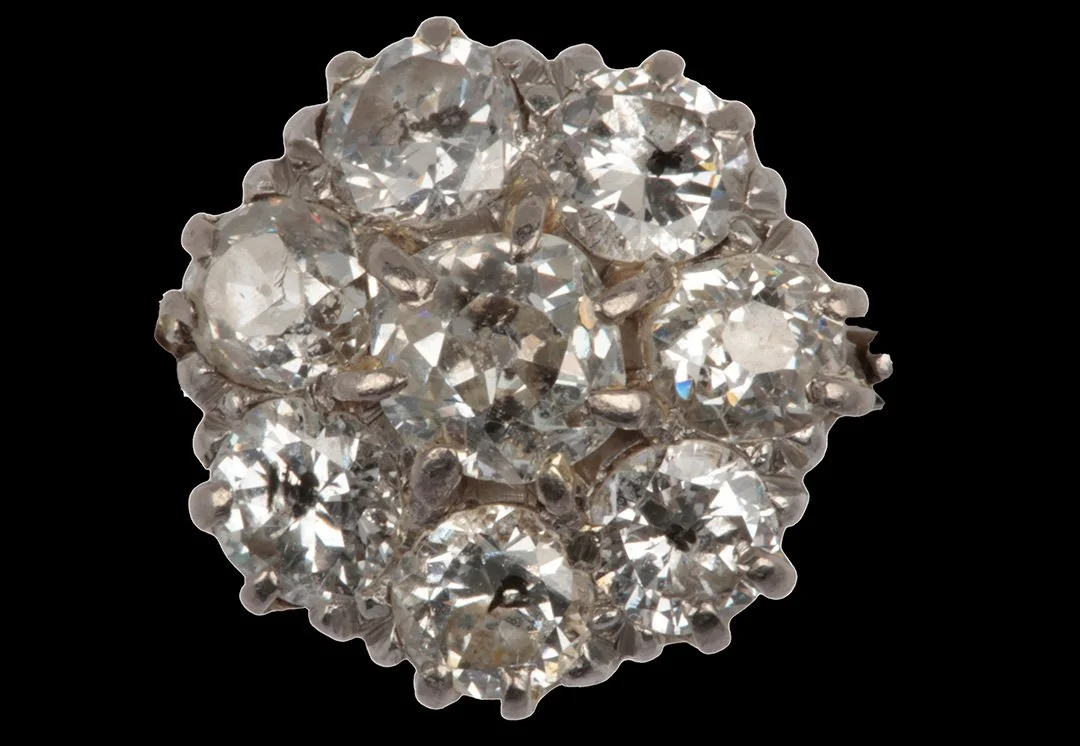 Image 1 of 3
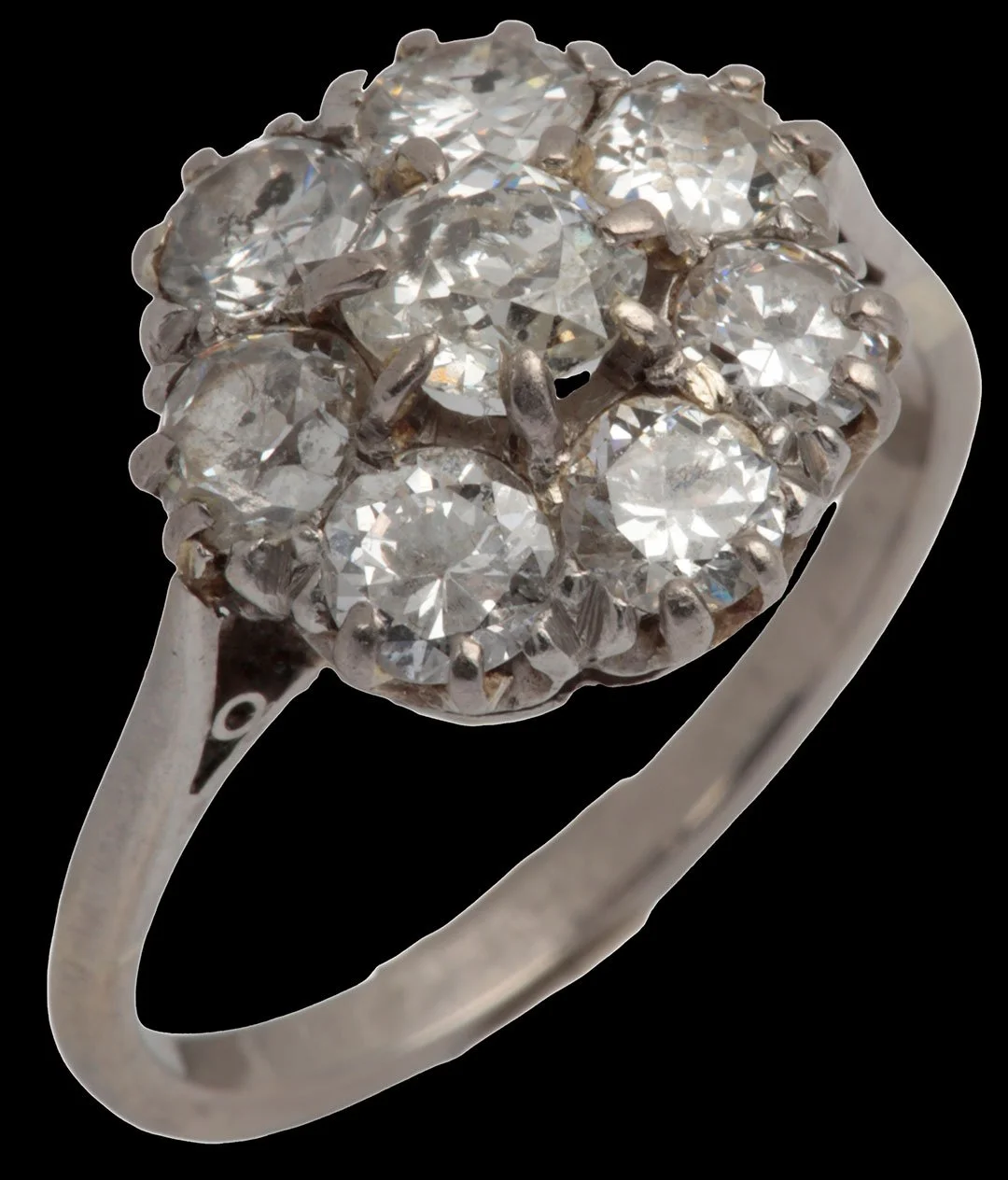 Image 2 of 3
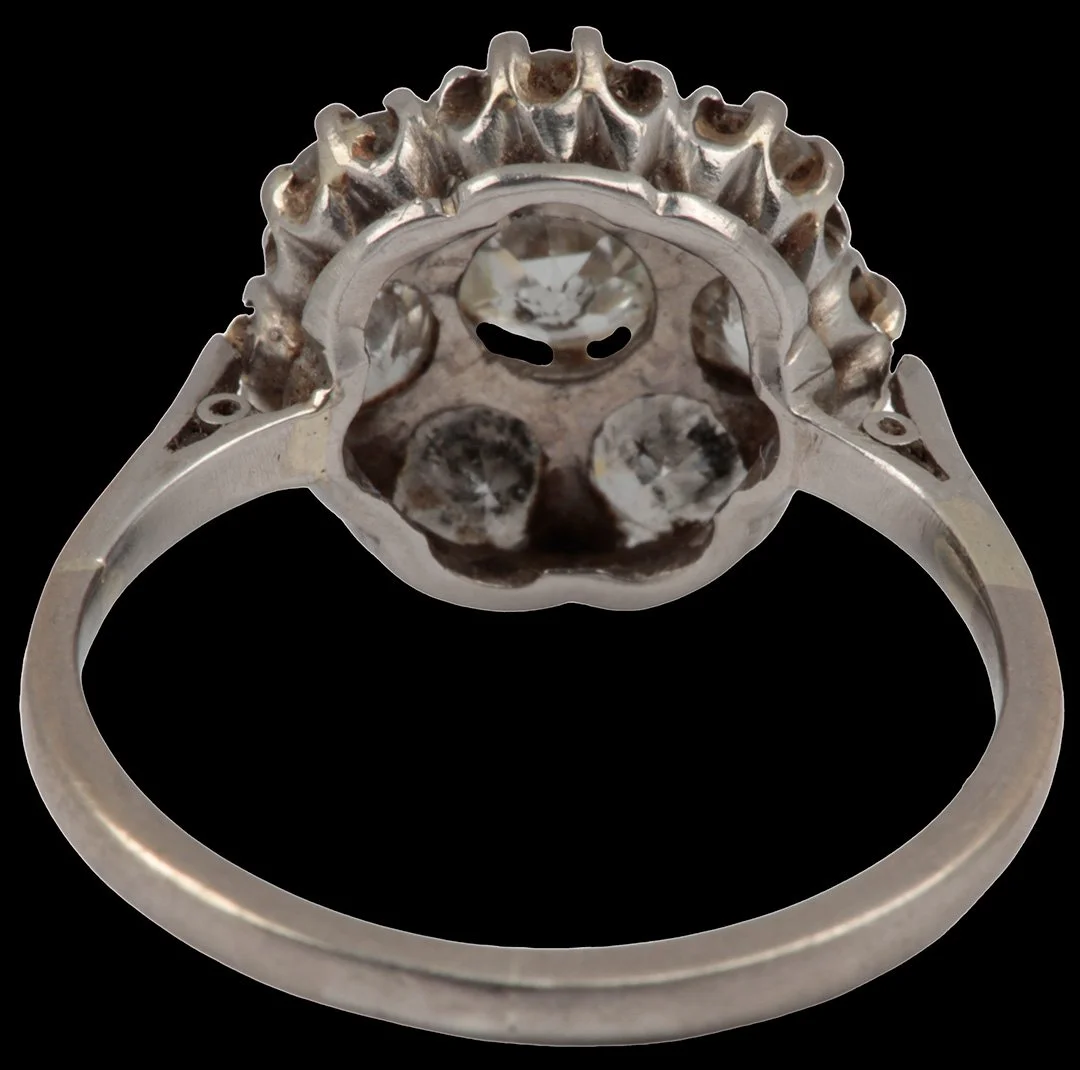 Image 3 of 3