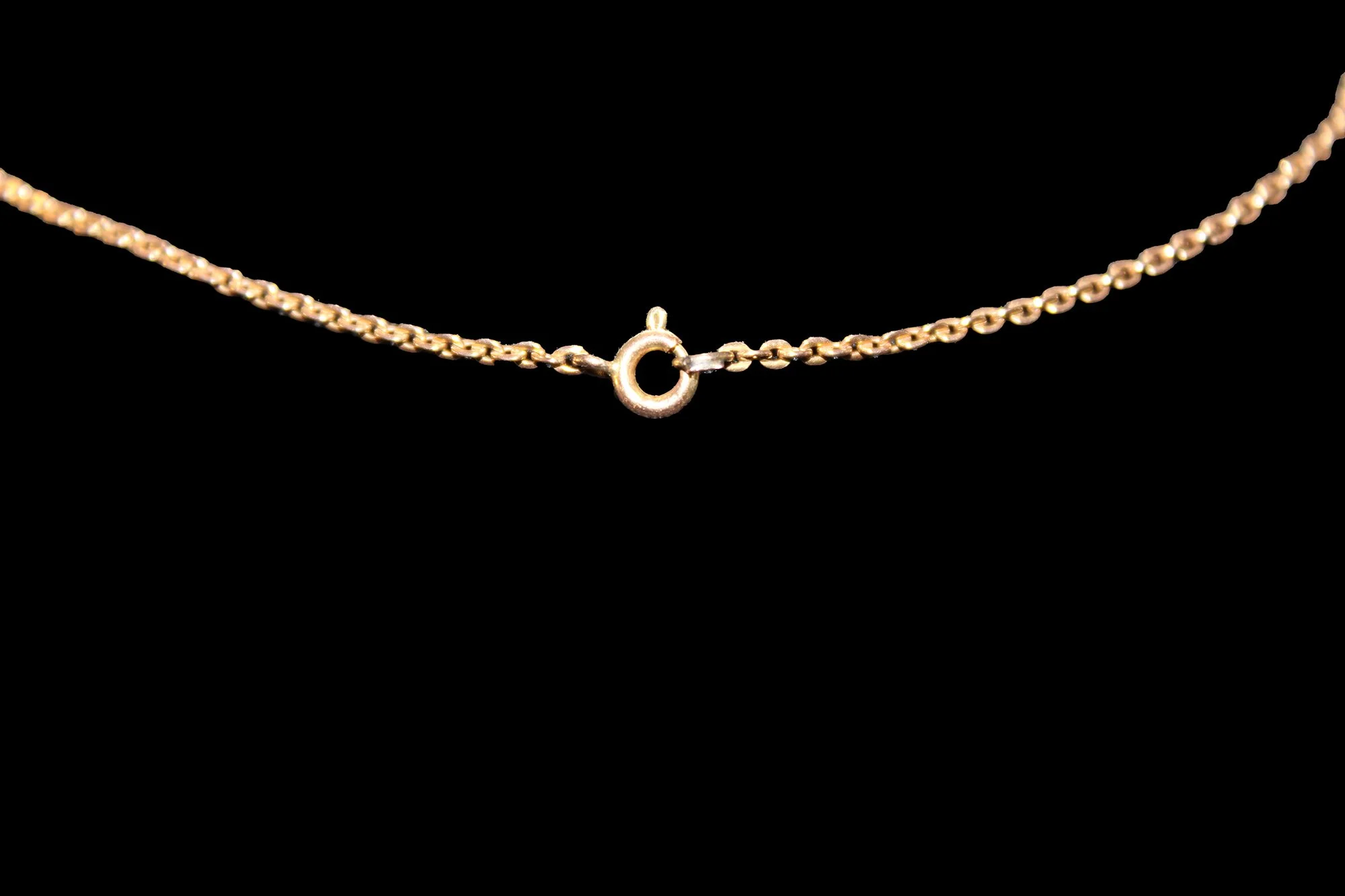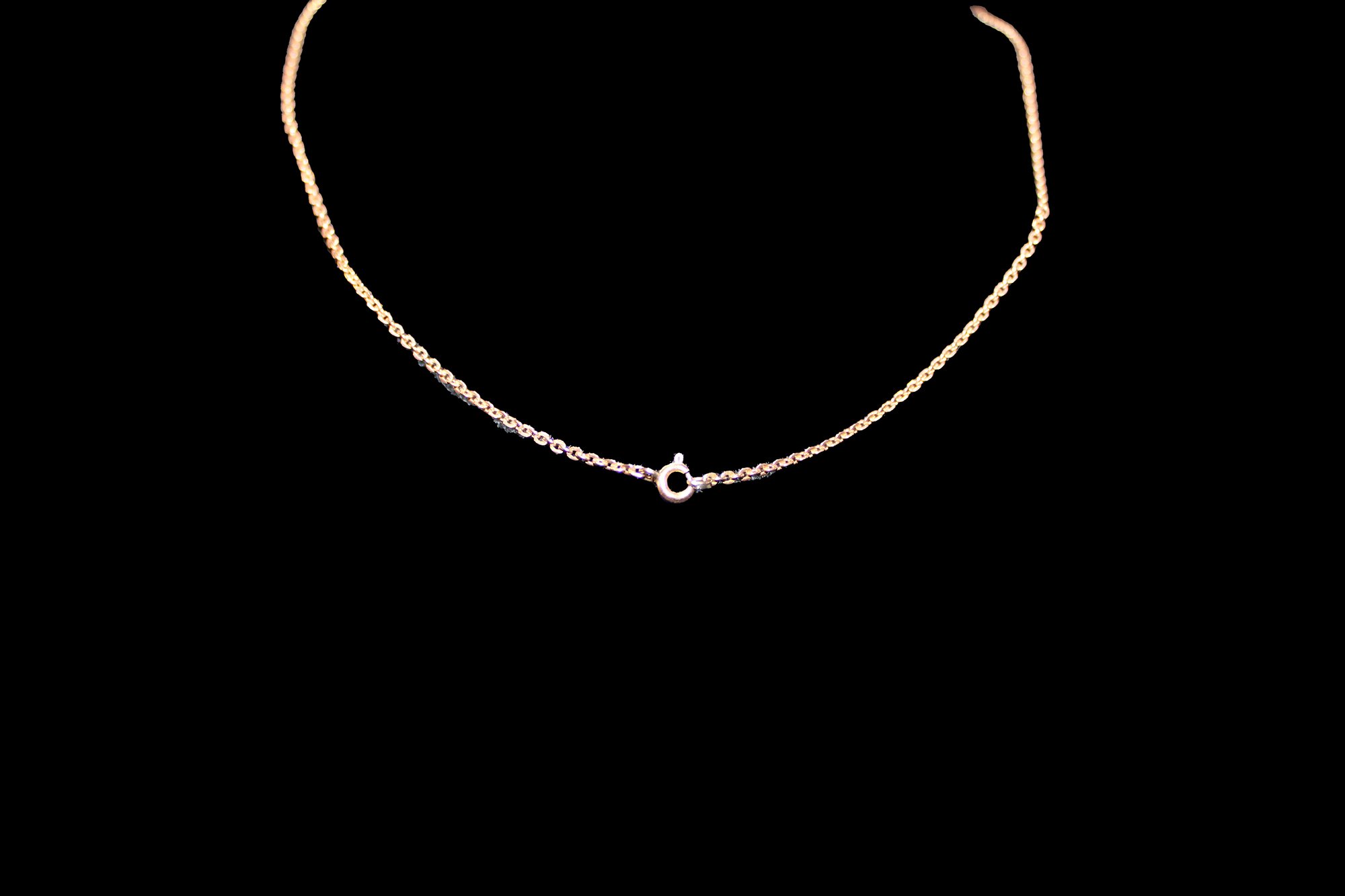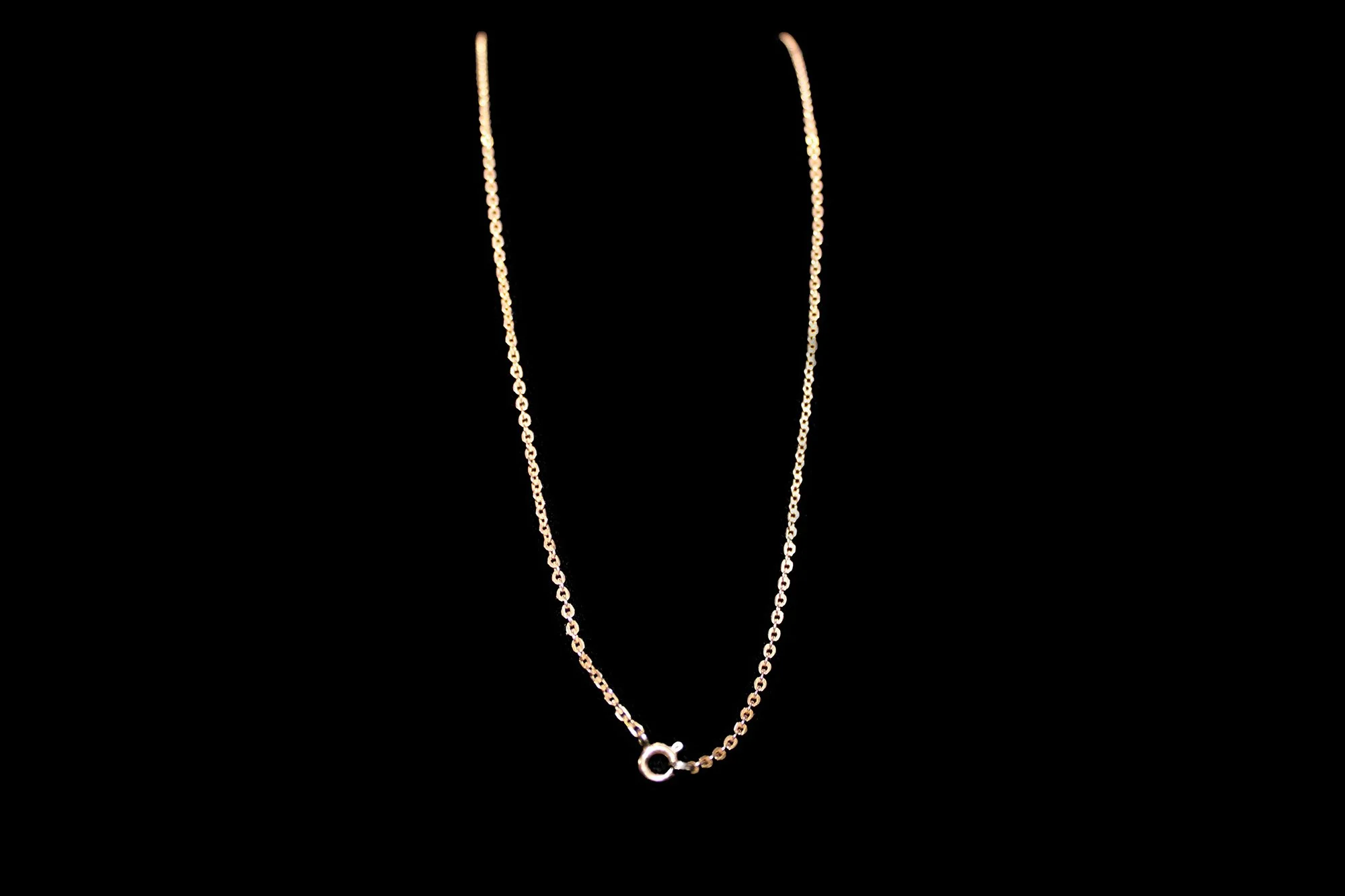
Victorian Mechanical Jumping Devil Pendant
England, dated 8 December 1901
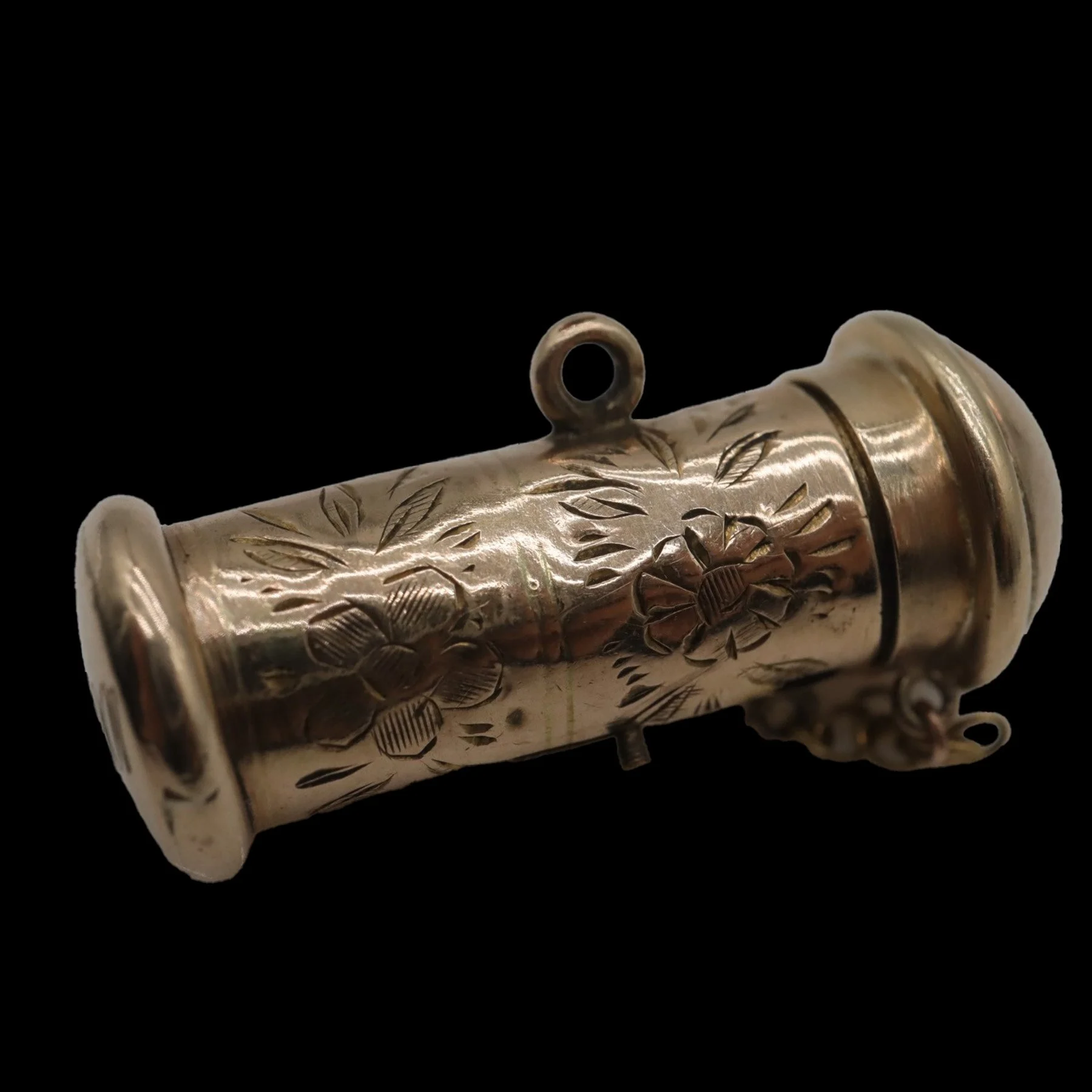
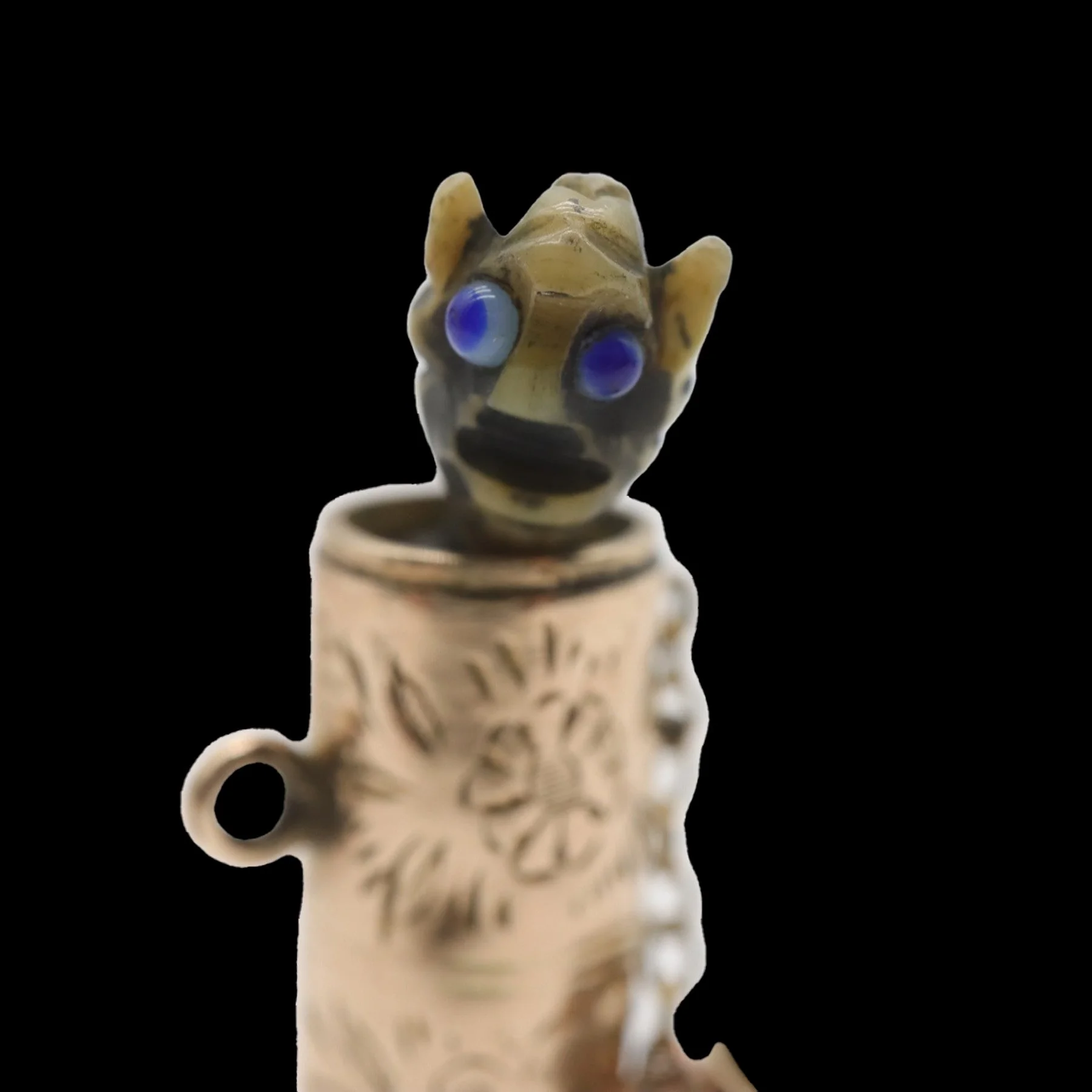
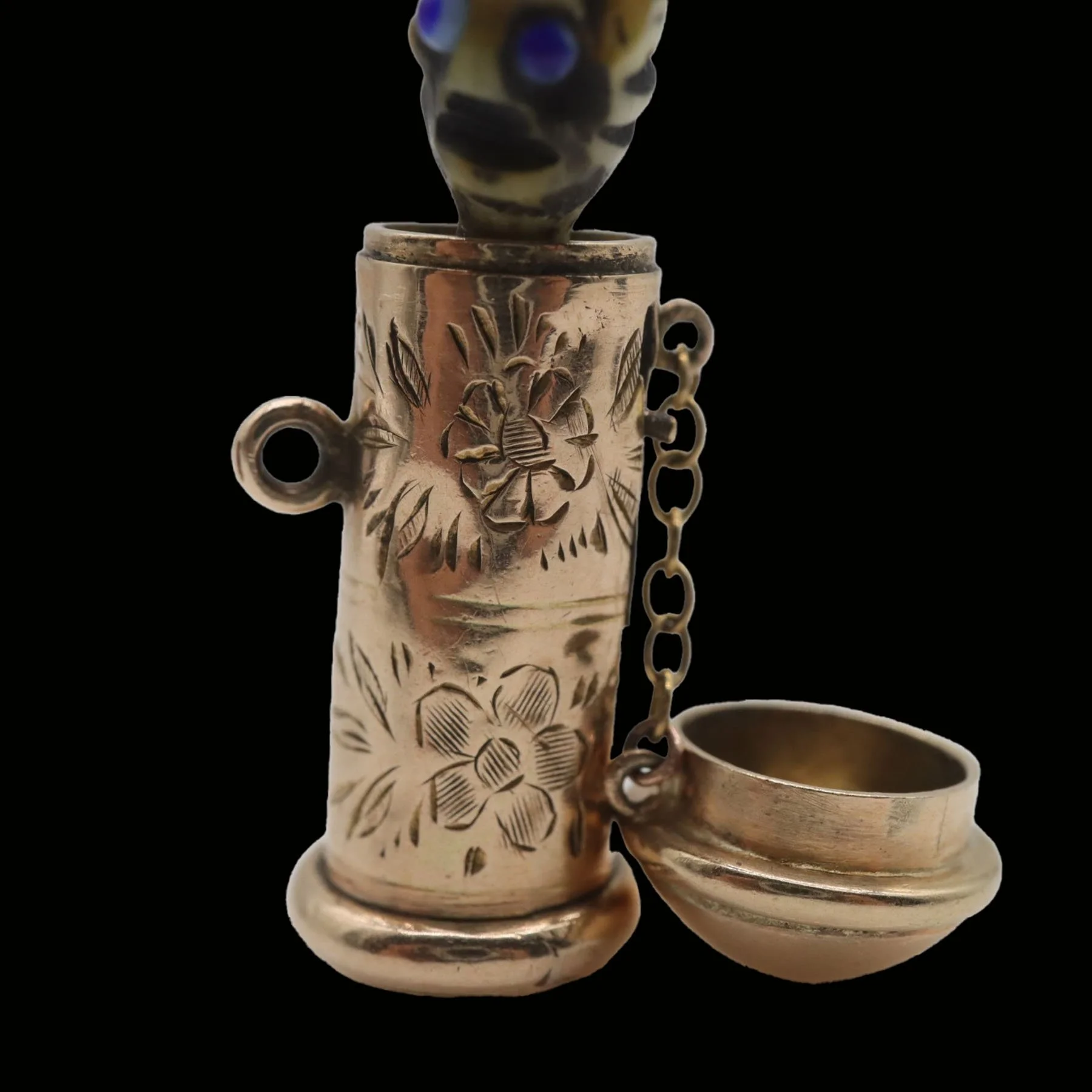
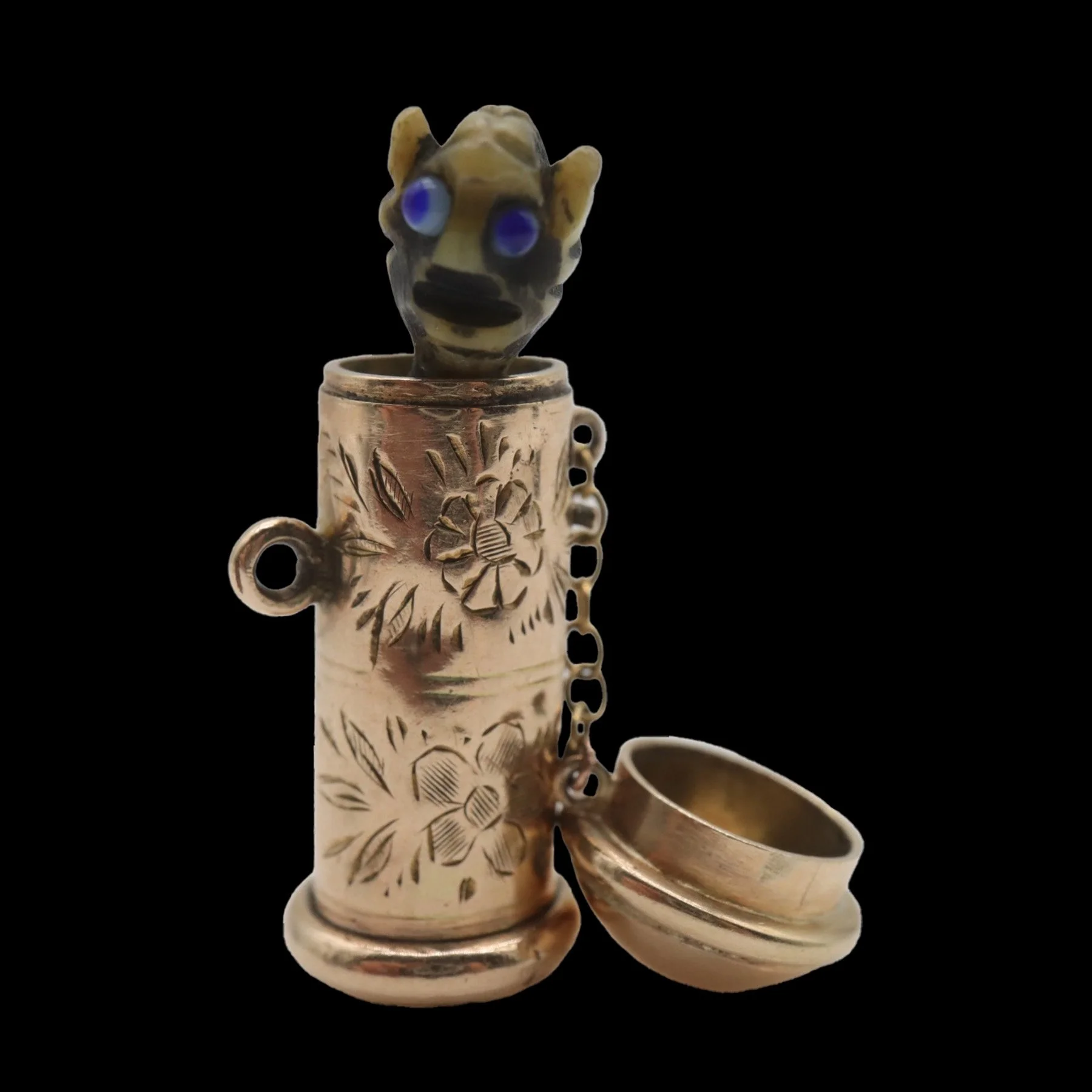
This ingenious late Victorian novelty pendant demonstrates the remarkable inventiveness of turn-of-the-century goldsmiths. Crafted in solid 9-carat gold, the cylindrical case is beautifully engraved with hand-cut floral decoration and conceals an unexpected surprise—a spring-loaded devil that dramatically emerges when the concealed side mechanism is released.
The devil's expressive face, with vivid blue glass eyes, rises suddenly from the cylinder, transforming an elegant gold pendant into an amusing mechanical automaton. The hinged lid remains attached by its original keeper chain, preventing loss while enhancing the pendant's refined engineering.
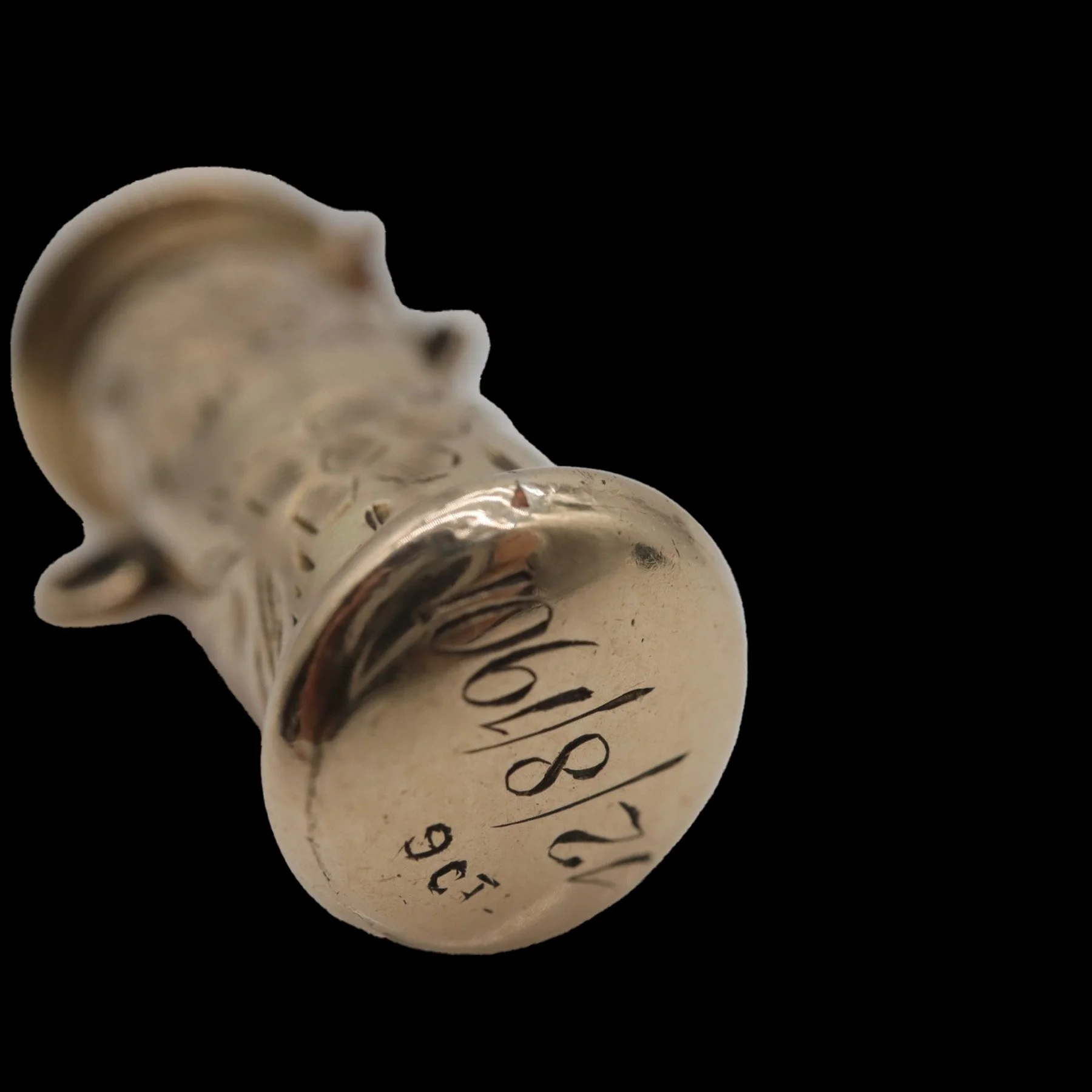
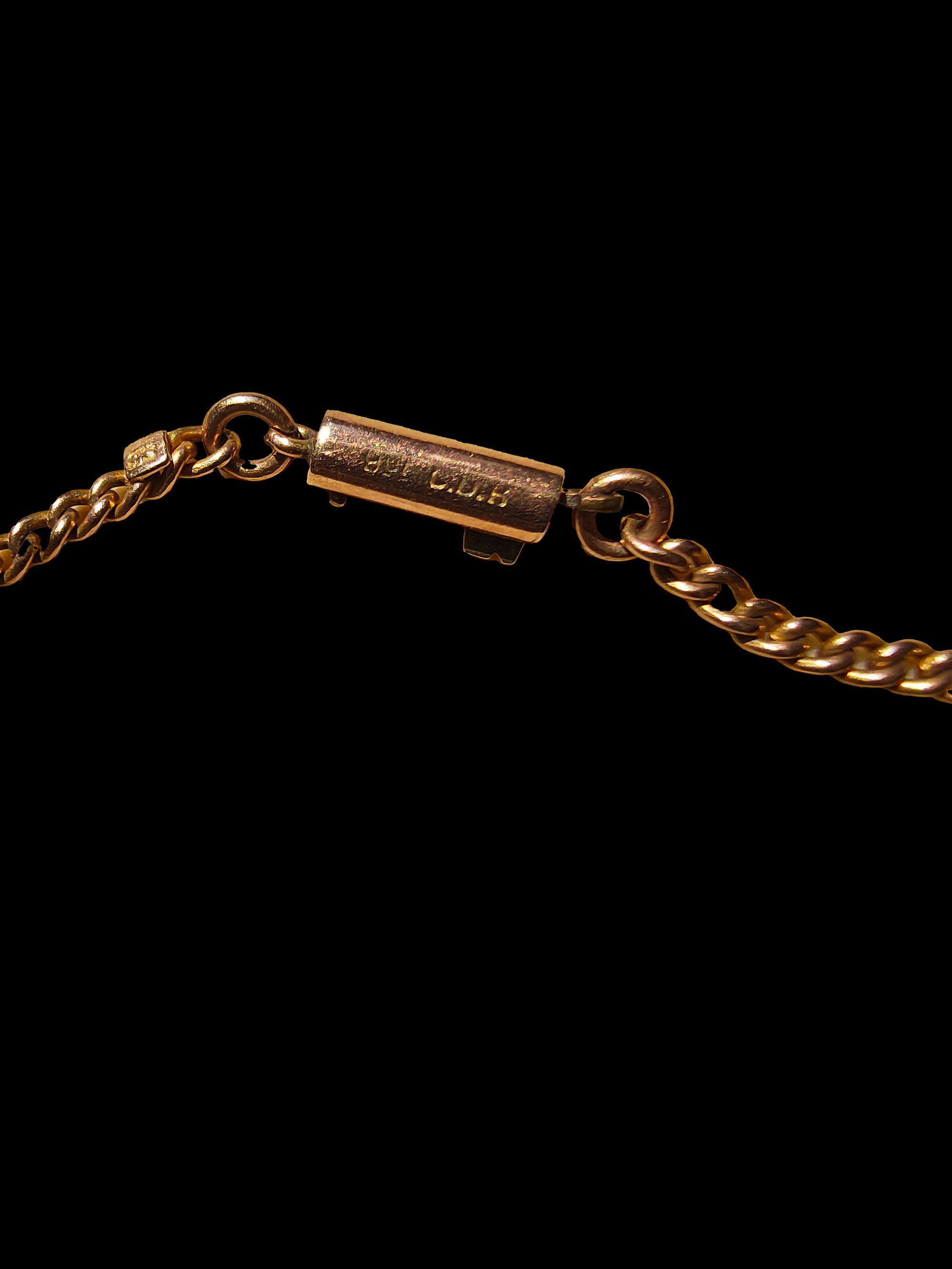
The base is inscribed with the date 8 December 1901, while British hallmarks confirm 9-carat gold (375) together with the maker's mark. Such dated novelty pieces often commemorated birthdays, Christmas gifts, or special occasions, making them highly personal possessions.
Mechanical "surprise" jewelry occupied a unique place in late Victorian fashion. While lockets concealed portraits and vinaigrettes hid perfume, novelty charms delighted through movement and illusion. Their concealed mechanisms reflected the Victorian appetite for automata, magic tricks, puzzles, and theatrical entertainment.
The devil itself carried layered symbolism. Although capable of representing temptation or mischief, within novelty jewelry it more commonly embodied playful humor, daring wit, and the unexpected. Rather than frightening, these miniature devils served as conversation pieces, their sudden appearance provoking laughter and surprise among friends.
Combining fine goldsmithing with precision mechanical design, this rare pendant represents one of the most imaginative forms of Victorian novelty jewelry.