 Image 1 of 4
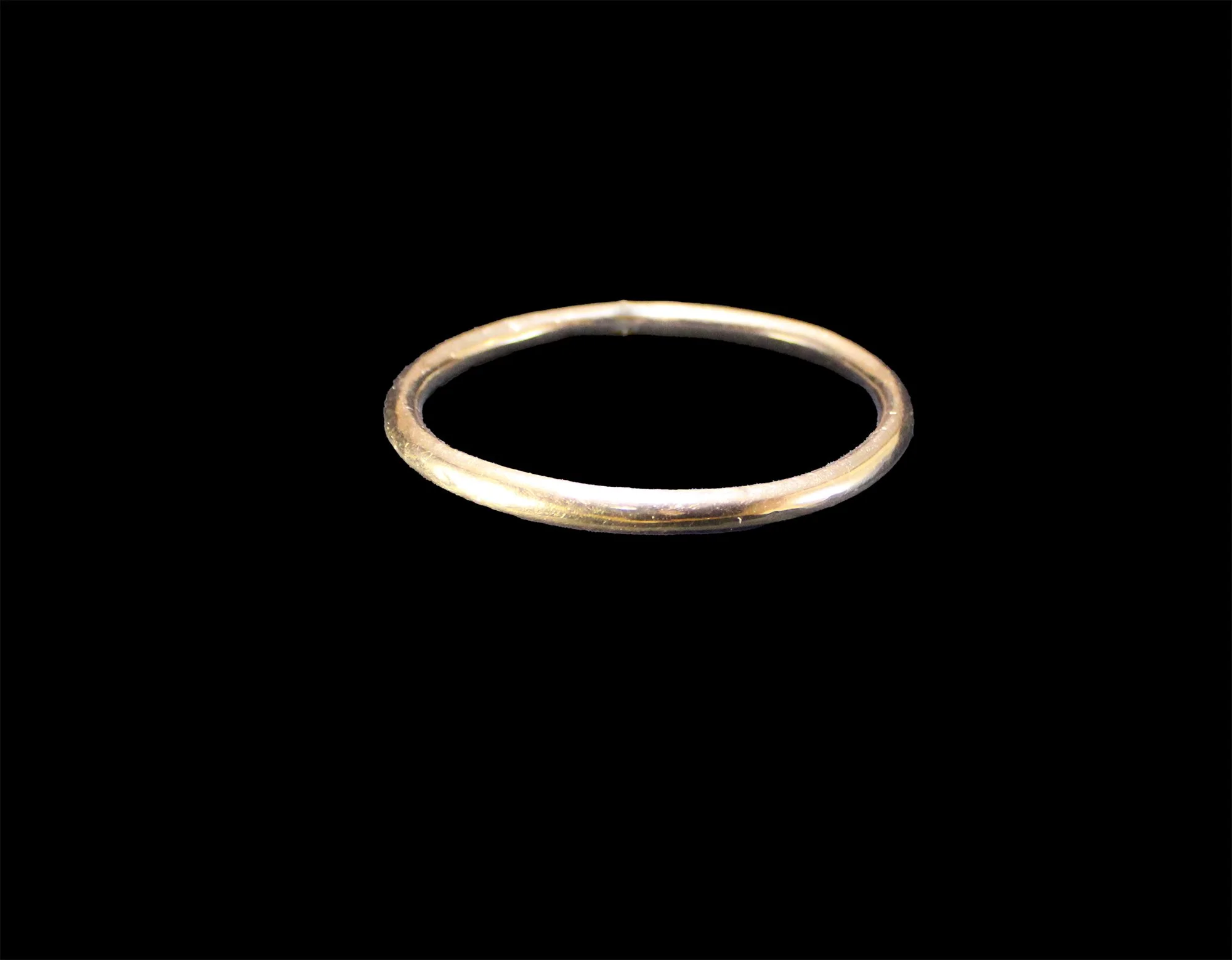 Image 2 of 4
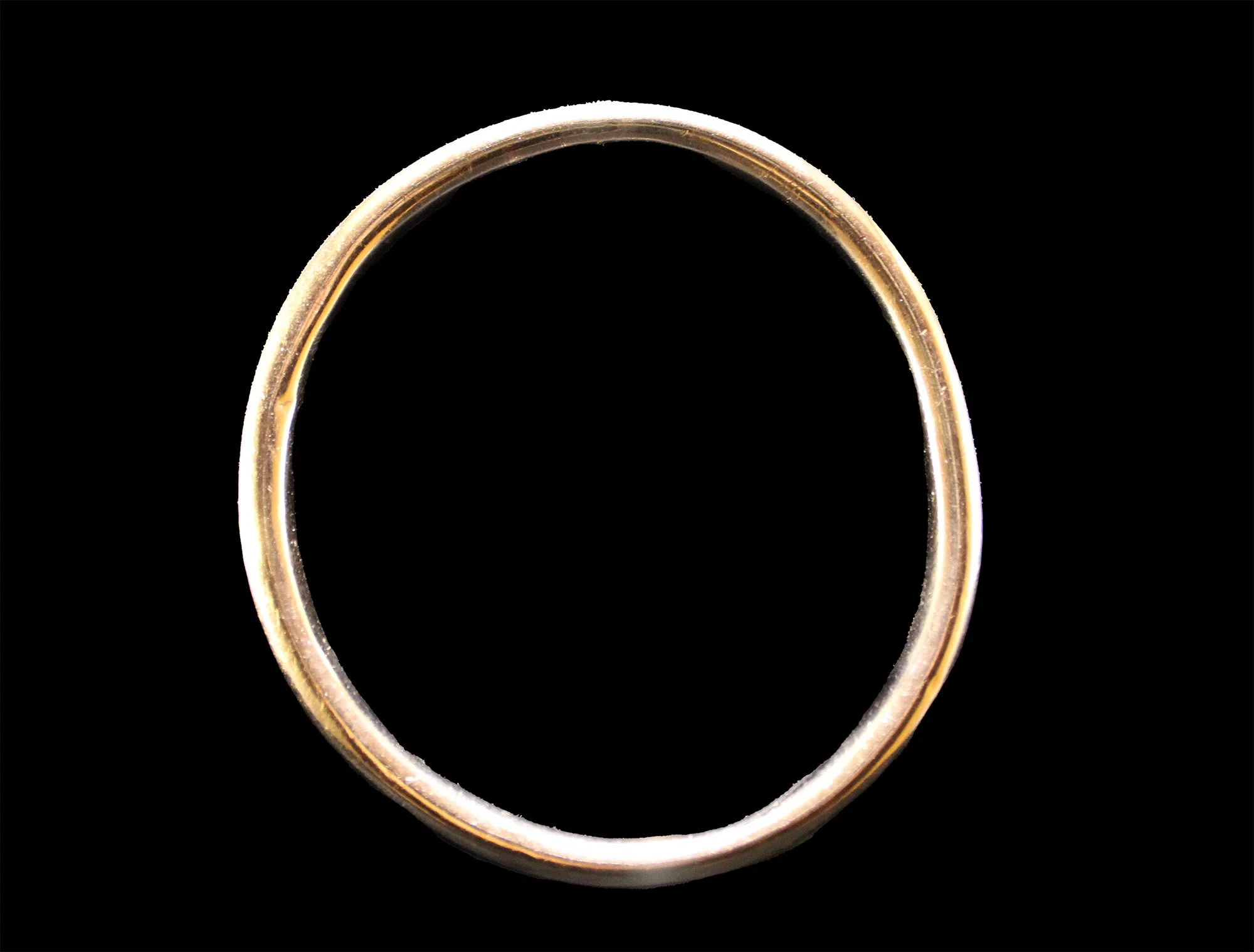 Image 3 of 4
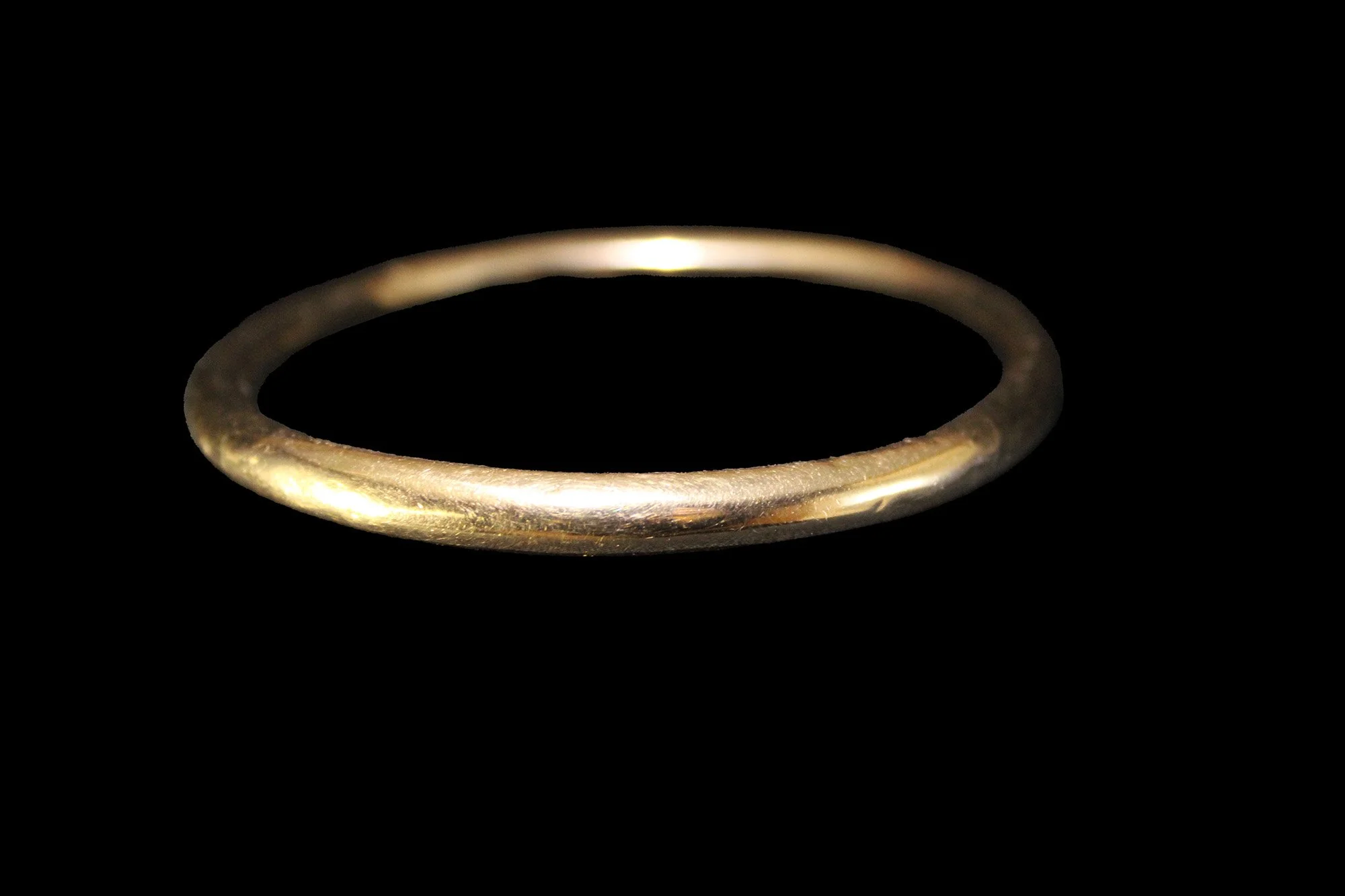 Image 4 of 4
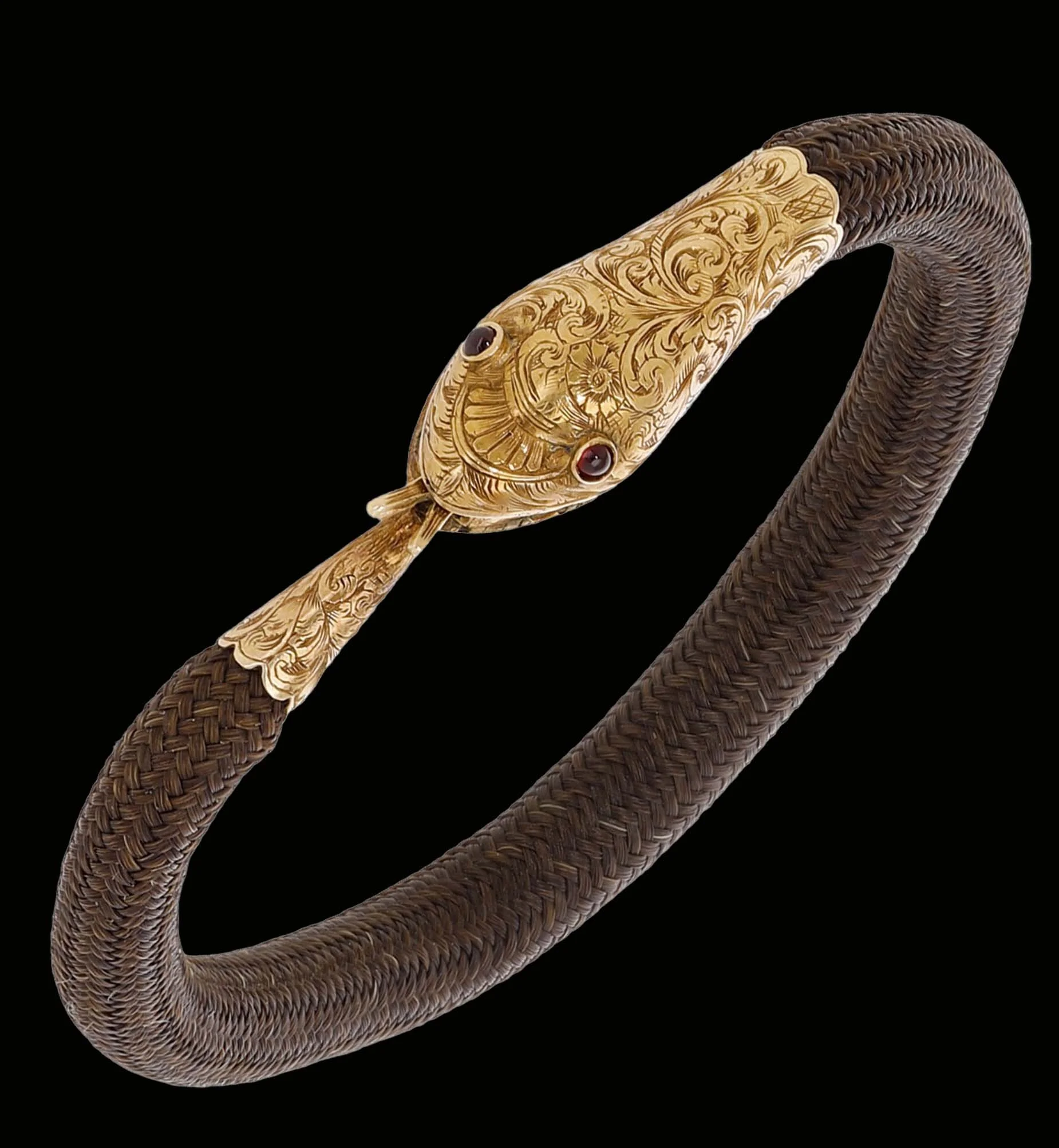
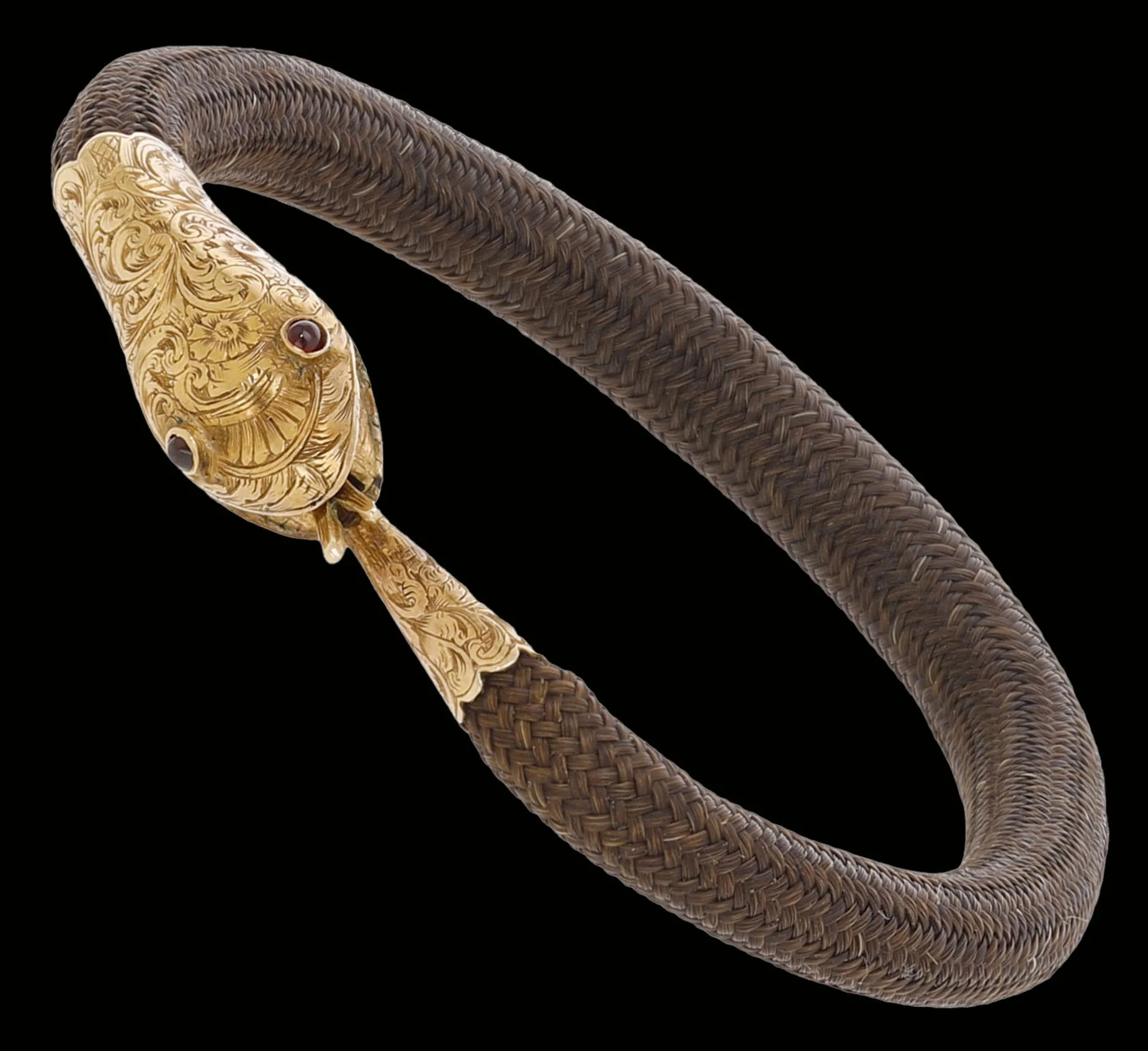
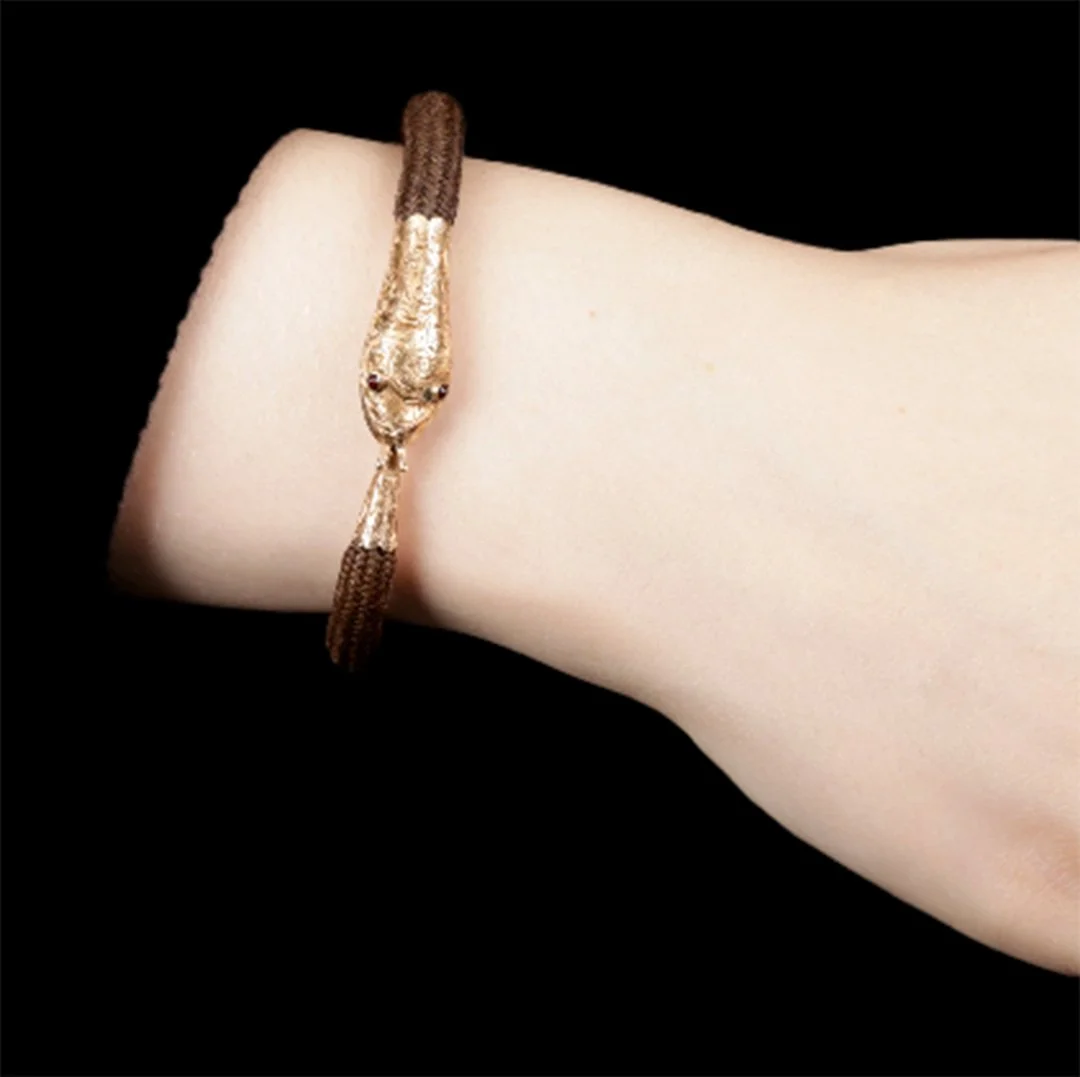
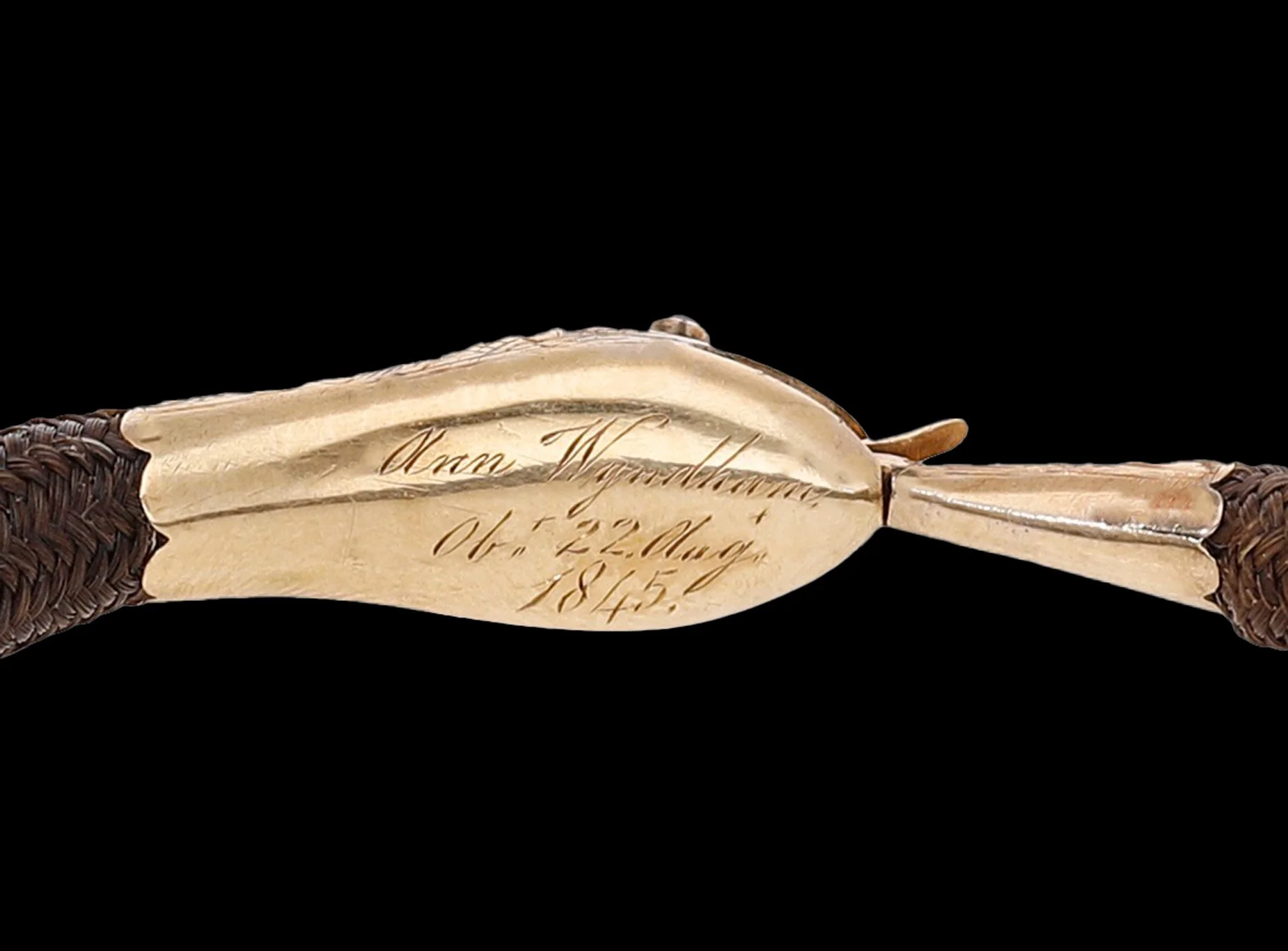
Victorian or Edwardian Gold Armillae (Upper-Arm Bangle)
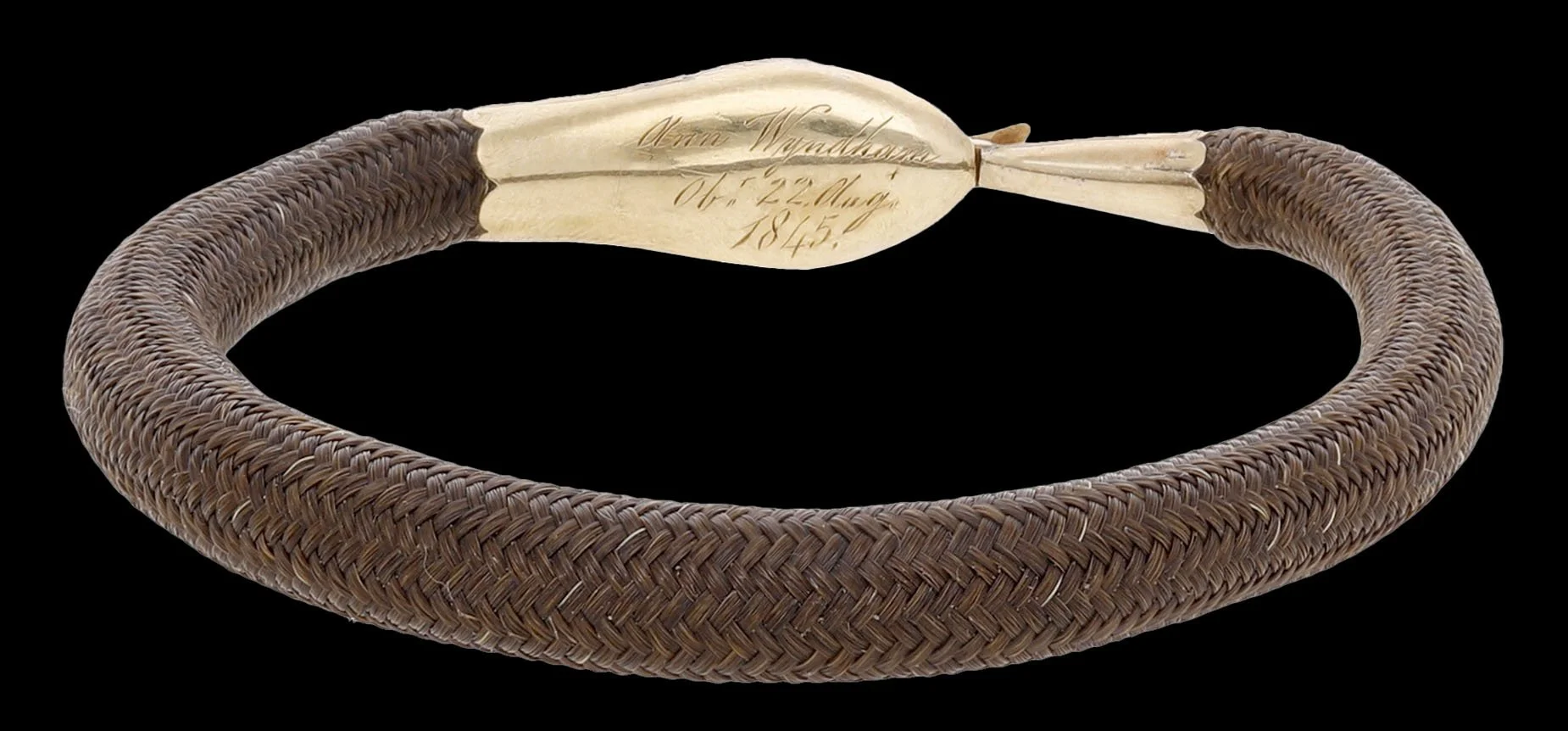
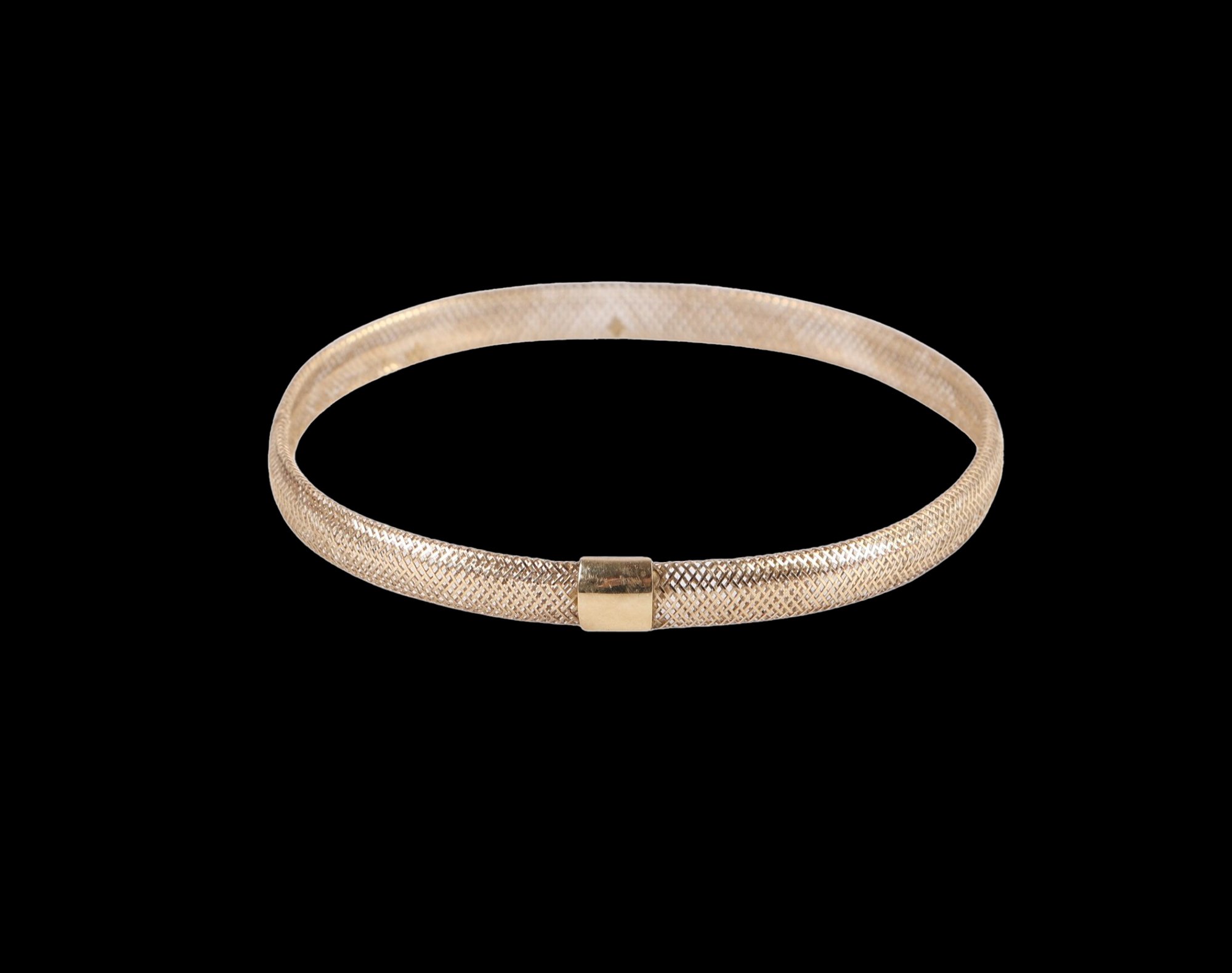
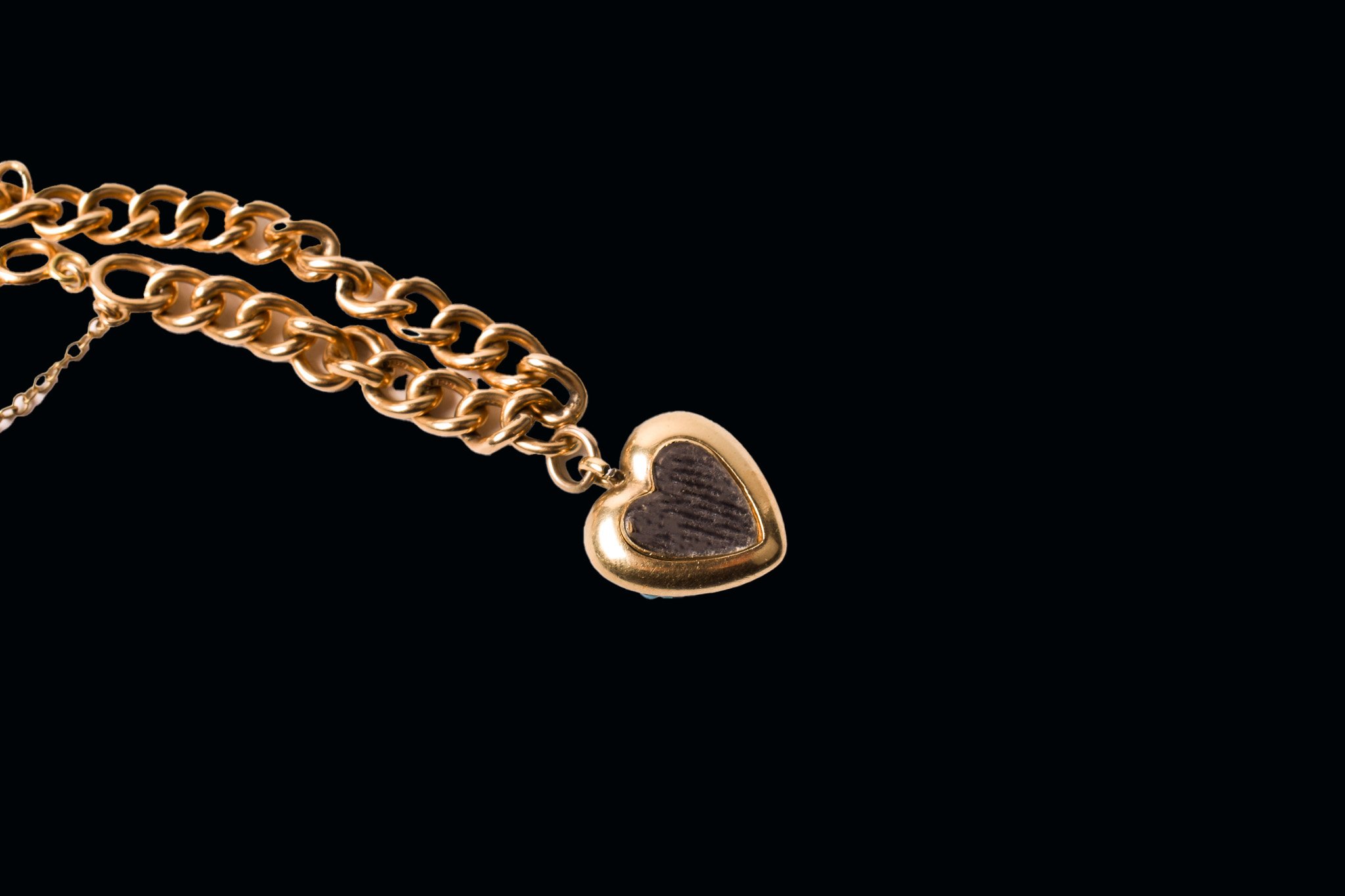
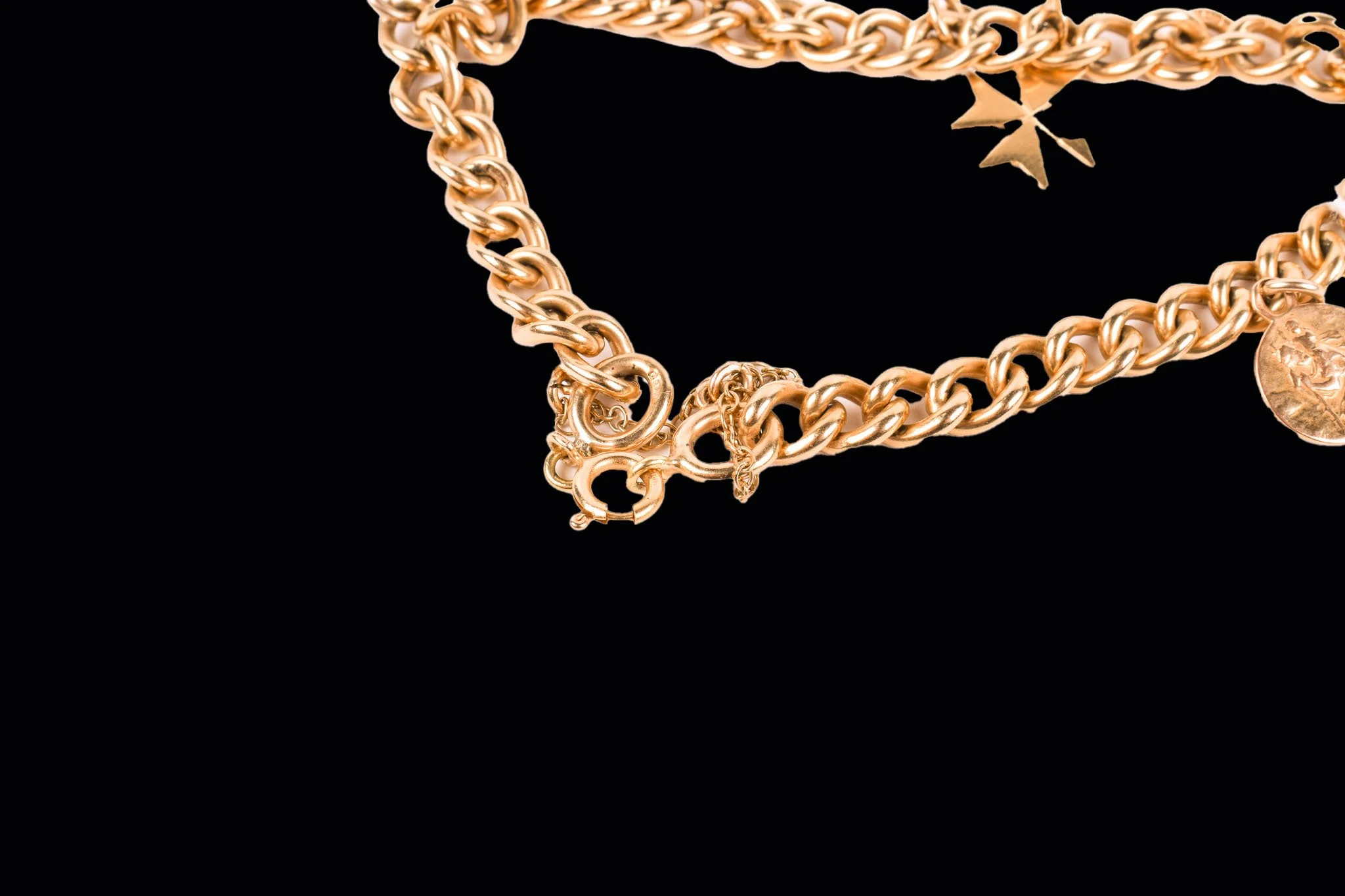
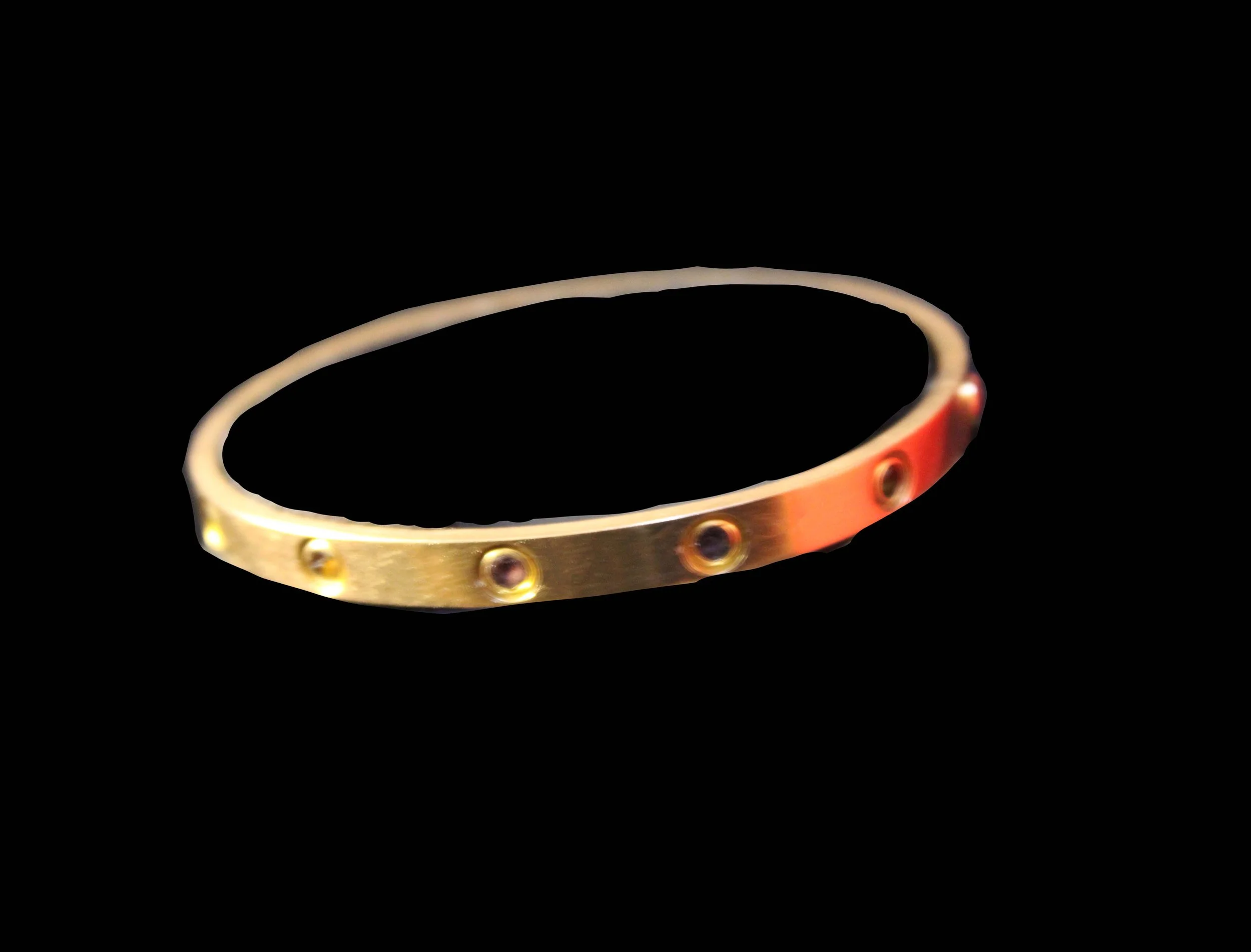
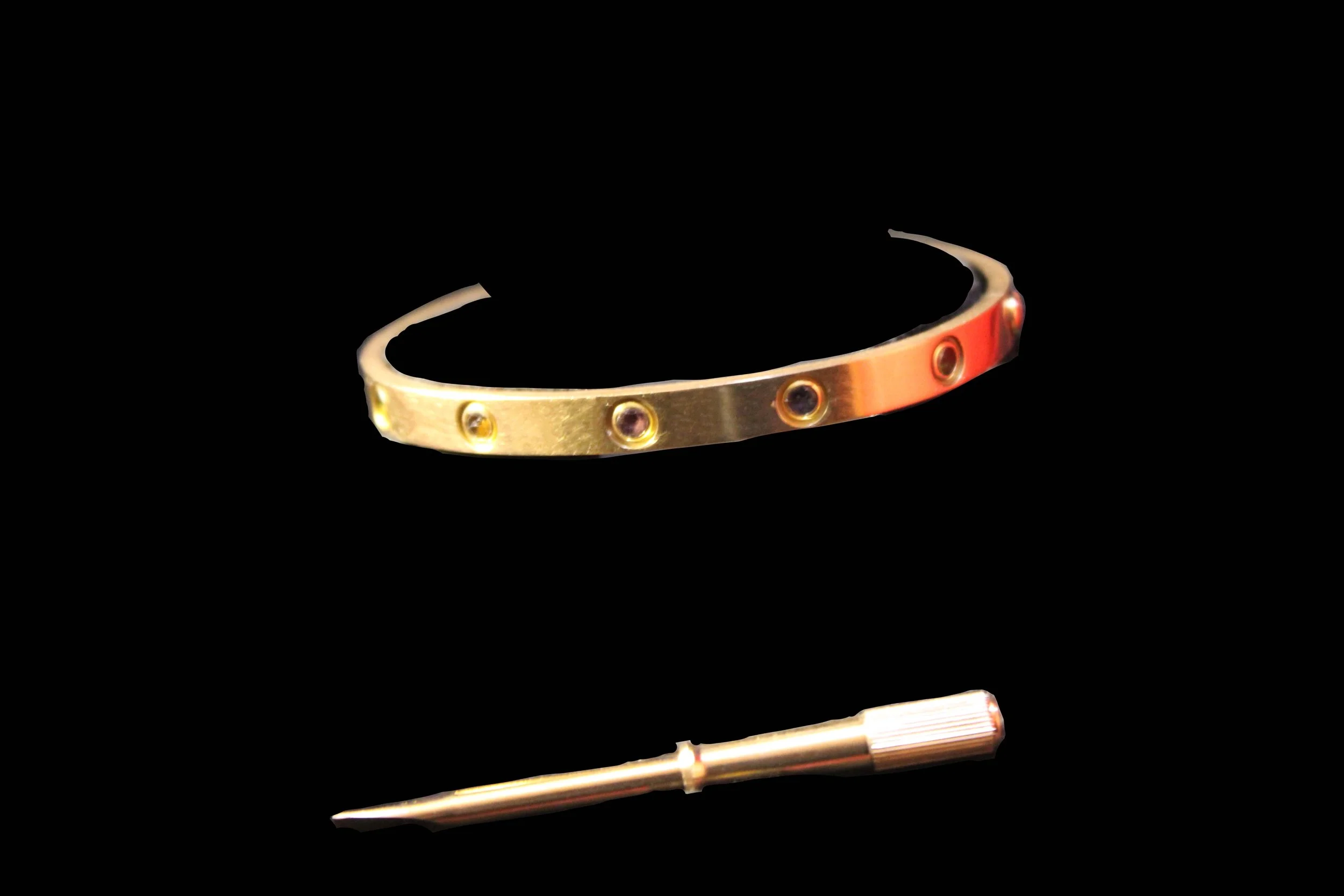
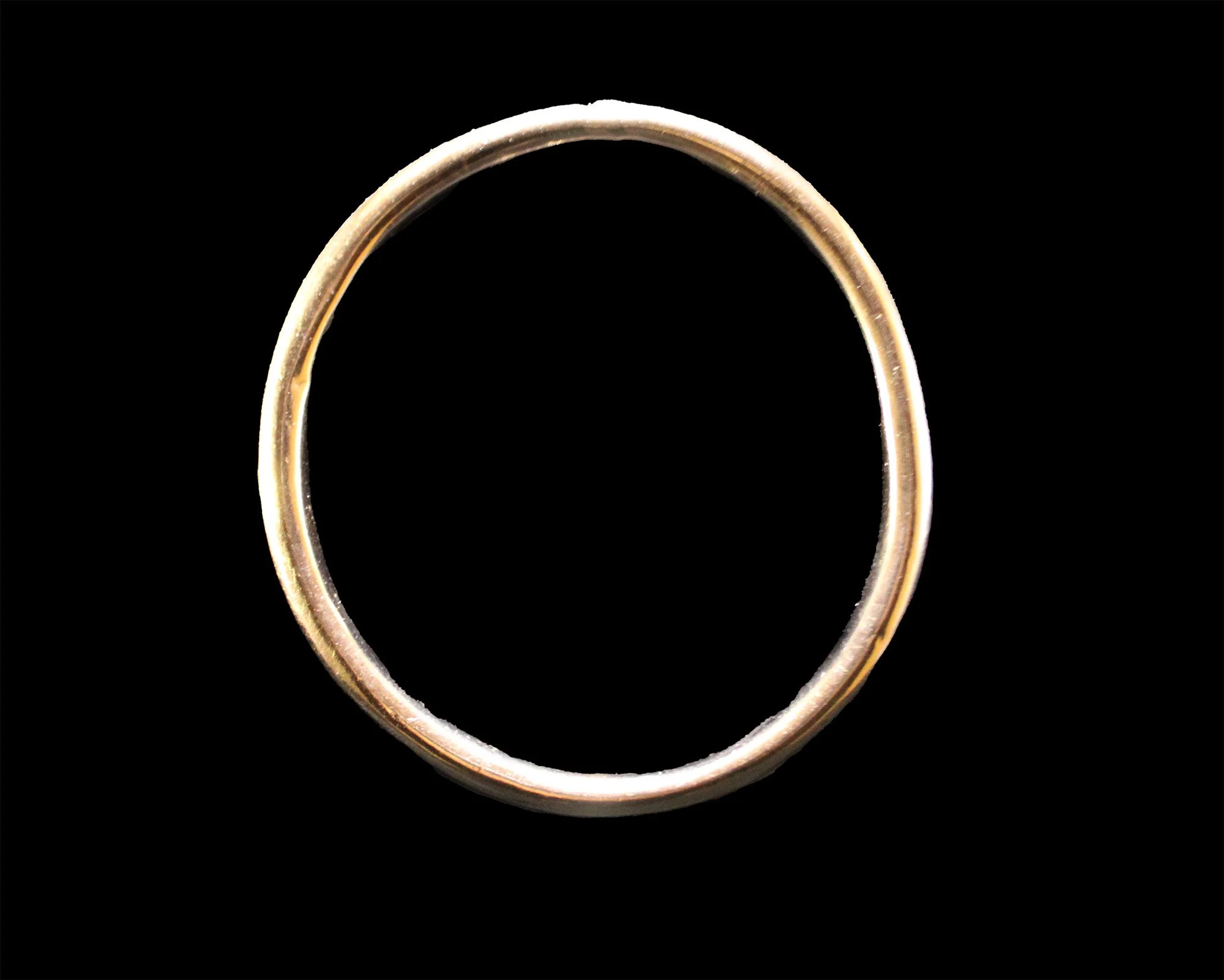
This elegant gold band is a refined example of the armlet, a form of jewelry designed to encircle the upper arm or bicep rather than the wrist. Armlets are among the oldest forms of personal adornment, appearing in ancient civilizations from Persia to Rome, where they were worn as symbols of beauty, honor, and status.
By the nineteenth century, the form experienced a revival in European fashion. During the Victorian (1837–1901) and early Edwardian periods, slender gold armlets such as this were worn with evening dress and classical-inspired gowns that revealed the shoulders and upper arms. The revival was influenced by the Neoclassical fascination with ancient Greek and Roman dress, in which women were often depicted wearing delicate arm bands above the elbow.
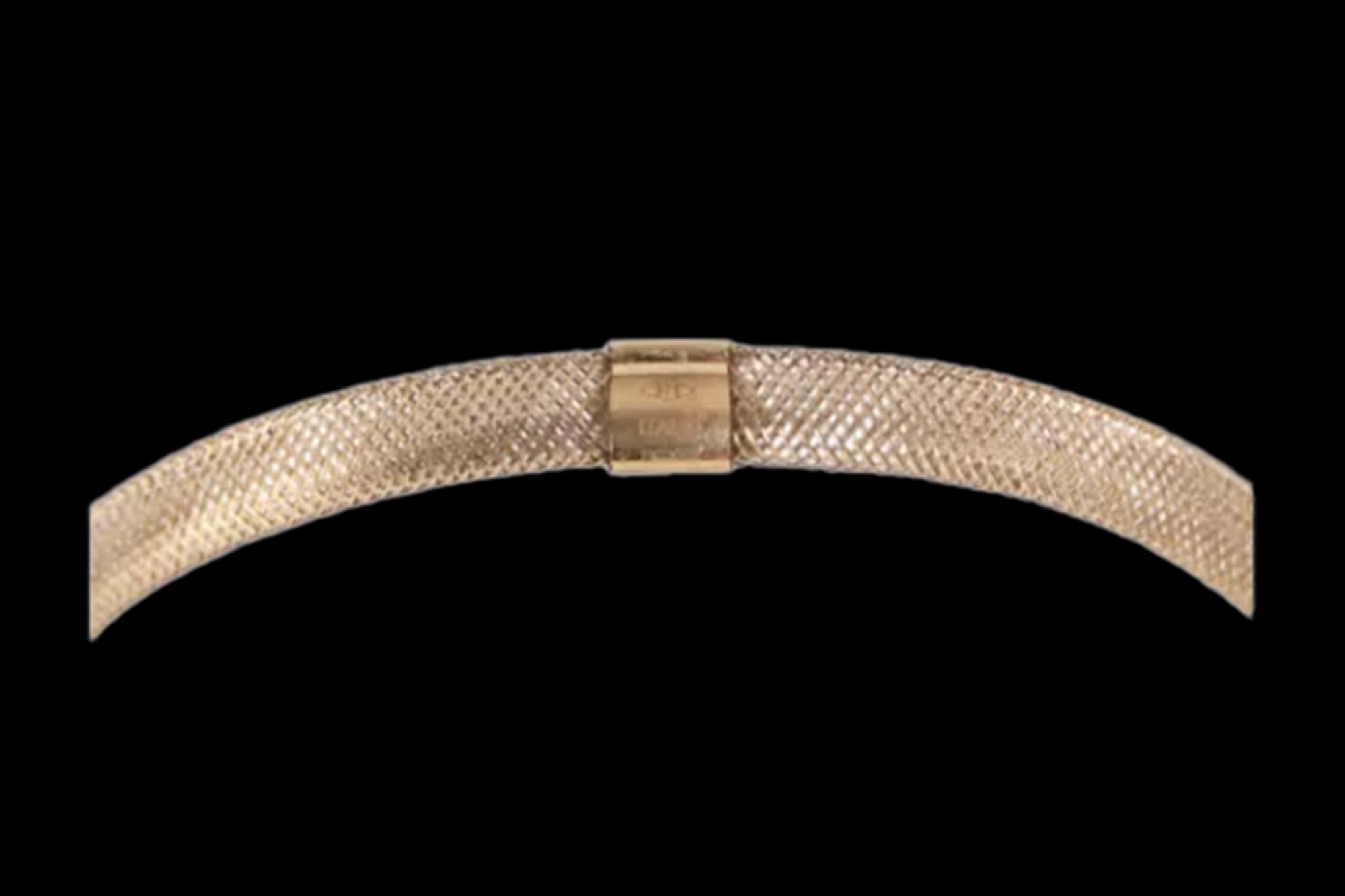
Unlike elaborate gemstone-set examples, the present piece embodies a minimalist aesthetic typical of late-Victorian goldwork. The continuous circular form emphasizes the natural curve of the arm, allowing the warm color of polished gold to provide the ornamentation. Such restrained pieces were frequently worn in pairs on both arms, or stacked with additional bangles for evening wear.
Symbolism and Cultural Meaning
Armlets historically carried layers of symbolism across cultures:
• Adornment of the heroic body – In ancient societies, arm rings were worn by warriors and nobles as signs of honor or achievement.
• Classical beauty – In nineteenth-century fashion, armlets evoked the idealized figures of antiquity.
• Romantic ornament – Victorian jewelry often emphasized sentiment and bodily adornment as expressions of femininity and refinement.
Because they required garments with short sleeves or bare shoulders, armlets were typically reserved for evening, ball, or theatrical dress, making them intimate accessories associated with social display and elegance.
Historical Context
By the late nineteenth century, jewelry fashions expanded dramatically as industrial production made gold ornaments more accessible. Bracelets and bangles were particularly popular, ranging from ornate gem-set pieces to understated gold bands like this example.
Plain armlets were especially versatile: they could be worn alone for classical simplicity or combined with elaborate Victorian jewels to create layered ensembles that reflected the wearer’s personal taste.
Object Significance
Today, surviving Victorian armlets are comparatively uncommon, as many were melted down for their gold or reshaped into modern bracelets. Pieces that remain provide a glimpse into the nineteenth-century fascination with classical form and the art of adorning the human body itself.
Simple yet sculptural, this gold armlet reflects a tradition of ornament stretching from antiquity to the elegant salons of the Victorian world—where jewelry was not merely decoration, but an expression of beauty, history, and identity.